
Mexico Cruise Passenger Fee Increases to $10 per Person in August 2026
Mexico is doubling its federal cruise head tax for foreign passengers to $10 on August 1, 2026, as part of a phased revenue increase targeting short-stay visitors.

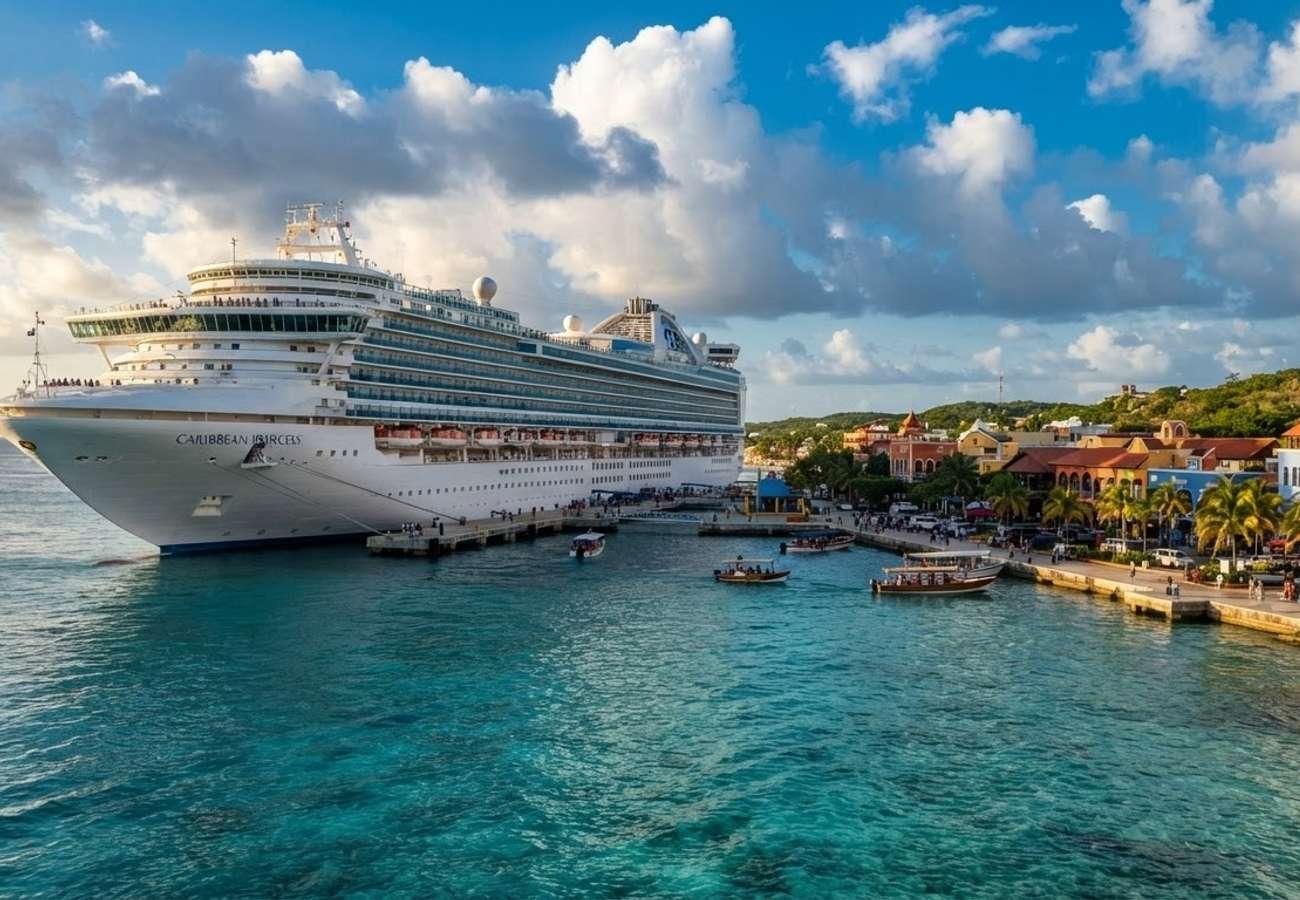
Image generated by AI
Mexico’s federal head tax for foreign cruise passengers will double from $5 to $10 per person effective August 1, 2026. This adjustment is part of a pre-approved multi-year escalation designed to fund port infrastructure and environmental management.
The increase is not a new legislative act but the second phase of a structured rollout. Historically, cruise passengers were classified as "in transit" and exempt from the general non-resident tourist duty. A compromise reached between the Mexican government and cruise industry stakeholders ended this exemption in mid-2025 with an initial $5 fee.
The current $10 charge follows a significant pushback from the industry against an original proposal for a $42 per passenger levy, which stakeholders argued would have crippled Mexico's competitiveness against other Caribbean destinations.
Federal Tax Escalation Schedule
The Mexican government has established a clear trajectory for these fees to ensure predictability for cruise operators and travelers. The fee is assessed once per sailing, regardless of how many Mexican ports are visited during the itinerary.
| Effective Date | Fee per Passenger | Status |
|---|---|---|
| July 2025 – July 2026 | $5 | Completed/Current |
| August 1, 2026 | $10 | Upcoming |
| 2027 | $15 | Scheduled |
| 2028 | $21 | Scheduled |
Logistical Impact on Cruise Fares
For the end consumer, this tax is rarely listed as a standalone "Cruise Tax." Instead, cruise lines bundle the federal head tax into broader categories:
- Taxes, Fees, and Port Expenses
- Local Port Authority Charges
- Harbor Pilotage and Security Fees
- Environmental Levies
From a budgetary standpoint, the August 1, 2026, increase results in a mandatory $10 addition for a couple or $20 for a family of four compared to sailings departing before the cutoff date.
Port Distribution and Revenue Allocation
Data from Mexico’s Datatur platform confirms that the majority of cruise arrivals are concentrated in Caribbean ports, specifically Cozumel and Mahahual. Pacific gateways, including Cabo San Lucas, Mazatlán, and Puerto Vallarta, also maintain high volumes.
The federal government intends to use this revenue for:
- Infrastructure: Expanding berthing capacity and dredging.
- Security: Upgrading passenger terminals and port security.
- Environment: Supporting coastal conservation and monitoring air/water quality.
While official notices link the funds to the Federal Rights Law, some local stakeholders have expressed concerns regarding whether the revenue will reach front-line port communities or be absorbed into general federal coffers.
Why This Matters: Industry Analysis
From a logistical perspective, this phased increase is a strategic move by Mexico to monetize "low-impact" visitors. Land-based tourists contribute significantly more through hotel taxes and direct spending; cruise passengers, who often spend only a few hours ashore, have historically bypassed these contributions.
For travelers on these routes, the real impact is not the $5 increase itself, but the trend of "fee creep." When combined with rising automatic gratuities, onboard service fees, and regional tourism taxes, the all-in cost of a Caribbean cruise is rising even when base fares remain stagnant.
Our analysis of the route map suggests that Mexico is unlikely to see a mass exodus of ships. The $10 fee remains competitive compared to combined port costs in other Caribbean jurisdictions. However, as the fee climbs toward $21 by 2028, cruise lines will likely re-evaluate the cost-benefit ratio of multi-port Mexican itineraries versus single-stop alternatives.
Forward Outlook
Passengers booking itineraries for late 2026 should scrutinize the "Taxes and Fees" section of their invoices. Because some cruise lines apply tax increases based on the booking date rather than the sailing date, travelers may see variations in pricing.
The industry should expect continued pressure on port authorities to demonstrate transparency in how these funds are spent. If the promised infrastructure upgrades—specifically in berthing and environmental waste management—do not materialize, the industry may lobby for a freeze on the 2027 and 2028 increases.
Cruise passengers should factor these mandatory government levies into early budgeting to avoid surprises at final payment.
Related Travel Guides
Disclaimer
This article is for informational and educational purposes only. It does not constitute legal, financial, or professional advice. While we strive to provide accurate and up-to-date information, travel policies, regulations, and conditions change rapidly. Always verify information with official sources before making travel decisions. Nomad Lawyer makes no representations about the accuracy, reliability, completeness, or suitability of the information provided. Readers should consult qualified professionals for advice specific to their circumstances. The views expressed in this article are those of the author and do not necessarily reflect the views of Nomad Lawyer.
Preeti Gunjan
Contributor & Community Manager
A passionate traveller and community builder. Preeti helps grow the Nomad Lawyer community, fostering engagement and bringing the reader experience to life.
Learn more about our team →