
125-KM Rishikesh-Karnaprayag Railway Targets 2029 Opening With June 2028 Shivpuri Trial Run
The 125 km Rishikesh-Karnaprayag railway project in Uttarakhand targets full completion by 2029, featuring a June 2028 trial run on the Shivpuri-Byasi line.

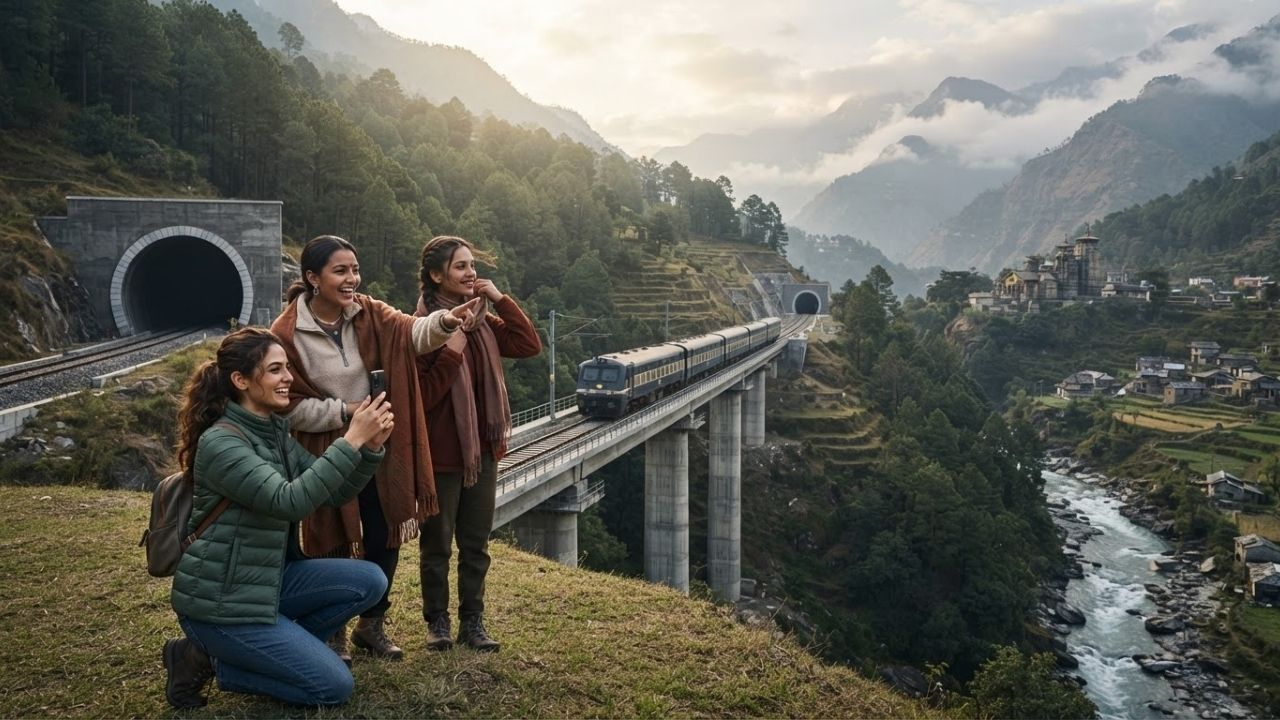
Image generated by AI
The 125-kilometer Rishikesh-Karnaprayag mountain railway corridor in Uttarakhand is targeting full operational completion by 2029, with initial trial runs scheduled for June 2028.
[RISHIKESH, India] — Engineering updates from Indian Railways confirm that the 125-kilometer Rishikesh-Karnaprayag rail corridor in Uttarakhand is advancing toward a 2029 completion target. The first trial operation will commence on the Shivpuri-Byasi section in June 2028. Spanning the Garhwal Himalayas, the rail line reduces travel distance between Rishikesh and Karnaprayag from 173 kilometers by road to 125 kilometers by rail, with 85% of the route built underground through 16 tunnels and across 35 bridges.
Mountain Railway Engineering: 85% Underground Tunnel Alignment
Constructing a broad-gauge railway through the young geological formations of the Himalayas required custom tunneling solutions.
Out of the 125-kilometer route, approximately 105 kilometers (85% of the total alignment) is being constructed through underground tunnels and elevated bridge structures.
The engineering design includes 16 tunnels and 35 major and minor bridges. The longest single tunnel spans 14.58 kilometers between Devprayag and Janasu, while shorter connecting tunnels measure 200 meters.
Rishikesh-Karnaprayag Engineering Metrics:
├── Total Corridor Length: 125 Kilometers (vs 173 km highway route)
├── Underground & Elevated Share: 85% (~105 Kilometers in tunnels & bridges)
├── Tunnel Infrastructure: 16 Tunnels (Longest: 14.58 km Devprayag-Janasu)
└── Bridge Infrastructure: 35 Elevated River & Ravine Bridges
| Engineering & Milestone Metric | Project Value / Specification | Strategic Operational Impact |
|---|---|---|
| Total Route Length | 125 Kilometers | Replaces 173 km winding highway route |
| Target Completion Year | 2029 | 10-year mega infrastructure construction window |
| First Trial Run Date | June 2028 | Shivpuri-to-Byasi section operational test |
| Underground Alignment | 85% (~105 km) | Protects track from monsoon landslides & rockfalls |
| Tunnel Count | 16 Tunnels | Includes escape tunnels & evacuation passages |
| Longest Tunnel Segment | 14.58 Kilometers | Devprayag-to-Janasu mountain tunnel |
| Shortest Tunnel Segment | ~200 Meters | Connecting ridge pass tunnel |
| Bridge Count | 35 Bridges | Spans Alaknanda River & mountain gorges |
| New Railway Stations | 12 Stations | New passenger & freight hubs in Garhwal |
Transforming Char Dham Pilgrimage Travel to Kedarnath and Badrinath
The rail corridor will transform pilgrimage transport across Uttarakhand, which receives millions of visitors annually heading to the Char Dham shrines.
Currently, pilgrims rely on long road journeys subject to landslide closures during the monsoon season.
The railway will provide direct transit into the Garhwal interior, connecting pilgrims traveling toward Kedarnath and Badrinath. The 12 new stations will support local hospitality, homestays, and tour services.
Pilgrimage & Tourism Connectivity:
├── Primary Shrines Served: Kedarnath & Badrinath (Char Dham Pilgrimage Circuit)
├── Legacy Transit Disruption: 173 km mountain roads subject to monsoon landslides
└── New Rail Network Advantage: All-weather direct transit to 12 interior Garhwal stations
12 New Stations Opening Regional Economic Hubs
The project includes constructing 12 new railway stations along the mountain corridor.
These stations will serve as transport hubs for interior mountain districts, enabling local farmers and small businesses to transport goods to lowland markets.
By providing reliable year-round transport, the rail network reduces regional economic isolation caused by seasonal road closures.
Garhwal Economic & Station Network:
├── Infrastructure Scale: 12 new railway stations built along the 125 km line
├── Economic Function: Year-round agricultural freight & passenger transit
└── Community Impact: Eliminates seasonal isolation caused by mountain road washouts
Strategic Border Logistics Toward the India-Tibet Frontier
Beyond tourism, the Rishikesh-Karnaprayag line serves a strategic role in national logistics.
Karnaprayag acts as a railhead positioned toward the India-Tibet-China border zone in northern Uttarakhand.
The broad-gauge line will enable efficient transport of supplies, equipment, and security personnel into remote border regions, supporting military logistics and civilian administration.
Strategic Border Logistics Capability:
├── Railhead Position: Karnaprayag gateway toward India-Tibet-China border
├── Supply Capability: All-weather rail transport for heavy equipment & supplies
└── Defense Integration: Enhanced broad-gauge mobility across border districts
Frequently Asked Questions (FAQ)
Q1: When will the Rishikesh-Karnaprayag railway project be fully completed?
A: The project targets full operational completion by 2029, with the first trial run scheduled for June 2028 between Shivpuri and Byasi.
Q2: How much of the railway line passes through tunnels?
A: Approximately 85% of the 125 km alignment (about 105 km) is built inside 16 tunnels and across 35 bridges.
Q3: What is the longest tunnel on the Rishikesh-Karnaprayag route?
A: The longest tunnel measures 14.58 kilometers between Devprayag and Janasu.
Why This Matters for Pilgrims, Engineers, and Defense Logistics
Analyzing the Rishikesh-Karnaprayag railway project highlights key infrastructure developments:
- For Pilgrims and Travelers: All-weather rail travel cuts transit times to Kedarnath and Badrinath while bypassing landslide-prone highways.
- For Railway Engineers: Tunneling 105 kilometers through Himalayan geology demonstrates advanced mountain rail engineering.
- For National Defense Logistics: Extending broad-gauge rail to Karnaprayag strengthens supply lines toward the northern border.
Related Travel Guides
Disclaimer
This article is for informational and educational purposes only. It does not constitute legal, financial, or professional advice. While we strive to provide accurate and up-to-date information, travel policies, regulations, and conditions change rapidly. Always verify information with official sources before making travel decisions. Nomad Lawyer makes no representations about the accuracy, reliability, completeness, or suitability of the information provided. Readers should consult qualified professionals for advice specific to their circumstances. The views expressed in this article are those of the author and do not necessarily reflect the views of Nomad Lawyer.
Raushan Kumar
Founder & Lead Developer
Full-stack developer with 11+ years of experience and a passionate traveller. Raushan built Nomad Lawyer from the ground up with a vision to create the best travel and law experience on the web.
Learn more about our team →