
Mexico Harmonizes Mexico City, Guadalajara, Monterrey, Veracruz, and Los Cabos to Transform Mountainous Tourism in 2026
Mexico is executing a strategic tourism shift in 2026, integrating major urban hubs and coastal resorts to diversify travel patterns and boost sustainable regional investment.

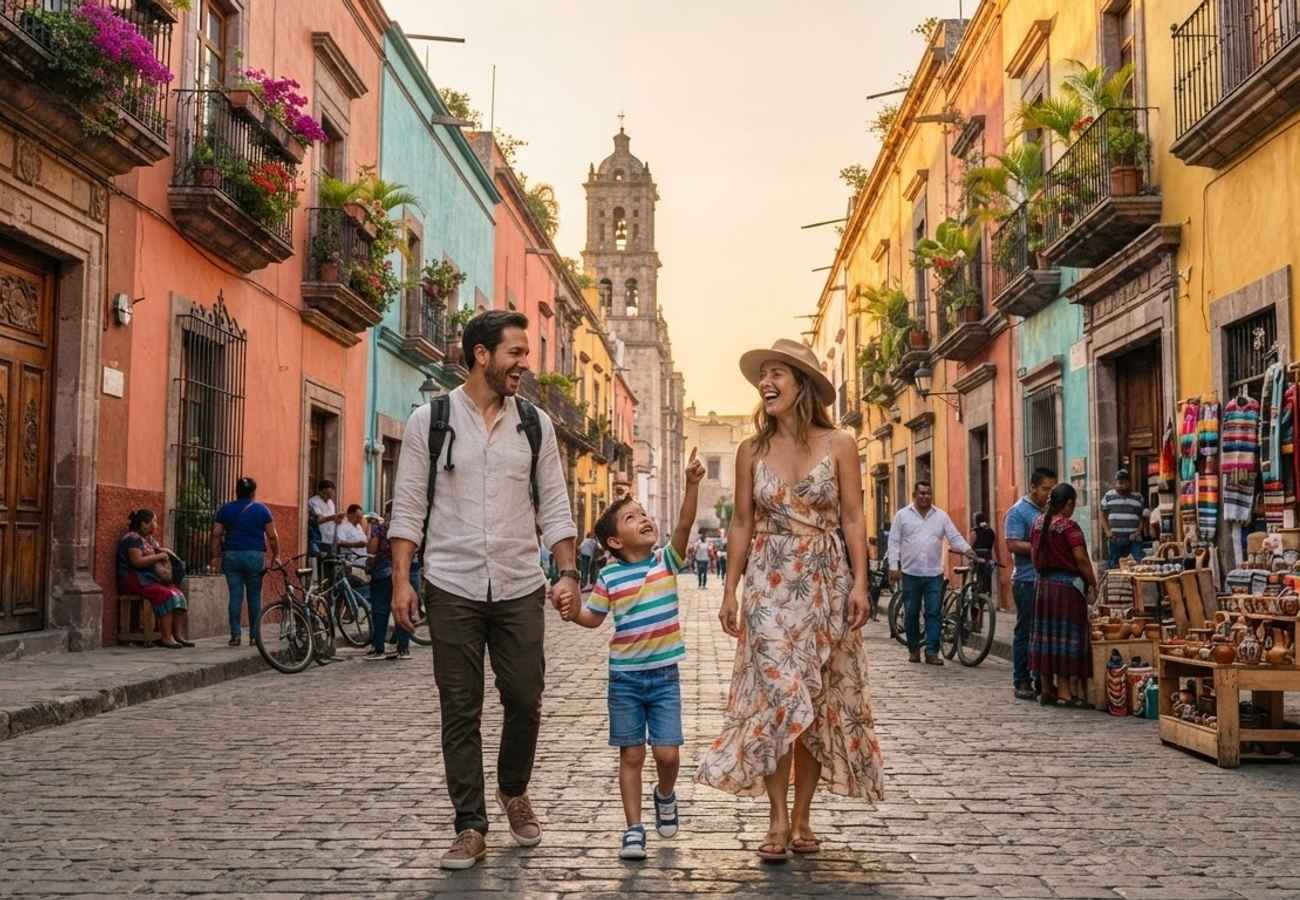
Image generated by AI
Mexico is moving away from single-destination reliance, integrating its major urban centers and coastal escapes into a unified, diversified tourism powerhouse for 2026.
The Local Trend Revealed
As of July 2026, Mexico has entered a sophisticated phase of tourism evolution. Rather than focusing solely on the Caribbean coast, the national strategy is now "harmonizing" a network of diverse hubs: Mexico City, Guadalajara, Monterrey, Veracruz, and Los Cabos. This shift aims to distribute economic benefits more equitably across the country while offering international travelers a multi-regional itinerary.
The momentum is fueled by a combination of legacy infrastructure from the FIFA World Cup—specifically in Mexico City, Guadalajara, and Monterrey—and fresh government-backed projects in Veracruz, Nayarit, and Acapulco. This is no longer just about sun and sand; it is a calculated move to blend high-end luxury hospitality with deep cultural immersion and business-centric urban growth.
In Mexico City, the focus has shifted toward extending the average length of stay. By leveraging the global visibility gained from major sporting events, the capital is promoting its historic neighborhoods and gastronomy to convert short-term visitors into long-term explorers. Similarly, Guadalajara is pivoting to showcase Jalisco’s identity—mariachi and tequila culture—through year-round festivals rather than isolated peak-season events.
Cultural & Environmental Value
The 2026 transformation is heavily anchored in sustainability and regional empowerment. In Veracruz, the government is implementing sustainable tourism infrastructure designed to protect the state's natural heritage while increasing local employment in hospitality and transport.
Nayarit is leading the charge in responsible coastal development. By steering investment toward smaller communities beyond the established Riviera Nayarit resorts, the state is preventing "tourism saturation" and ensuring that marine ecosystems remain intact. This model supports the local economy directly, allowing indigenous communities and small-scale operators to benefit from the influx of nature-based travelers.
Meanwhile, in the luxury sectors of Cancún and the Riviera Maya, there is a visible shift toward "green luxury." New resort developments are integrating energy-efficient systems and reducing environmental footprints to meet the demands of the modern, eco-conscious traveler.
Visitor Insider Tips
For those navigating this newly integrated network, a few local nuances can enhance the experience:
- The "Off-Peak" Window: While July is high season, visiting the mountainous regions of Jalisco or the urban centers of Monterrey in late September or October often provides cooler weather and significantly lower hotel rates.
- Cultural Etiquette: When visiting traditional tequila distilleries in Guadalajara or historic sites in Veracruz, remember that "slow travel" is appreciated. Engaging with local artisans rather than rushing through commercial tours is the preferred way to support the community.
- Hidden Gem: In Nayarit, seek out the smaller fishing villages north of the main resort strips for authentic seafood and a glimpse of the coastline before the luxury developments arrive.
- Transport Hack: Use the updated metropolitan transport links in Mexico City to move between the airport and the historic center; these 2026 upgrades have significantly reduced transit times for international arrivals.
Tourism Outlook
The long-term trajectory for Mexico is a move toward "Resilient Tourism." By diversifying the product offering—from the corporate skyline of Monterrey to the recovering beaches of Acapulco—Mexico is insulating its economy against the volatility of any single market.
The continued investment in luxury resorts and public infrastructure suggests that Mexico is positioning itself not just as a vacation spot, but as a comprehensive global travel hub. The integration of these five key regions creates a blueprint for other nations to balance high-volume international tourism with local preservation and sustainable growth.
Mexico is no longer just a destination; it is a curated network of experiences.
Related Travel Guides
Disclaimer
This article is for informational and educational purposes only. It does not constitute legal, financial, or professional advice. While we strive to provide accurate and up-to-date information, travel policies, regulations, and conditions change rapidly. Always verify information with official sources before making travel decisions. Nomad Lawyer makes no representations about the accuracy, reliability, completeness, or suitability of the information provided. Readers should consult qualified professionals for advice specific to their circumstances. The views expressed in this article are those of the author and do not necessarily reflect the views of Nomad Lawyer.
Kunal K Choudhary
Co-Founder & Contributor
A passionate traveller and tech enthusiast. Kunal contributes to the vision and growth of Nomad Lawyer, bringing fresh perspectives and driving the community forward.
Learn more about our team →