
Mexico Aligns With Jamaica and Others in Witnessing New US Travel Changes as America Puts New Birth Tourism Visa Restrictions Into Effect From September 2026
Mexico Aligns With Jamaica and Others in Witnessing New US Travel Changes as America Puts New Birth Tourism Visa Restrictions Into Effect From September 2026

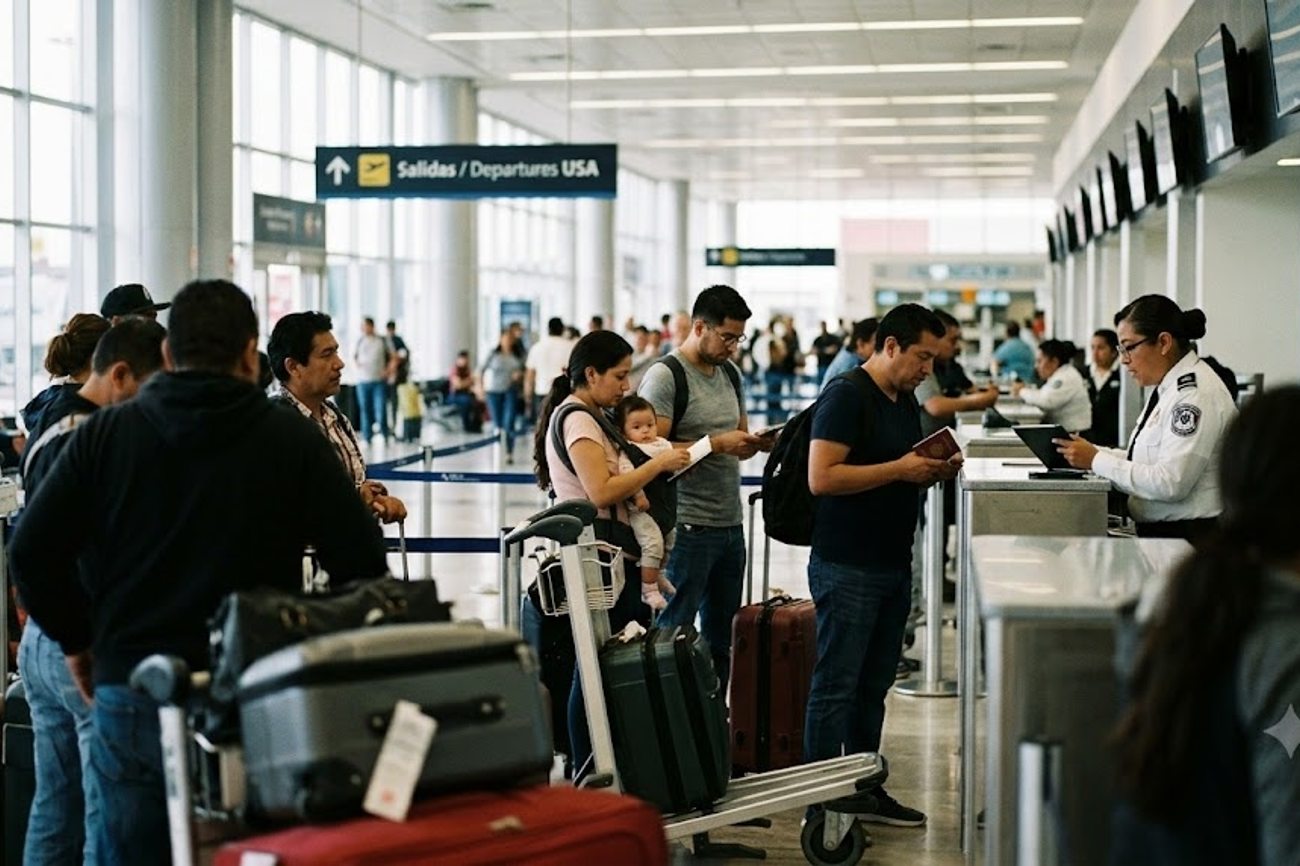
Image generated by AI
600 visas have already been revoked worldwide as the United States pivots toward a more aggressive enforcement strategy against the commercial infrastructure of birth tourism. On September 23, 2026, US Secretary of State Marco Rubio announced a targeted visa restriction policy designed to dismantle the networks that profit from the exploitation of the US immigration system. Unlike previous efforts that focused primarily on the pregnant traveler, this new mandate expands the scope of liability to include the architects, facilitators, and financial beneficiaries of commercial birth-tourism arrangements.
The Legal Mechanism of Section 212(a)(3)(C)
The shift in US policy is not a random administrative change but a targeted application of the Immigration and Nationality Act (INA), specifically Section 212(a)(3)(C). By leveraging this specific legal authority, the State Department is moving away from a case-by-case evaluation of individual travelers and toward a systemic crackdown on "commercial networks."
The US government defines these networks as organized entities that sell curated packages designed specifically to secure US citizenship for children born on American soil. This policy follows the creation of the Birth Tourism Prevention Task Force in August 2026, signaling a coordinated federal effort to treat birth tourism not as a personal travel choice, but as a form of immigration fraud. The focus has shifted from the "end-user" (the parent) to the "provider" (the facilitator), effectively attempting to starve the industry of its operational support.
Enforcement Scope and Regional Data
The September 23 measure does not impose a blanket ban on any specific nationality. However, the geographical impact is heavily concentrated in regions with high volumes of US-bound travel, particularly Latin America and the Caribbean. The policy creates a high-risk environment for "visa fixers" and medical intermediaries who have historically operated in the shadows of legitimate travel agencies.
The following table breaks down the specific targets of the September 23, 2026, policy:
| Target Category | Policy Status | Potential Consequence |
|---|---|---|
| Commercial Network Owners/Operators | Covered | Visa restrictions/denials |
| Visa "Fixers" (Fraud Coaches) | Covered | Visa restrictions/denials |
| Foreign Medical Providers (Knowingly facilitating) | Covered | Visa restrictions/denials |
| Medicaid Fraud Facilitators | Covered | Visa restrictions/denials |
| Certain Family Members of Facilitators | Potentially Covered | Case-by-case review |
| Ordinary Tourists / Family Visitors | Not Covered | No change to existing rules |
| Pregnant Travelers (Non-commercial) | Not Covered | No blanket restriction |
For nations like Mexico, the impact is nuanced. The established Border Crossing Card and visitor-visa systems remain operational. The risk is now concentrated on Mexican-based businesses that sell "childbirth packages" or intermediaries who coach applicants to misrepresent their travel intentions to US consular officers.
Expert Analysis: The Shift from Traveler to Infrastructure
For travelers and legal practitioners, the most significant aspect of this policy is the transition from "intent-based" enforcement to "network-based" enforcement. Previously, the US government had to prove that an individual traveler intended to circumvent immigration laws. Now, by targeting the facilitators, the State Department is creating a deterrent effect that ripples backward through the supply chain.
For travelers booking medical travel to the US, the direct consequence is a heightened scrutiny of the intermediaries they use. If a travel agent or a medical concierge is flagged as part of a "commercial birth-tourism network," any traveler associated with that entity may find their own visa application subjected to extreme scrutiny or delays. The pricing pressure this creates means that legitimate medical tourism may become more expensive as providers implement more rigorous (and costly) compliance checks to ensure they are not misclassified as "birth tourism facilitators."
Furthermore, the inclusion of "certain family members" in the potential restriction pool is a powerful psychological lever. By expanding the risk to the relatives of facilitators, the US is attempting to break the loyalty and secrecy of these commercial rings. This is a classic regulatory tactic: when the primary target is elusive, the state increases the cost of association.
For those in Haiti, the situation is compounded. While the September 23 policy adds a new layer of restriction, Haitian nationals are already navigating a much more restrictive visa environment due to separate, broader US policies. In this context, the birth-tourism restrictions are an additional hurdle rather than the primary barrier.
Key Takeaways
- Infrastructure Target: The policy specifically targets the owners, operators, and "fixers" who profit from commercial birth tourism, rather than imposing a blanket ban on pregnant women.
- Legal Basis: Enforcement is grounded in Section 212(a)(3)(C) of the Immigration and Nationality Act, giving the State Department broad powers to deny visas based on fraudulent facilitation.
- No Nationality Ban: Mexico, Jamaica, The Bahamas, the Dominican Republic, and Trinidad and Tobago remain open for legitimate tourism, business, and family visits.
- Expanded Liability: For the first time, family members of those facilitating birth tourism may face visa consequences.
- Precedent of Action: With over 600 visas already revoked globally, the US is demonstrating a willingness to execute these restrictions aggressively.
FAQ: US Birth Tourism Restrictions 2026
Will I be denied a US visa if I am pregnant and traveling for tourism? No. The September 23 policy does not create a blanket restriction on pregnant travelers. It targets those who use commercial networks to specifically secure US citizenship for their children through fraudulent means.
Are travel agents in Mexico or Jamaica now banned from booking US trips? No. Only those agents acting as "fixers" or operators of commercial birth-tourism networks—specifically those coaching clients to commit fraud—are targeted under the new restrictions.
What happens if I used a "birth tourism package" in the past? The US government is focusing on current networks and facilitators. However, those found to have committed visa fraud to enter the US for birth tourism may face future visa revocations or denials.
Does this policy affect the Border Crossing Card (BCC) for Mexican citizens? The BCC system remains in place. The policy only impacts individuals or businesses found to be knowingly organizing or facilitating prohibited commercial birth-tourism arrangements.
The era of the "citizenship concierge" is facing a federal reckoning, turning a once-lucrative shadow industry into a high-stakes legal liability.
Tags: Marco Rubio, Immigration and Nationality Act, US State Department, Birth Tourism 2026, US Visa Restrictions, Mexico-US Travel
Related Travel Guides
Disclaimer
This article is for informational and educational purposes only. It does not constitute legal, financial, or professional advice. While we strive to provide accurate and up-to-date information, travel policies, regulations, and conditions change rapidly. Always verify information with official sources before making travel decisions. Nomad Lawyer makes no representations about the accuracy, reliability, completeness, or suitability of the information provided. Readers should consult qualified professionals for advice specific to their circumstances. The views expressed in this article are those of the author and do not necessarily reflect the views of Nomad Lawyer.
Raushan Kumar
Founder & Lead Developer
Full-stack developer with 11+ years of experience and a passionate traveller. Raushan built Nomad Lawyer from the ground up with a vision to create the best travel and law experience on the web.
Learn more about our team →