
Italy Showcases Exclusive Golf Club Restaurants Creating Unforgettable Luxury Food Tourism Adventures
Italy Showcases Exclusive Golf Club Restaurants Creating Unforgettable Luxury Food Tourism Adventures

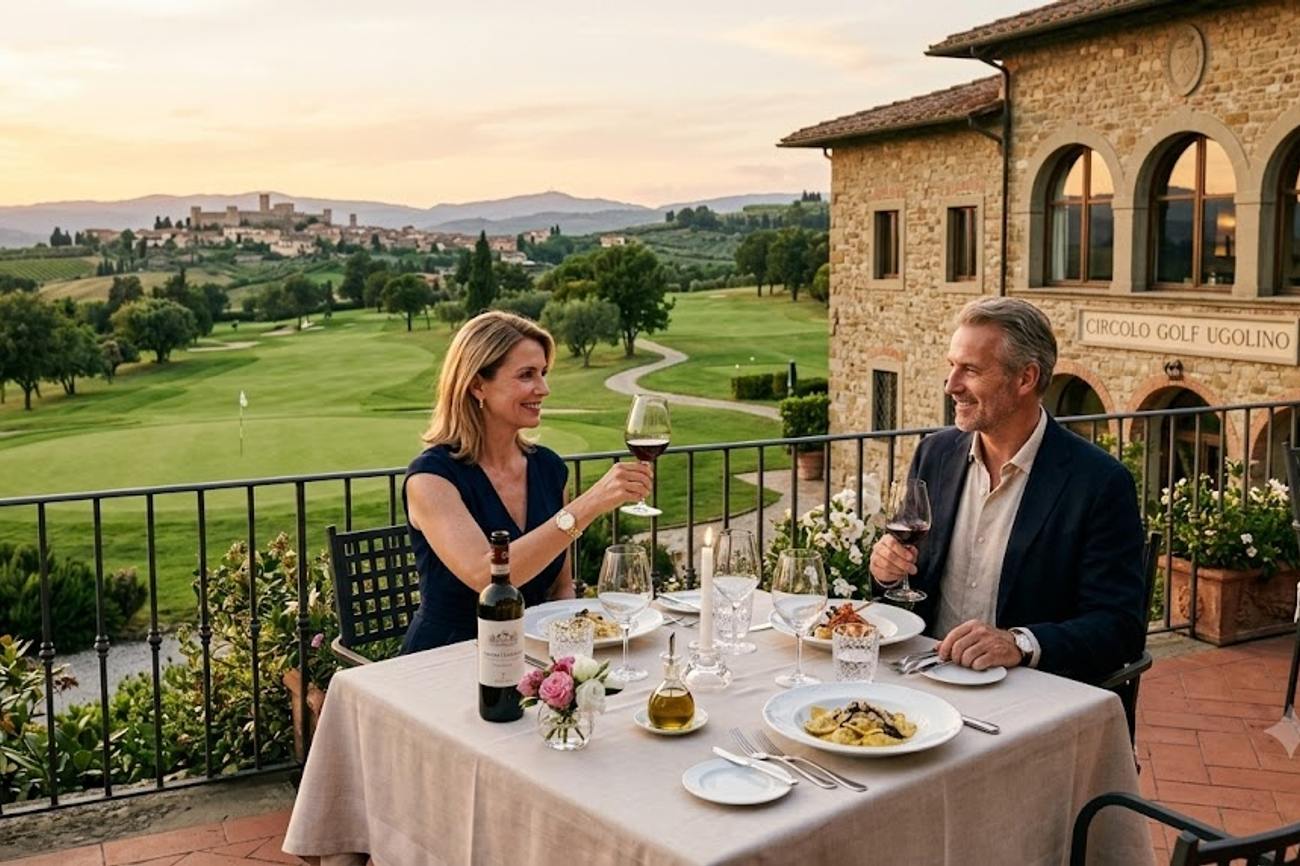
Image generated by AI
[Rome, May 2024] — Italy is aggressively diversifying its summer tourism strategy by integrating high-end culinary experiences within its national network of golf clubs to draw visitors away from overcrowded urban centers.
The initiative, coordinated through official tourism channels and luxury travel packages, positions golf-club restaurants as primary destinations for "experience-based" tourism. By blending professional sports facilities with regional gastronomy, the Italian tourism sector aims to attract high-net-worth international travelers who prioritize seclusion, nature, and authentic local flavors over traditional city-center sightseeing.
The Shift Toward Niche Gastronomy
The move is a direct response to a global shift in traveler behavior where visitors are eschewing "checklist" tourism in favor of immersive, culturally connected moments. By leveraging the existing infrastructure of golf resorts, Italy is creating a new hybrid travel category that merges luxury athletics with the country's renowned culinary heritage.
These venues are not merely clubhouses for members but are being rebranded as public-facing culinary landmarks. The strategy relies on the inherent appeal of the Italian countryside—incorporating mountain vistas, lakeside serenity, and coastal panoramas—to serve as a backdrop for high-end dining. This approach allows the Italian National Tourist Board (ENIT) to promote regional diversity, ensuring that the economic benefits of summer tourism extend beyond the "big three" cities of Rome, Florence, and Venice.
Markets and Profiles Impacted
The rollout of these luxury culinary routes specifically targets several high-spending demographics:
- Luxury Travelers: Individuals seeking exclusive, low-density environments and premium service standards.
- Golf Enthusiasts: Sports travelers who previously viewed dining as a secondary component of their trip.
- Culinary Tourists: Food-focused travelers looking for regional authenticity without the crowds of urban "tourist traps."
- High-End Family and Couple Markets: Visitors seeking romantic or multi-generational settings that combine outdoor activity with relaxed evening dining.
The impact is distributed across Italy's diverse geography:
- Northern Italy: Focus on alpine-inspired menus and mountain-view terraces.
- Coastal Regions: Emphasis on seafood-centric gastronomy and Mediterranean vistas.
- Central Italy: Highlighting traditional farm-to-table produce and regional specialties.
What This Means for Travelers
For the average traveler or luxury seeker booking a summer trip, this shift changes the logistics of how Italy is experienced. It moves the "center of gravity" for dining from the city square to the countryside.
Passenger and Visitor Impact:
- Logistical Planning: Because these restaurants are located in golf clubs—often situated in remote or rural areas—travelers cannot rely on walking or standard city transit. Car rentals or private transfers are now essential for accessing these dining sites.
- Reservation Requirements: Due to the exclusive nature of these venues and the limited seating on panoramic terraces, "walk-in" dining is unlikely. Advance bookings via official club portals are mandatory during the peak summer window.
- Pricing Tiers: These experiences are integrated into "luxury travel and culinary tour packages," meaning costs will likely be higher than standard trattorias, reflecting the premium nature of the location and service.
- Diversified Itineraries: Travelers can now build "activity-dining" loops, where a day of hiking or golfing culminates in a regional tasting menu, reducing the need to return to a hotel or city center for dinner.
The Integration of Sport and Plate
The strategic connection between the European Golf Association standards and Italian gastronomy is designed to increase the "length of stay" for visitors. Traditionally, golf tourists might visit a course and leave; by elevating the restaurant to a destination in its own right, Italy encourages overnight stays in nearby boutique hotels and villas.
The menus at these establishments are strictly seasonal, utilizing local ingredients to provide a "cultural journey" through taste. This prevents the homogenization of the dining experience, as a golf club in Tuscany will offer a radically different menu than one in the Dolomites. This regionalism is a key selling point for the World Tourism Organization (UNWTO), which advocates for sustainable tourism that supports local businesses and prevents the over-saturation of primary city hubs.
The Path to Sustainable Luxury
Looking forward, Italy intends to use this model to combat "over-tourism." By creating "hidden culinary attractions," the government can distribute the flow of people more evenly across the peninsula. The timeline for this expansion coincides with the peak summer season, with a focus on "sunset dining" and outdoor terrace experiences that capitalize on the Mediterranean climate.
The long-term goal is to establish "Golf Dining Routes"—curated paths that lead travelers through multiple clubs and regions, effectively turning a sporting trip into a gastronomic tour. This will likely lead to more partnerships between luxury hotel chains and golf clubs to create all-inclusive "Sport-and-Savor" packages.
FAQ: Italy Golf Dining 2024
Do I need to be a golfer to eat at these restaurants? No. The initiative is designed to open these culinary experiences to all tourists, regardless of their skill level or interest in golf. The focus is on the gastronomy and the scenic environment.
How should I arrange transportation to these venues? Most golf club restaurants are located in rural or scenic areas away from city centers. It is highly recommended to rent a car or hire a private chauffeur to ensure reliable access.
Are these restaurants family-friendly? Yes. The open-air nature and spacious layouts of golf clubs make them more suitable for families than cramped city bistros, though luxury dress codes may apply at certain venues.
When is the best time to visit these dining destinations? The "sunset dining" experience is the primary draw. It is recommended to book tables for the late afternoon or early evening to maximize the panoramic views and cooler summer temperatures.
Italy is trading the crowded cobblestones of the city for the manicured greens of the countryside, one plate at a time.
#ItalyTourism2024 #GolfGastronomy #LuxuryTravelItaly #RegionalItalianCuisine #ENIT #SustainableTourismItaly
Related Travel Guides
- Indonesia Reveals Bali Wellness Breakthrough as Personalised Health Retreats Expand at Mana Sanctuary
- Thailand Welcomes Four Seasons Koh Samui Among Michelin Recognised Hotels With Luxury Island Experiences
- Japan Luxury Travel Gets Brighter as Four Seasons Osaka Offers Prime Naniwa Fireworks Festival Experiences
Disclaimer
This article is for informational and educational purposes only. It does not constitute legal, financial, or professional advice. While we strive to provide accurate and up-to-date information, travel policies, regulations, and conditions change rapidly. Always verify information with official sources before making travel decisions. Nomad Lawyer makes no representations about the accuracy, reliability, completeness, or suitability of the information provided. Readers should consult qualified professionals for advice specific to their circumstances. The views expressed in this article are those of the author and do not necessarily reflect the views of Nomad Lawyer.
Raushan Kumar
Founder & Lead Developer
Full-stack developer with 11+ years of experience and a passionate traveller. Raushan built Nomad Lawyer from the ground up with a vision to create the best travel and law experience on the web.
Learn more about our team →