
Mexicana Fleet Expansion 2026: Ninth Embraer E2, AIFA Hub & Mexico Travel Guide

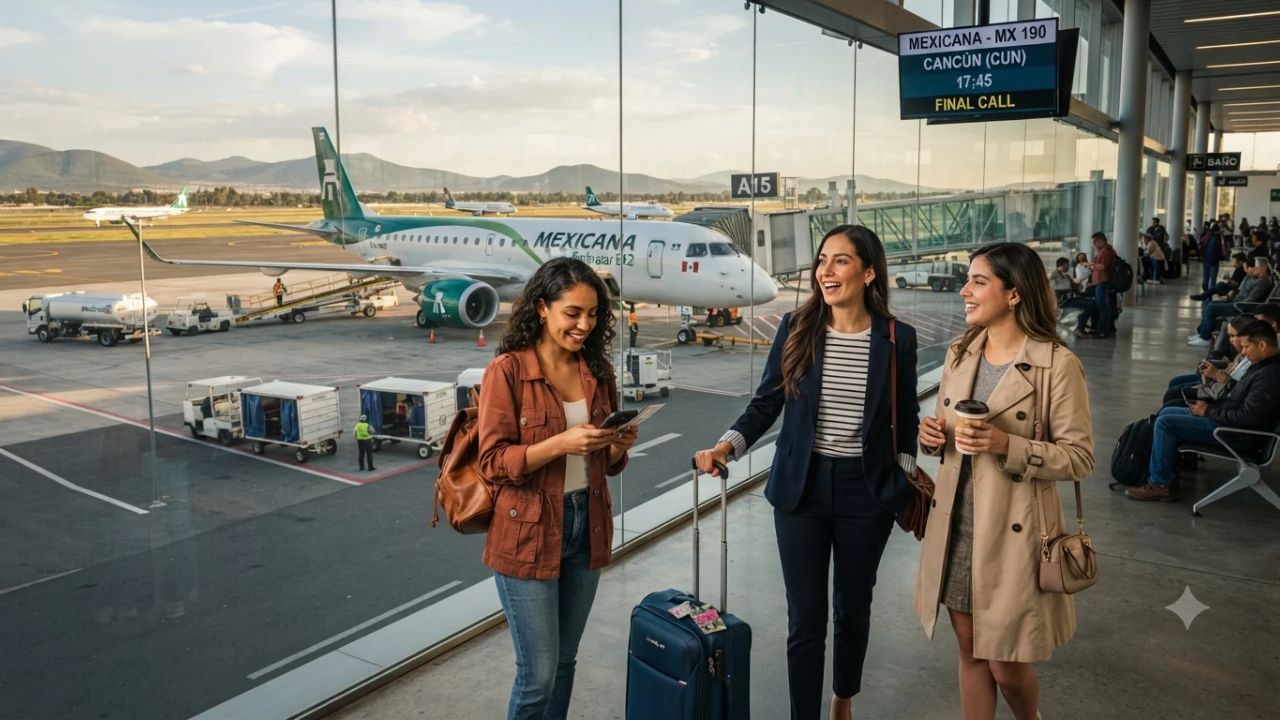
Unlike standard commercial jets where one in three passengers is trapped in a dreaded middle seat, every single traveler aboard Mexicana's Embraer 190-E2 fleet is guaranteed either a direct window or an aisle seat. The Mexican state-owned carrier has taken delivery of its ninth modern regional jet, registered under tail number XA-MXI, touching down at its operational base at Felipe Ángeles International Airport (AIFA) in Santa Lucía, State of Mexico. The aircraft arrival drives a monthly seat capacity surge of over 11 percent, elevating the airline's nationwide network capacity to 57,020 scheduled monthly seats.
The deployment of the 108-passenger Embraer 190-E2 advances the carrier's core strategic mandate of "connecting Mexico with Mexico." By linking emerging regional capitals, indigenous cultural hubs, and coastal towns directly with the capital metropolitan area, Mexicana provides affordable, fuel-efficient air service to communities long bypassed by traditional legacy carriers focused exclusively on congested trunk routes.
| Fleet Metric / Feature | Operational Specification | Passenger Benefit |
|---|---|---|
| Aircraft Model | Embraer 190-E2 (Next-Gen Jet) | Ultra-Quiet, Fuel-Efficient Engines |
| Fleet Milestone | 9th Embraer Aircraft Delivered | Tail Registration XA-MXI |
| Cabin Seating Capacity | 108 Passengers | 2+2 Layout (Zero Middle Seats) |
| Network Seat Capacity | 57,020 Monthly Scheduled Seats | +11% Capacity Increase |
| Main Operational Base | Felipe Ángeles Int'l (AIFA / NLU) | Santa Lucía, State of Mexico |
| Primary Route Mandate | Connecting Regional Mexico | Affordable Access to Cultural Hubs |
Scaling Regional Mobility from Felipe Ángeles International
The arrival of aircraft XA-MXI is a central piece in Mexicana's multi-year fleet modernization. The carrier selected the Brazilian-built Embraer 190-E2 for its short-field performance and reduced environmental emissions, making it ideal for serving high-altitude regional airfields across the Mexican highlands.
Operating out of AIFA allows the carrier to bypass the severe slot saturation and runway congestion of Benito Juárez International Airport (MEX). For travelers, this means fewer departure taxi delays, faster security processing, and reliable connections to regional destinations including Oaxaca, Palenque, Chetumal, Tulum, Campeche, Puerto Escondido, and Uruapan.
The 108-seat cabin configuration features generous seat pitch, ergonomic overhead bins designed to hold standard rolling luggage wheels-first, and whisper-quiet Pratt & Whitney geared turbofan engines that cut fuel burn and reduce cabin noise levels compared to previous generation regional aircraft.
What Sets Regional Mexico Exploration Apart
Connecting directly into regional Mexican destinations reveals a country far richer than the manufactured resort enclaves of the northern Riviera. Promoted nationwide through Visit Mexico, domestic routes from AIFA open direct access to ancient Zapotec, Mixtec, and Maya heritage centers.
Landing in Oaxaca brings travelers to the Historic Centre of Oaxaca and Archaeological Site of Monte Albán, a UNESCO World Heritage site where fifth-century mountain-top plazas overlook valleys producing seven distinct varieties of complex mole sauces, artisanal mezcal distilled from wild agaves, and intricate Zapotec hand-woven textiles in Teotitlán del Valle.
Direct flights into Campeche or Chetumal provide jumping-off points to explore the untamed rainforests of the Calakmul Biosphere Reserve, where towering Maya pyramids rise above dense tropical jungle canopies sheltering jaguars, howler monkeys, and hundreds of bird species. In coastal Michoacán and Oaxaca, regional flights connect surf travelers and ecotourists directly to the Pacific coastline at Puerto Escondido and Huatulco, supporting local fishing cooperatives and community-managed marine turtle release programs.
Visitor Insider Tips
- Navigating Transit to AIFA Airport: To reach Felipe Ángeles International Airport from downtown Mexico City without risking highway traffic, take the direct Tren Suburbano commuter rail extension from Buenavista Station directly into the terminal basement in under 40 minutes, or board scheduled Mexibús Line 1 from Ojo de Agua.
- Luggage and Boarding Protocols: Mexicana's regional baggage allowances are straightforward; carry-on luggage dimensions are strictly enforced for overhead bin fit on the Embraer 190-E2. Ensure personal items fit comfortably beneath the seat ahead.
- Seat Selection Strategy: Because all rows on the Embraer 190-E2 are arranged in a 2+2 format, solo travelers should select seats in rows 4 through 12 for rapid deplaning; window seats on the left side (Seats A) offer spectacular aerial views of the Popocatépetl and Iztaccíhuatl volcanoes when departing AIFA toward the south.
- Oaxaca Culinary Etiquette: When visiting Oaxaca's Mercado 20 de Noviembre, head straight to the famous Pasillo de Humo (Smoke Aisle) to select your preferred cuts of cecina, tasajo, and chorizo raw from butcher stalls, which are then grilled over charcoal before your eyes and served with fresh tlayudas, grilled scallions, and avocado.
- Archaeological Site Planning: When flying to Palenque or Campeche to explore ancient Maya ruins, enter the park gates at 08:00 opening time to explore the temples in cool morning mist before tour bus groups arrive and afternoon heat builds.
Cultural and Environmental Context
Mexicana's strategic focus on fuel-efficient Embraer E2 jets aligns with national sustainable transport goals. The aircraft's advanced aerodynamics and high-bypass turbofan engines reduce CO2 emissions by up to 25 percent per seat compared to older regional fleets, decreasing the aviation footprint across ecologically sensitive corridors like the Yucatan Peninsula and Chiapas rainforests.
From a cultural standpoint, decentralized regional air routes directly empower local indigenous tourism initiatives. Rather than economic leakage flowing exclusively to foreign-owned all-inclusive resorts, travelers flying on domestic regional routes spend their pesos directly in locally owned posadas, artisanal craft workshops, and community-guided nature reserves. Travelers are encouraged to respect indigenous cultural photography guidelines at sacred archaeological and church sites, purchase authentic handcrafts bearing government artisan certifications, and minimize single-use plastics when visiting rural biosphere reserves.
FAQ: Flying Mexicana Airlines & AIFA 2026
What is the cabin layout on Mexicana's new Embraer 190-E2?
The aircraft features 108 seats in a 2+2 configuration with zero middle seats, meaning every passenger has either a window or an aisle seat.
What is the monthly seat capacity of Mexicana's expanding fleet?
With the delivery of its ninth Embraer jet (XA-MXI), Mexicana's monthly capacity exceeds 57,020 scheduled seats.
Where is Mexicana's primary flight hub located?
The airline operates its primary hub from Felipe Ángeles International Airport (AIFA / NLU) in Santa Lucía, State of Mexico.
How do I travel between Mexico City center and AIFA Airport?
Passengers can use the direct Tren Suburbano rail link from Buenavista Station, express airport shuttle buses, or authorized taxi services.
[With middle seats eliminated and direct wings reaching deep into Mexico's cultural heartlands, Mexicana makes discovering the true soul of the country effortless.]
Related Travel Guides
Disclaimer
This article is for informational and educational purposes only. It does not constitute legal, financial, or professional advice. While we strive to provide accurate and up-to-date information, travel policies, regulations, and conditions change rapidly. Always verify information with official sources before making travel decisions. Nomad Lawyer makes no representations about the accuracy, reliability, completeness, or suitability of the information provided. Readers should consult qualified professionals for advice specific to their circumstances. The views expressed in this article are those of the author and do not necessarily reflect the views of Nomad Lawyer.
Raushan Kumar
Founder & Lead Developer
Full-stack developer with 11+ years of experience and a passionate traveller. Raushan built Nomad Lawyer from the ground up with a vision to create the best travel and law experience on the web.
Learn more about our team →