
India Unveils 8 Peak Monsoon Waterfall Destinations Across Meghalaya, Kerala, Maharashtra, and Karnataka Before Rains Subside
The late-monsoon season unlocks peak water flows across 8 iconic Indian waterfalls including Nohkalikai, Athirappilly, and Chitrakote.

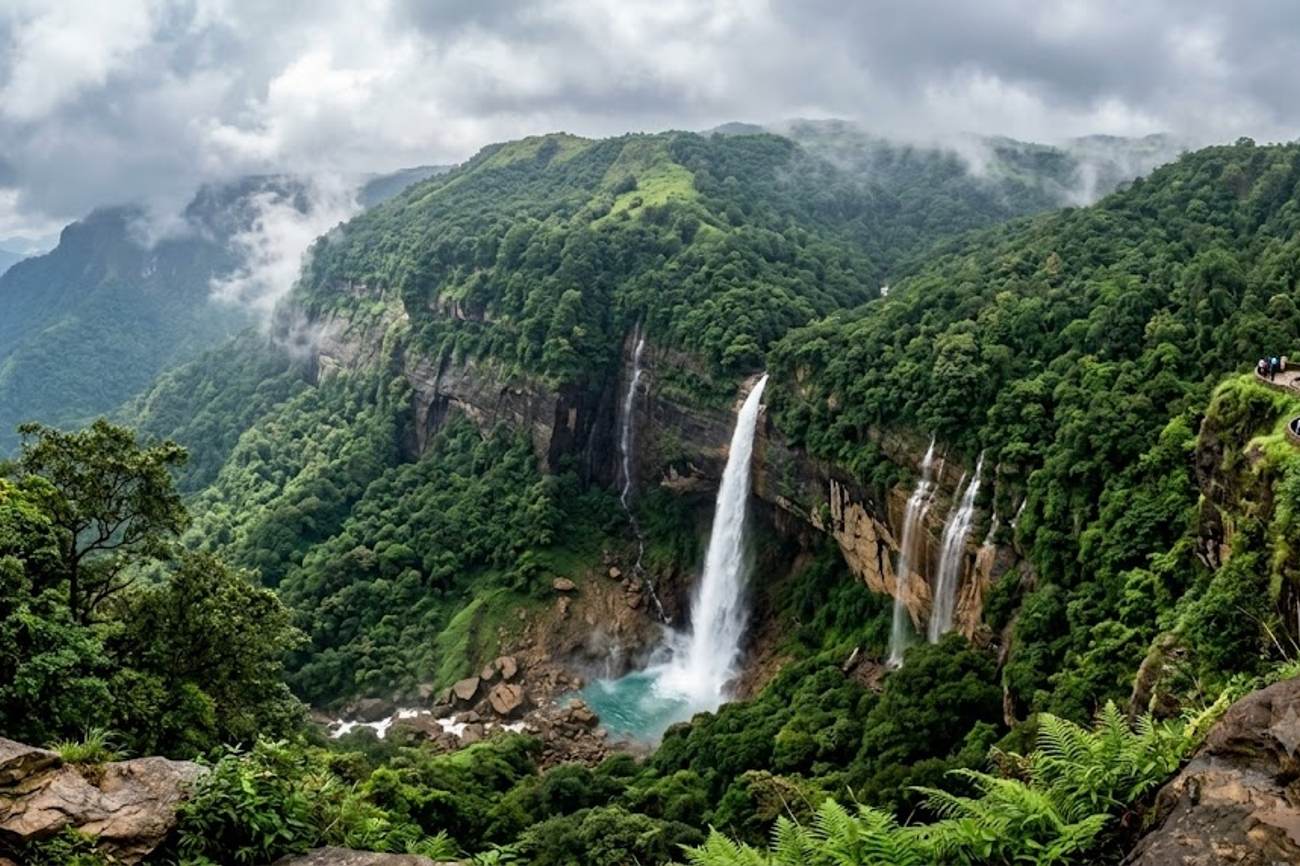
Image generated by AI
As the southwest monsoon enters its concluding weeks in September 2026, eight major waterfall destinations across Meghalaya, Kerala, Chhattisgarh, Karnataka, Madhya Pradesh, Maharashtra, and Tamil Nadu have reached peak water volume. Promoted by state tourism boards including Meghalaya Tourism and Kerala Tourism, this narrow late-monsoon window delivers maximum hydraulic flow combined with improving atmospheric clarity for international and domestic travelers.
Late-Monsoon Peak Unlocks India's Premier 8 Waterfall Destinations
The retreat of heavy monsoon rainfall during September and October provides ideal viewing conditions across India's primary river basins and plateau drop-offs. While peak rains in July and August frequently obscure high-altitude cascades behind dense fog, late-monsoon weather reduces cloud cover while river systems remain at full capacity.
The eight featured waterfall circuits highlight distinct geological formations across India:
- Nohkalikai Falls (Meghalaya): Located near Sohra in the East Khasi Hills, Nohkalikai plunges 340 metres from a limestone plateau into a turquoise pool, standing as one of India's tallest sheer-drop waterfalls. Shillong and Guwahati serve as primary transit gateways.
- Athirappilly Falls (Kerala): Situated on the Chalakudy River in Thrissur district, this 25-metre-high, broad cascade spans dense rainforest. Located just 40 kilometres from Cochin International Airport, it offers convenient fly-and-drive access.
- Chitrakote Falls (Chhattisgarh): Spanning the Indravati River in Bastar district 38 kilometres from Jagdalpur, Chitrakote expands to a width of nearly 300 metres during high monsoon flows, earning recognition as India's widest river cascade.
- Shivanasamudra Falls (Karnataka): The Kaveri River divides around an island 130 kilometres from Bengaluru, creating twin waterfalls—Gaganachukki (dropping 98 metres) and Bharachukki.
- Dhuandhar Falls (Madhya Pradesh): Located near Bhedaghat in Jabalpur district, the Narmada River channels through a narrow marble gorge before taking a 10-metre drop that generates persistent mist clouds.
- Thoseghar Waterfalls (Maharashtra): Nestled 25 kilometres from Satara in the Western Ghats, this multi-tiered waterfall features a main drop of 200 metres through forested valleys.
- Bhambavli Vajrai Waterfall (Maharashtra): Located 27 kilometres from Satara near the Kaas Plateau, this multi-stage cascade drops 260 metres down steep Western Ghats cliffs.
- Hogenakkal Falls (Tamil Nadu): Positioned on the Kaveri River in Dharmapuri district, 60 kilometres from Salem and 150 kilometres from Bengaluru, Hogenakkal features powerful river gorges and mist-filled channels.
Regional Waterfall Specifications and Transport Distance Matrix
The table below outlines technical metrics, river sources, nearest urban hubs, and transit distances for all eight late-monsoon waterfall destinations:
| Waterfall Name | State Location | River / Water Source | Primary Dimension / Metric | Nearest Transit Hub | Distance to Hub |
|---|---|---|---|---|---|
| Nohkalikai Falls | Meghalaya | Khasi Plateau Runoff | 340m Vertical Plunge | Shillong / Guwahati | 54 km / 148 km |
| Bhambavli Vajrai | Maharashtra | Western Ghats Streams | 260m Multi-Stage Drop | Satara / Pune | 27 km / 140 km |
| Thoseghar Falls | Maharashtra | Western Ghats Streams | 200m Main Cascade Drop | Satara / Pune | 25 km / 138 km |
| Shivanasamudra | Karnataka | Kaveri River | 98m Drop (Gaganachukki) | Bengaluru | 130 km |
| Athirappilly Falls | Kerala | Chalakudy River | 25m Drop / Broad Span | Cochin Intl Airport | 40 km |
| Chitrakote Falls | Chhattisgarh | Indravati River | 300m Horseshoe Width | Jagdalpur | 38 km |
| Dhuandhar Falls | Madhya Pradesh | Narmada River | 10m Drop / Marble Gorge | Jabalpur | 30 km |
| Hogenakkal Falls | Tamil Nadu | Kaveri River | River Gorge Cascade | Salem / Bengaluru | 60 km / 150 km |
Traveler Logistics Guide: Navigating Late-Monsoon Waterfall Circuits
Visiting India's waterfall circuits during the late monsoon requires strategic timing, transport planning, and safety precautions:
- Optimal Weather & Visibility Windows: Plan visits during September and early October. Heavy July-August downpours cause dense fog at high-altitude drops like Nohkalikai and Bhambavli Vajrai; September brings clearer skies while maintaining full water volume.
- Gateway Airports & Rail Transport: Utilize Cochin International Airport (COK) for Athirappilly, Guwahati Airport (GAU) for Nohkalikai, Kempegowda International Airport (BLR) for Shivanasamudra and Hogenakkal, and Jabalpur Airport (JBP) for Dhuandhar.
- Hydraulic & Dam Release Checks: Flow rates at Kaveri River sites (Shivanasamudra and Hogenakkal) depend heavily on upstream dam releases from KRS and Kabini reservoirs. Verify local water release notices before finalizing day trips from Bengaluru.
- Monsoon Safety & Footwear: Slippery moss-covered rocks and sudden flash surges pose safety risks. Stick to designated government viewing platforms, wear high-traction waterproof hiking shoes, and observe posted swimming bans near full-flowing rivers.
Regional Eco-Tourism Infrastructure and Safety Protocols
State tourism departments have invested in designated viewing decks, paved footpaths, and safety railings across key waterfall sites to manage seasonal visitor surges. In Satara (Maharashtra), barricaded platforms at Thoseghar and Bhambavli Vajrai allow tourists to view the drops safely without approaching fragile cliff edges.
Furthermore, integrating local village guides into eco-tourism management provides sustainable livelihoods in rural districts like Bastar (Chhattisgarh) and East Khasi Hills (Meghalaya). Controlled access protocols protect surrounding forest reserves while supporting local transportation and hospitality operators.
FAQ: India Late-Monsoon Waterfalls 2026
Which is the highest waterfall among India's late-monsoon featured sites? Nohkalikai Falls in Meghalaya is the tallest, featuring a sheer vertical plunge of approximately 340 metres into a turquoise pool near Sohra.
Which waterfall is easiest to reach for international travelers? Athirappilly Falls in Kerala is the most accessible, located just 40 kilometres (approximately a 1-hour drive) from Cochin International Airport.
Why is September considered the best month for waterfall photography in India? September offers maximum river volume left over from monsoon rains while benefiting from fewer cloudy or foggy days, providing high visibility for photography.
Related Travel Guides
Disclaimer
This article is for informational and educational purposes only. It does not constitute legal, financial, or professional advice. While we strive to provide accurate and up-to-date information, travel policies, regulations, and conditions change rapidly. Always verify information with official sources before making travel decisions. Nomad Lawyer makes no representations about the accuracy, reliability, completeness, or suitability of the information provided. Readers should consult qualified professionals for advice specific to their circumstances. The views expressed in this article are those of the author and do not necessarily reflect the views of Nomad Lawyer.
Preeti Gunjan
Contributor & Community Manager
A passionate traveller and community builder. Preeti helps grow the Nomad Lawyer community, fostering engagement and bringing the reader experience to life.
Learn more about our team →