
United Airlines Acquisition of American Airlines: The Mega-Merger That Could Reshape US Aviation
Breaking airline news and aviation industry updates for 2026.

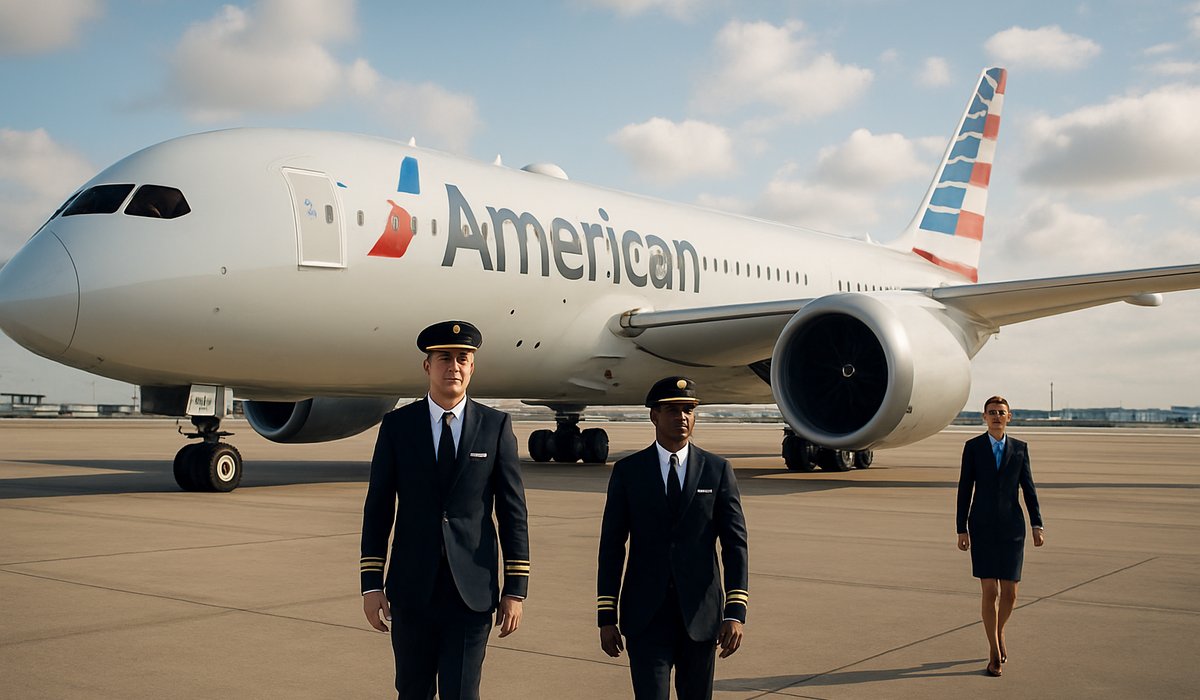
Image generated by AI
United Airlines Acquisition of American Airlines: The Mega-Merger That Could Reshape US Aviation
White House sources suggest radical consolidation strategy as industry faces structural challenges and soaring operational costs
Breaking: Consolidation Talks Emerge Amid Industry Pressure
A purported White House insider has disclosed preliminary discussions between United Airlines Chief Executive Scott Kirby and President Donald Trump regarding a potential acquisition of American Airlines—a transaction that would fundamentally restructure the American aviation landscape. The proposed merger would create a combined carrier commanding unprecedented market dominance, fundamentally altering competitive dynamics across the U.S. air travel sector.
The timing of these alleged negotiations reflects mounting pressures facing legacy carriers. Rising jet fuel prices, driven by geopolitical tensions in the Middle East, have significantly compressed profit margins across the industry. Simultaneously, the U.S. airline sector is experiencing a widening performance gap—a so-called K-shaped recovery—where larger carriers with substantial pricing power and network reach pull away from struggling competitors with limited competitive advantages.
Proposed Merger Creates Aviation Giant
The combined entity would operate an extraordinary fleet exceeding 2,000 mainline aircraft and command major hub operations spanning 16 major U.S. airports. Most critically, the merged airline would capture approximately 35% of the American domestic market share—a concentration level that would dwarf every competing carrier and potentially trigger intensive regulatory scrutiny.
Such a position would grant the combined carrier unparalleled leverage over pricing, route scheduling, and ancillary revenue streams including baggage charges, seat selection fees, and loyalty program monetization. This structural advantage would translate directly into expanded profit margins during a period when aviation industry operators face persistent cost headwinds.
Industry Turbulence and Regulatory Questions
The proposal emerges as the aviation sector grapples with extraordinary cost pressures. Elevated jet fuel prices have already forced carriers to reassess fleet economics and route profitability calculations. Many operators have implemented aggressive fee restructuring—expanding baggage charges, raising booking fees, and introducing premium seating premiums—to offset eroding margins.
A consolidated giant combining United's Pacific-focused network strength with American's international hub infrastructure would eliminate a significant competitor while potentially reducing system-wide flight frequencies and restricting consumer choice across major markets. Regulatory authorities would face substantial pressure to evaluate whether such concentration violates antitrust frameworks designed to protect consumer welfare.
The financial calculus of such an acquisition remains uncertain. American Airlines' current valuation, existing debt obligations, and integration costs could present formidable obstacles. Nevertheless, the consolidation logic—combining scale, network efficiency, and market power—reflects a strategic impulse reshaping global aviation.
What Comes Next
Industry observers anticipate mounting regulatory and political resistance. Consumer advocacy groups, labor representatives, and competitors would undoubtedly challenge such a transaction. Whether preliminary White House discussions progress toward formal acquisition proposals remains unclear.
FAQ: Airline Consolidation and Travel Impact
Q: How would a United-American merger affect baggage charges and airline fees? A: Consolidation typically enables carriers to implement uniform, higher fee structures across combined networks, reducing competitive pricing pressure on ancillary revenues.
Q: What impact do jet fuel prices have on airline ticket prices? A: Elevated fuel costs directly compress profit margins, prompting carriers to increase base fares and expand ancillary fees to maintain financial performance.
Q: Could a 35% market share merger face regulatory rejection? A: Yes—the Department of Justice and DOT routinely challenge airline mergers exceeding combined market concentrations that reduce consumer choice and competition.
Q: How has the aviation industry changed since previous mega-mergers? A: Past consolidations (United-Continental, American-US Airways) reduced domestic carriers from nine major operators to three, increasing pricing power and reducing service competition.
Q: What geopolitical factors currently pressure airline economics? A: Middle East tensions have escalated jet fuel prices, forcing carriers to reassess profitability and driving cost-reduction strategies including consolidation discussions.
Related Travel Guides
- United Airlines Flight UAL1942 From Denver to Austin Makes Precautionary Return to Denver International Airport
- Delta Lines Joins Emirates & Singapore in Historic European Pivot
- Middle East Travel Chaos: Severe Flight Cancellations and Delays Paralyze King Abdulaziz Airport in Jeddah as Saudia and Flyadeal Networks Collapse
Disclaimer
This article is for informational and educational purposes only. It does not constitute legal, financial, or professional advice. While we strive to provide accurate and up-to-date information, travel policies, regulations, and conditions change rapidly. Always verify information with official sources before making travel decisions. Nomad Lawyer makes no representations about the accuracy, reliability, completeness, or suitability of the information provided. Readers should consult qualified professionals for advice specific to their circumstances. The views expressed in this article are those of the author and do not necessarily reflect the views of Nomad Lawyer.
Preeti Gunjan
Contributor & Community Manager
A passionate traveller and community builder. Preeti helps grow the Nomad Lawyer community, fostering engagement and bringing the reader experience to life.
Learn more about our team →