
Air Canada Launches Ambitious Ultra-Long-Haul Expansion with 10 New Routes Exceeding 24-Hour Flight Operations
Breaking airline news and aviation industry updates for 2026.

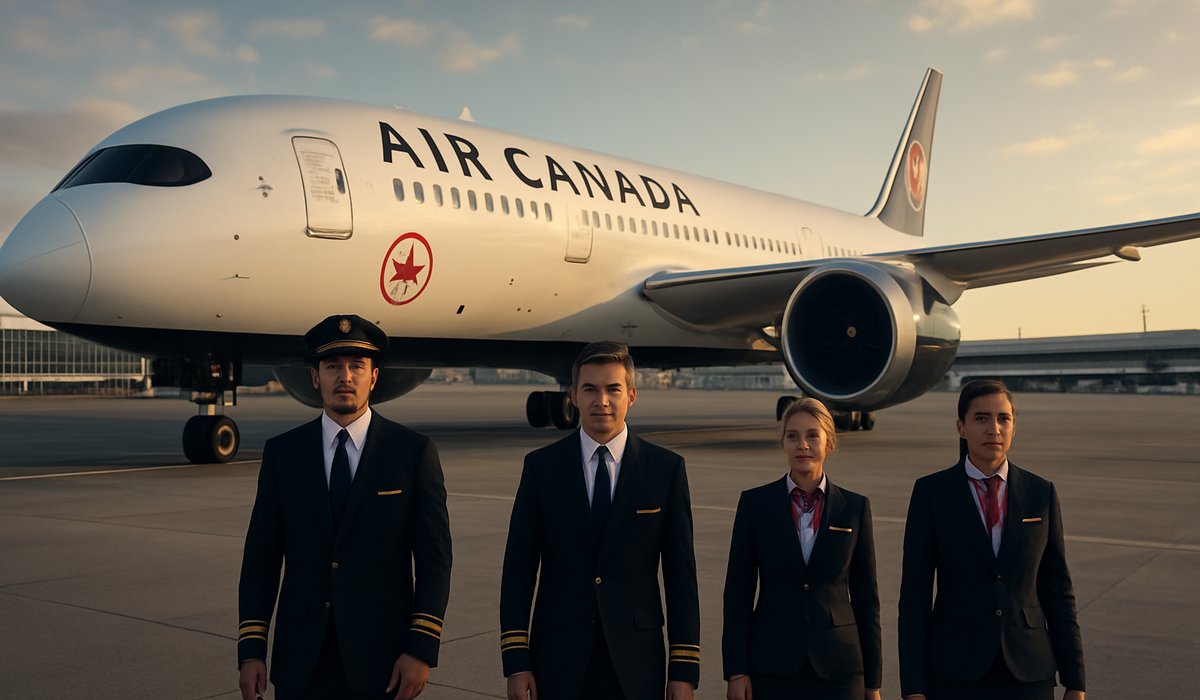
Image generated by AI
Air Canada Launches Ambitious Ultra-Long-Haul Expansion with 10 New Routes Exceeding 24-Hour Flight Operations
Canadian carrier positions itself as global long-haul leader, adding near-day-length journeys to 2026 schedule
Record-Breaking Route Expansion Signals Shift in Aviation Strategy
Air Canada is making an aggressive push into ultra-long-haul aviation, unveiling plans to introduce 10 new routes in 2026 that will test the limits of modern commercial aviation endurance. The expansion represents a significant escalation in the carrier's long-haul strategy, with several routes approaching or exceeding 24-hour flight durations when accounting for routing and operational requirements.
The Toronto-based airline, already commanding substantial presence in extended-range operations, is doubling down on its position as one of the world's premier long-haul operators. According to scheduling data submitted to aviation analytics firm OAG, Air Canada anticipates an average of 120 daily departures between May and December, cementing its status as the globe's 11th-largest airline by flight frequency.
Expansion Underscores Jet Fuel Economics and Passenger Demand
The timing of this expansion reflects stabilizing jet fuel prices and recovering international demand following post-pandemic aviation recovery. Ultra-long-haul routes represent some of aviation's most challenging and capital-intensive operations, requiring specialized aircraft, highly trained crews, and sophisticated logistical infrastructure. Air Canada's confidence in launching 10 simultaneous new routes signals management's assessment that market conditions favor these premium, high-margin services.
The carrier's investment in ultra-long-haul capacity directly competes with international rivals including Singapore Airlines, Qatar Airways, and emerging operators in the Middle East. Each of these carriers has similarly expanded distant-market connectivity, intensifying competition on some of the aviation industry's most lucrative routes.
Operational Complexity Drives Higher Airline Fees and Baggage Charges
Extended flight durations create operational complexities that inevitably influence passenger pricing structures. Airlines operating 24-hour routes typically impose premium fares to offset crew rest requirements, enhanced catering, maintenance intervals, and fuel surcharges. Additional ancillary revenue streams—including elevated baggage charges, seat selection fees, and premium service upsells—become integral to route profitability on these ultra-long-haul operations.
Air Canada's network expansion comes as the broader aviation industry continues recalibrating capacity allocation and pricing strategies. The carrier's submission to OAG demonstrates meticulous planning around seasonal demand fluctuations, with the May-to-December scheduling window capturing peak international travel periods.
Industry Implications for Global Air Travel
This expansion underscores aviation's continuing recovery trajectory and consumer appetite for direct long-distance connectivity, despite elevated travel costs. The introduction of 10 new ultra-long-haul routes simultaneously represents ambitious execution that will test Air Canada's operational capabilities and supply-chain resilience.
Frequently Asked Questions
Q: How do ultra-long-haul flights affect airline baggage charges and fees? Ultra-long-haul operations increase airline overhead substantially, resulting in premium baggage charges compared to short-haul routes. Carriers typically charge higher baggage fees on 20+ hour flights due to fuel surcharges and operational complexity.
Q: What impact do jet fuel prices have on new ultra-long-haul route launches? New route expansion directly correlates with fuel price stability. Airlines only launch expensive ultra-long-haul services when fuel costs permit reasonable route profitability and competitive pricing.
Q: Why is Air Canada ranked 11th globally despite operating fewer flights than larger carriers? Air Canada's ranking reflects daily departure frequency (120 average flights May-December). Global rankings also consider passenger volume, revenue, and fleet size alongside flight counts.
Q: How do 24-hour flights impact crew scheduling and airline operational costs? Extended flight durations require multiple crew rotations, enhanced rest protocols, and sophisticated logistics management, significantly increasing per-flight operational costs and airline fees.
Q: Which airlines compete directly with Air Canada on ultra-long-haul routes? Singapore Airlines, Qatar Airways, Emirates, and other Middle Eastern carriers lead ultra-long-haul operations, competing intensely on premium international routes Air Canada now enters.
Related Travel Guides
Flight Delay Compensation Guide 2026
Understanding Airline Route Changes
Airport Security Process Updated (2026)
External Resources
Disclaimer
This article is for informational and educational purposes only. It does not constitute legal, financial, or professional advice. While we strive to provide accurate and up-to-date information, travel policies, regulations, and conditions change rapidly. Always verify information with official sources before making travel decisions. Nomad Lawyer makes no representations about the accuracy, reliability, completeness, or suitability of the information provided. Readers should consult qualified professionals for advice specific to their circumstances. The views expressed in this article are those of the author and do not necessarily reflect the views of Nomad Lawyer.
Raushan Kumar
Founder & Lead Developer
Full-stack developer with 11+ years of experience and a passionate traveller. Raushan built Nomad Lawyer from the ground up with a vision to create the best travel and law experience on the web.
Learn more about our team →