
Emirates Launches Unprecedented Ultra-Long-Haul Network: Ten New Routes Exceeding 22 Hours in 2026
Breaking airline news and aviation industry updates for 2026.

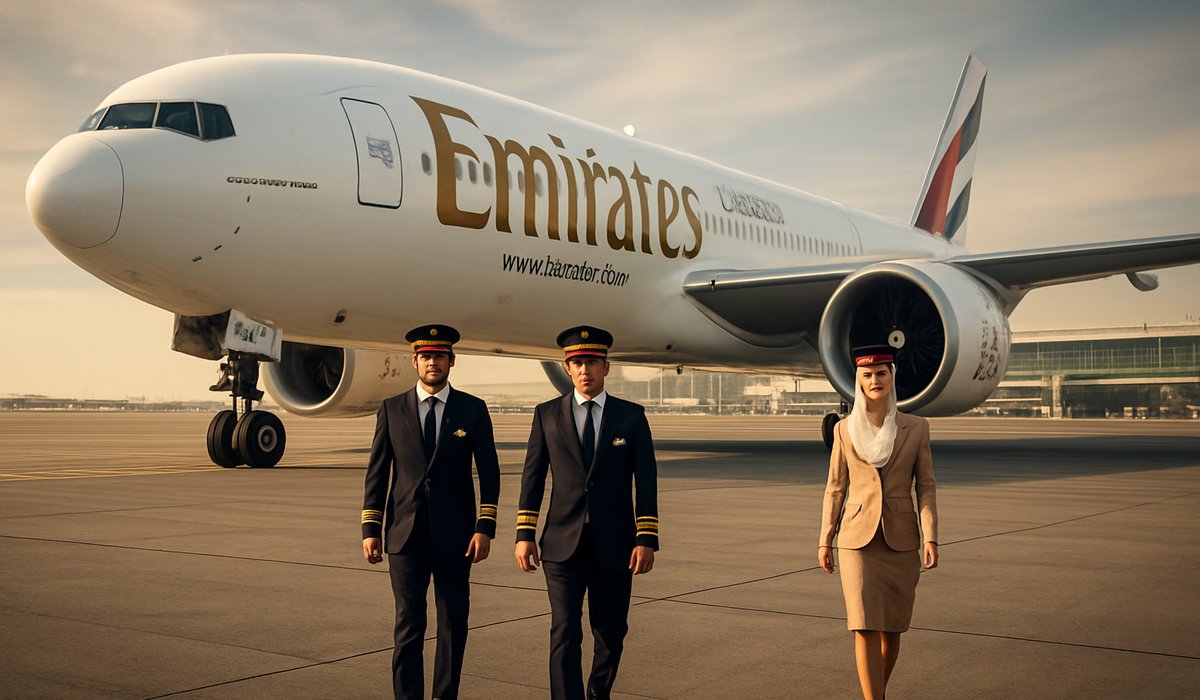
Image generated by AI
Emirates Launches Unprecedented Ultra-Long-Haul Network: Ten New Routes Exceeding 22 Hours in 2026
Gulf carrier's aggressive expansion into extreme-distance flying reshapes global aviation landscape
Emirates is preparing to fundamentally transform ultra-long-haul aviation by introducing ten new routes next year, each exceeding 22 hours of flight time—marking one of the most ambitious stretches in the carrier's expansion strategy. The Dubai-based airline, already the world's second-largest operator of long-haul services behind United Airlines, is leveraging its all-widebody fleet to capture an unprecedented share of extreme-distance passenger markets.
A Game-Changing Strategy for Extreme-Distance Travel
The initiative represents a significant escalation in Emirates' commitment to linking distant global markets with nonstop service. As the planet's largest carrier by international passenger capacity and available seat miles, the airline is positioned uniquely to absorb the operational challenges and fuel costs associated with flights lasting more than 20 hours. This expansion underscores how jet fuel prices, while volatile, remain manageable for carriers with sophisticated route optimization and fuel hedging strategies.
The twelve-ranked international airline by total passenger volume is banking on premium pricing and business-class demand to offset the considerable operating expenses of ultra-long-haul operations. Industry analysts note that such extended flights typically command higher fares, particularly in premium cabins, offsetting fuel surcharges and baggage fees that increasingly define modern aviation economics.
Fleet Advantage Drives Expansion
Emirates' decision to operate exclusively widebody aircraft—predominantly the Boeing 777 and Airbus A380—provides structural advantages competitors cannot easily replicate. These aircraft maximize seat density on grueling transpacific and trans-Indian Ocean routes while maintaining crew rest facilities and passenger comfort standards essential for flights exceeding 20 hours.
The expansion also reflects broader aviation industry trends toward point-to-point connectivity, reducing reliance on hub-and-spoke models. As traditional carriers grapple with rising labor costs and volatile jet fuel markets, Emirates continues aggressive capacity additions on ultra-long-haul corridors where demand remains robust.
Implications for Global Aviation Markets
The ten-route deployment will intensify competition on premium long-distance services, potentially pressuring rival carriers on comparable trans-oceanic and international routes. Airlines including Qantas, Singapore Airlines, and Cathay Pacific, which operate similar extreme-distance networks, face renewed competitive pressure as Emirates deploys additional widebody capacity.
For travelers, the expansion promises expanded nonstop options to previously underserved markets, though airline fees—including baggage charges and fuel surcharges—may remain elevated given the operational complexity and aviation fuel requirements of such extended flights.
The initiative crystallizes Emirates' strategic positioning as the dominant force in long-haul aviation, reinforcing its competitive moat in an industry increasingly defined by route network density and capacity scale.
Frequently Asked Questions
How much do ultra-long-haul flights like Emirates' 22-hour routes typically cost? Premium cabin fares on ultra-long-haul routes generally command 40-60% premiums over standard long-haul pricing, with economy tickets varying based on demand and airline fuel surcharges.
Why do airlines charge extra baggage fees on long-haul international flights? Extended flights consume significantly more jet fuel, and baggage weight directly impacts fuel consumption—particularly on distance-intensive routes where every kilogram affects profitability.
What is the impact of jet fuel prices on airline ticket costs? Fuel typically represents 20-35% of operating expenses for long-haul carriers; volatile fuel markets often trigger fuel surcharges on tickets, especially for ultra-long-haul services.
Which airlines compete most directly with Emirates on ultra-long-haul routes? Qantas, Singapore Airlines, Cathay Pacific, and increasingly United Airlines compete heavily in the extreme-distance market, though Emirates maintains the largest capacity advantage.
Are 22-hour flights safe for passengers and crew? Yes; modern ultra-long-haul aircraft include crew rest compartments, advanced life support systems, and strict duty-time regulations ensuring safety on extended operations.
Related Travel Guides
- Composite Aircraft Repairs: The Hidden Maintenance Crisis Challenging Global Airlines
- Cambodia and Turkey Accelerate Tourism Cooperation by Expanding Direct Flights and Developing Techo International Airport Infrastructure
- Singapore Delays Eco-Aviation SAF Levy Amid Middle East Tensions: What Every Traveler Must Know for 2026-2027
Disclaimer
This article is for informational and educational purposes only. It does not constitute legal, financial, or professional advice. While we strive to provide accurate and up-to-date information, travel policies, regulations, and conditions change rapidly. Always verify information with official sources before making travel decisions. Nomad Lawyer makes no representations about the accuracy, reliability, completeness, or suitability of the information provided. Readers should consult qualified professionals for advice specific to their circumstances. The views expressed in this article are those of the author and do not necessarily reflect the views of Nomad Lawyer.
Raushan Kumar
Founder & Lead Developer
Full-stack developer with 11+ years of experience and a passionate traveller. Raushan built Nomad Lawyer from the ground up with a vision to create the best travel and law experience on the web.
Learn more about our team →