
Maryland Tourism Outlook 2026: Ocean City, Baltimore and Frederick Target High-Value Overnight Stays
Maryland's tourism sector is pivoting toward high-value overnight visitors in 2026, with Baltimore, Ocean City, and Frederick implementing new infrastructure and sales strategies to boost local spending.

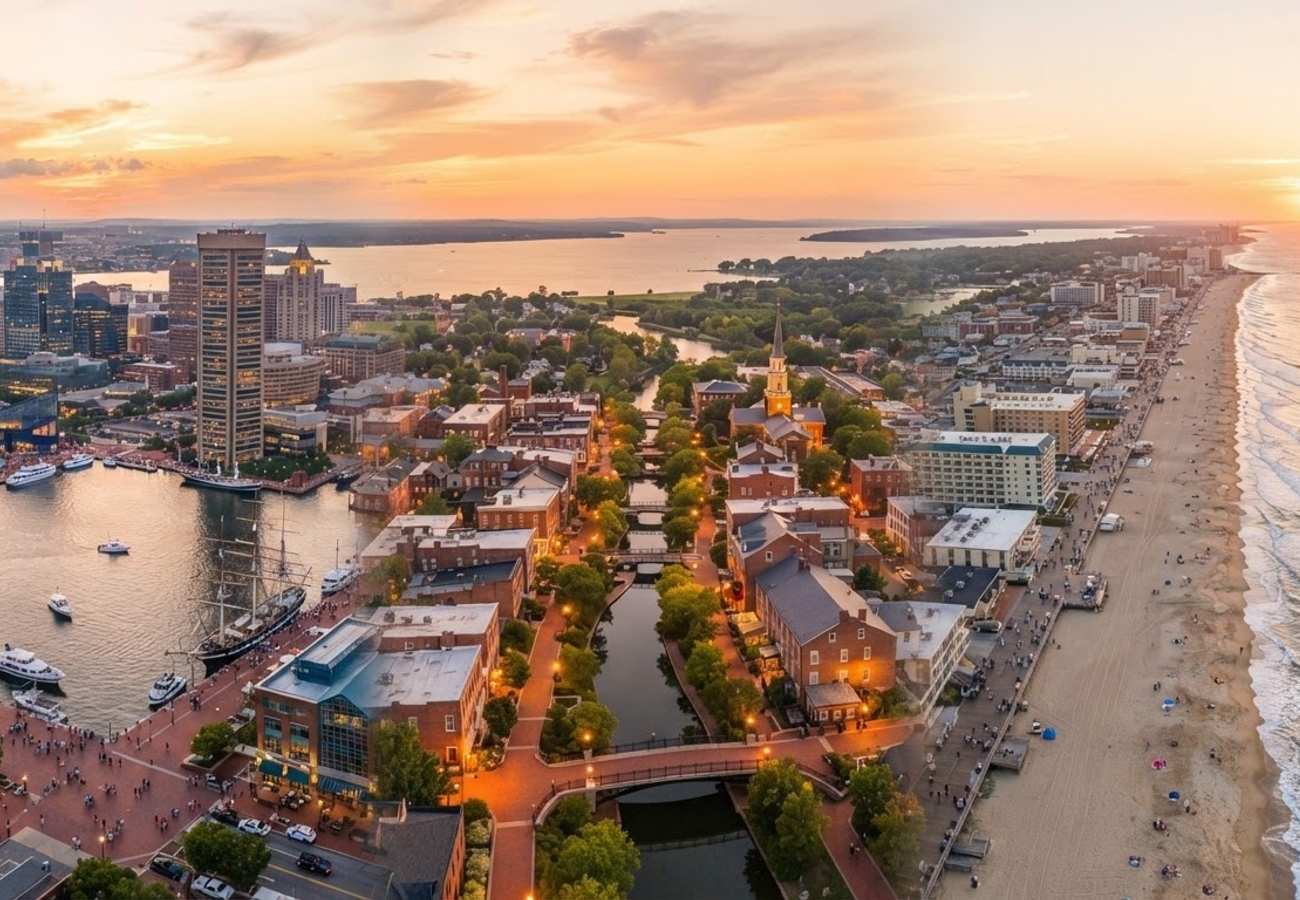
Image generated by AI
Maryland is transitioning from a high-volume day-trip destination to a high-value overnight hub, with 2024 data showing $21.2 billion in spending providing the foundation for 2026 growth.
Maryland’s tourism strategy for 2026 has shifted toward a "quality over quantity" model. While the state continues to attract millions of visitors, the current priority for municipal leaders in Baltimore, Ocean City, and Frederick is the conversion of day-trippers into overnight guests. This shift is designed to maximize the economic multiplier effect across the hospitality, retail, and transportation sectors.
According to the Maryland Office of Tourism Development, the state hosted 45.8 million domestic and international visitors in 2024, marking a 1.5% increase over 2023. More importantly, visitor spending rose by 3.2%, totaling $21.2 billion. This spending supported approximately 194,000 jobs and generated $2.5 billion in state and local tax revenue.
The Overnight Gap: Day Trips vs. Person-Trips
A critical component of the 2026 strategy is addressing the disparity between visitor types. The FY2026 Tourism Marketing and Development Plan reveals a significant gap in travel patterns:
- Day Trips: 27.46 million
- Domestic Overnight Person-Trips: 17.61 million
Because overnight visitors generate higher per-capita spending on lodging and dining, the state is diversifying its offerings to extend the length of stay. Leisure travel remains the primary driver, accounting for 36.96 million domestic person-trips (82% of volume), while business travel represents 8.11 million trips (18%).
Regional Growth Specifications and Infrastructure
Different Maryland hubs are employing distinct tactics to capture this higher-spending demographic.
| Destination | Primary 2026 Strategy | Key Metric/Project | Target Segment |
|---|---|---|---|
| Baltimore | Urban Tourism & Conventions | 5% $\uparrow$ Hotel Demand; 11.7% $\uparrow$ Room Rates | Business & Urban Leisure |
| Ocean City | Shoulder-Season Expansion | "Discover Ocean City, MD" Sales Brand | Sports Tournaments & Groups |
| Frederick | Infrastructure Diversification | Marriott Downtown Frederick (204 rooms) | Heritage & Business Travel |
| Annapolis | Maritime & Heritage Integration | $\approx$ 4 Million Annual Visitors | Waterfront & Sailing Tourists |
City-Specific Transit and Economic Impacts
Baltimore: Urban Momentum Baltimore is leveraging its role as a regional population center to create a bidirectional travel flow. The city has seen a 5% increase in hotel demand and an 11.7% rise in average nightly room rates as of calendar-year 2024, signaling a robust recovery in the urban hospitality sector.
Ocean City: Breaking the Seasonal Cycle Traditionally a summer-heavy destination with 10,000 hotel rooms and a large condo market, Ocean City is launching "Discover Ocean City, MD" in 2026. This dedicated destination sales brand aims to fill rooms during midweek and shoulder seasons by targeting sports tournaments and large-scale conventions.
Frederick: The Business Pivot Frederick County is moving away from seasonal dependence toward a year-round model based on craft beverages, arts, and outdoor recreation. In 2024, the county saw 2.1 million visitors generating a record $564 million in revenue. To support this, the Marriott Downtown Frederick at Carroll Creek broke ground in February 2026. Scheduled for 2027 completion, it will add 204 guest rooms and 26,000 square feet of meeting space.
Traveler Logistics Guide: Navigating Maryland in 2026
From a ground-level perspective, the best way to navigate Maryland's diversifying tourism hubs is to align your visit with the "shoulder season" incentives now being offered by Ocean City and Frederick.
Booking and Connections:
- Baltimore to Annapolis: For those combining urban and maritime visits, use regional transit or ride-share services. Annapolis is compact; once there, the best approach is to park in designated municipal garages and explore the historic waterfront on foot.
- Frederick Transit: With the new Marriott development increasing capacity, business travelers should prioritize booking the Carroll Creek area to minimize transit time between meetings and lodging.
- Ocean City Logistics: If visiting for sports or group events during the shoulder season, check for "Discover Ocean City" package deals which often bundle lodging with event access.
Digital and Customs Policies: Travelers entering the US to visit these hubs should ensure their ESTA or visa documentation is current. While Maryland does not have a specific digital transit pass like some international hubs, utilizing mobile check-ins for the growing number of conference hotels in Frederick and Baltimore is highly recommended to bypass lobby congestion.
Regional Connectivity Assessment
The strategic pivot toward overnight stays is likely to reduce the "peak-and-valley" volatility of the Maryland economy. By investing in conference infrastructure in Frederick and destination sales in Ocean City, the state is creating a more resilient tourism ecosystem. This diversification reduces the risk associated with weather-dependent leisure travel and positions Maryland as a competitive hub for the East Coast's MICE (Meetings, Incentives, Conferences, and Exhibitions) market.
Maryland is no longer just a stopover; it is engineering itself into a destination.
Related Travel Guides
Disclaimer
This article is for informational and educational purposes only. It does not constitute legal, financial, or professional advice. While we strive to provide accurate and up-to-date information, travel policies, regulations, and conditions change rapidly. Always verify information with official sources before making travel decisions. Nomad Lawyer makes no representations about the accuracy, reliability, completeness, or suitability of the information provided. Readers should consult qualified professionals for advice specific to their circumstances. The views expressed in this article are those of the author and do not necessarily reflect the views of Nomad Lawyer.
Preeti Gunjan
Contributor & Community Manager
A passionate traveller and community builder. Preeti helps grow the Nomad Lawyer community, fostering engagement and bringing the reader experience to life.
Learn more about our team →