
Malaysia Targets 47 Million International Visitors for Visit Malaysia 2026 Tourism Surge
Malaysia aims to attract 47 million international arrivals by 2026 through expanded air connectivity and the 'Malaysia Truly Asia' campaign, positioning itself as a primary Southeast Asian hub.

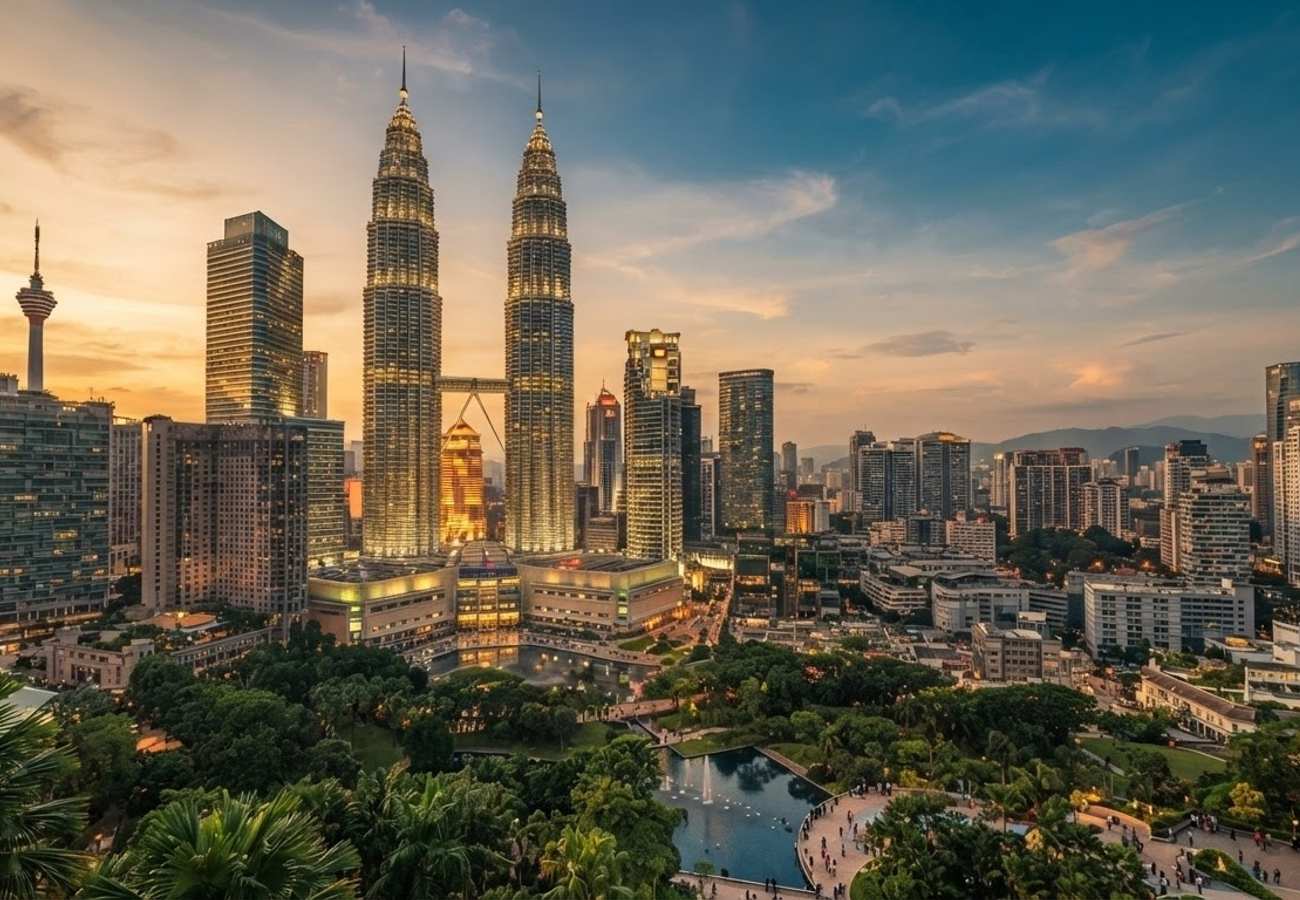
Image generated by AI
Malaysia is aggressively scaling its tourism infrastructure to accommodate a target of 47 million international visitors in 2026, nearly doubling its 2024 arrival figures.
The national "Visit Malaysia 2026" campaign marks a strategic shift from pandemic recovery to active expansion. Following a strong 2024, which saw over 25 million international arrivals, the country is leveraging its position as a regional aviation hub to compete directly with Thailand and Singapore for dominance in the Southeast Asian travel market.
Strategic Expansion and Arrival Targets
The "Visit Malaysia 2026" initiative is designed to transition the country into a high-value destination. Rather than focusing solely on volume, the government is prioritizing "experience-driven" tourism to increase per-capita spending and extend the average length of stay.
Official data indicates that Malaysia has consistently ranked among the top two ASEAN destinations by arrival volume. To hit the 47 million visitor mark, the strategy emphasizes geographical dispersion. By promoting state-level campaigns in Melaka, Penang, Sabah, Sarawak, and Johor, authorities aim to reduce congestion in Kuala Lumpur and distribute economic gains to secondary cities.
Aviation Connectivity and Infrastructure Specifications
The surge in arrivals is underpinned by a significant increase in flight frequencies and the development of point-to-point links. Airline schedules for the northern winter 2025 and early 2026 seasons reveal expanded capacity from North Asia, the Middle East, and South Asia.
Route and Hub Development Matrix
| Hub/Airport | Primary Focus Areas | Connectivity Trend | Strategic Goal |
|---|---|---|---|
| Kuala Lumpur (KUL) | Global Long-haul | Increased frequencies from Middle East & North Asia | Primary International Gateway |
| Penang (PEN) | Regional/Business | Expanded point-to-point ASEAN links | High-value Tech & Heritage Hub |
| Kota Kinabalu (BKI) | Eco-Tourism/Nature | Increased capacity from East Asia | Borneo Gateway |
| Kuching (KCH) | Cultural/MICE | Growth in regional business travel | Secondary MICE Center |
| ASEAN Network | Indonesia, Singapore, Thailand, Vietnam | Ramping up LCC frequencies | Short-haul leisure & shopping |
Infrastructure investments have focused on shortening transit times between airports and urban centers. This includes upgrades to rail links and highways surrounding the Klang Valley, alongside a surge in hotel room capacity in Langkawi, Desaru Coast, and Sabah to meet rising occupancy rates.
Traveler Logistics Guide: Navigating the 2026 Surge
From a ground-level perspective, the best way to navigate Malaysia during this high-volume period is to move beyond the capital early in the itinerary. With 47 million visitors expected, Kuala Lumpur's primary transit arteries will experience significant pressure.
Booking Connections and Layovers For those using Kuala Lumpur as a stopover, the airport's dual-terminal structure requires careful planning. Ensure a minimum of 3-4 hours for international-to-domestic transfers, especially if switching between terminals. When booking flights to East Malaysia (Sabah and Sarawak), prioritize direct flights from KUL to avoid the bottlenecks of secondary regional hubs.
Digital Transit and Entry Travelers should utilize the latest digital arrival cards and e-visa systems to bypass lengthy queues at immigration. For those visiting protected marine parks or highland retreats, be aware that "sustainability caps" are now in effect. Many national parks and diving sites off Sabah require pre-booked permits to manage environmental impact.
Regional Transit Tips To avoid the crowds in the Klang Valley, utilize the urban rail network (KLIA Ekspres) rather than ride-sharing apps during peak morning and evening hours. For travel between Penang and Melaka, pre-booked private transfers are more reliable than public buses during the Visit Malaysia 2026 festival peaks.
Infrastructure and Regional Impact Assessment
The shift toward high-value tourism is a direct response to the competitive landscape of ASEAN. While Thailand leads in total volume and Singapore leads in per-capita spend, Malaysia is positioning itself as the "breadth" destination. By offering a portfolio that includes modern urbanism, colonial heritage, and the biodiversity of Borneo, Malaysia is targeting repeat visitors who have already exhausted traditional Thai or Singaporean itineraries.
The integration of MICE (Meetings, Incentives, Conferences, and Exhibitions) in cities like George Town and Kuching is expected to create a "bleisure" effect, where business travelers extend their stays for leisure, further driving the nominal growth in tourism receipts.
Malaysia is no longer just a stopover; it is positioning itself as the central gravity point for Southeast Asian transit in 2026.
Related Travel Guides
Disclaimer
This article is for informational and educational purposes only. It does not constitute legal, financial, or professional advice. While we strive to provide accurate and up-to-date information, travel policies, regulations, and conditions change rapidly. Always verify information with official sources before making travel decisions. Nomad Lawyer makes no representations about the accuracy, reliability, completeness, or suitability of the information provided. Readers should consult qualified professionals for advice specific to their circumstances. The views expressed in this article are those of the author and do not necessarily reflect the views of Nomad Lawyer.
Preeti Gunjan
Contributor & Community Manager
A passionate traveller and community builder. Preeti helps grow the Nomad Lawyer community, fostering engagement and bringing the reader experience to life.
Learn more about our team →