
Malaysia Leads Southeast Asia Travel Revival as Repeat Visitors Drive Strong Tourism Momentum: All You Need to Know
Malaysia Leads Southeast Asia Travel Revival as Repeat Visitors Drive Strong Tourism Momentum: All You Need to Know

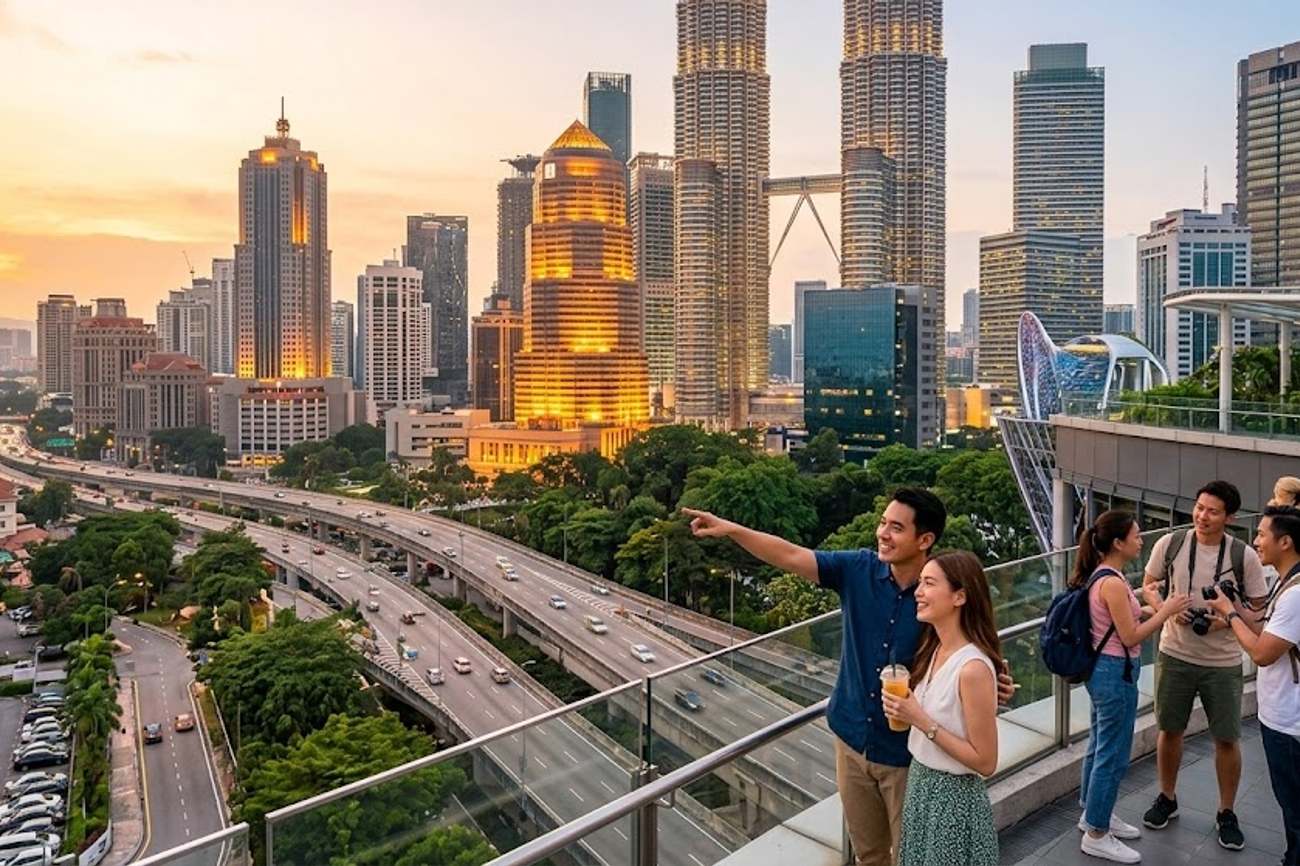
Image generated by AI
42.2 million international visitors arrived in Malaysia in 2025, marking an 11.2% surge over the previous year. This growth trajectory continued into 2026, with the first half of the year recording 21.12 million arrivals, a 2.5% year-on-year increase. These figures are not merely a reflection of post-pandemic recovery but signal a fundamental shift in consumer behavior: the rise of the "repeat visitor." Malaysia now ranks fourth in Asia for repeat travel appeal, trailing only Japan, Thailand, and Vietnam, and edging out Indonesia.
The Mechanics of Repeat Visitation in Southeast Asia
The transition from "checklist tourism"—where travelers visit a country once to see primary landmarks—to "depth tourism" is redefining the regional economy. Malaysia is capitalizing on this by positioning itself as a multi-faceted destination. Rather than competing on a single strength, the country leverages a diversified portfolio that allows a traveler to experience a modern metropolis, a colonial heritage town, and a prehistoric rainforest within a single national border.
This strategy mitigates the risk of destination fatigue. A tourist who spent their first trip navigating the shopping districts of Kuala Lumpur is incentivized to return for the ecological diversity of Sabah or the street food culture of Penang. This creates a sustainable revenue loop where the cost of customer acquisition decreases over time as the visitor develops a personal emotional connection to the destination.
Regional Competitive Benchmarking and Data
Malaysia’s ascent in the repeat-visit rankings is a result of strategic positioning against its neighbors. While Thailand dominates in wellness and beaches, and Vietnam captures the heritage-value segment, Malaysia occupies a unique intersection of urbanity and nature.
| Destination | Primary Repeat Appeal Driver | Market Position |
|---|---|---|
| Japan | Seasonal experiences & urban culture | 1st |
| Thailand | Hospitality & coastal tourism | 2nd |
| Vietnam | Coastal destinations & heritage value | 3rd |
| Malaysia | Regional connectivity & cultural diversity | 4th |
| Indonesia | Nature & archipelago exploration | 5th |
The infrastructure supporting this growth is not accidental. The International Air Transport Association (IATA) has long noted the importance of regional connectivity in driving short-haul tourism. Malaysia has mirrored this by improving air connectivity and digital travel services, reducing the friction for regional travelers from neighboring Asian markets to make frequent, shorter trips.
Expert Analysis: The "Culinary Anchor" and Economic Loyalty
From a journalistic and economic perspective, the most significant driver of Malaysia's repeat visitation is not its architecture or its beaches, but its food security as a cultural product. In the travel industry, we refer to this as a "culinary anchor." When a destination successfully integrates Malay, Chinese, Indian, and indigenous flavors into a cohesive street-food ecosystem, it creates a sensory memory that is more powerful than a visual one.
For travelers booking routes into George Town or Kuala Lumpur, the direct consequence of this culinary diversity is a shift in spending patterns. Repeat visitors are less likely to stay in isolated luxury resorts and more likely to engage with local economies through street markets and regional eateries. This distributes tourism wealth more evenly across the population than traditional high-end tourism.
Furthermore, the pricing pressure created by the competition between Malaysia, Thailand, and Vietnam prevents the "luxury bubble" from pricing out the mid-market traveler. By maintaining a balance of affordable experiences and high-end infrastructure, Malaysia ensures that it remains accessible for the frequent visitor who may visit three times in five years rather than once in a decade.
Malaysia's tourism industry is experiencing a significant revival, driven by repeat visitors who are drawn to the country's rich cultural heritage and natural beauty. According to the Malaysia Tourism Board, the country has seen a steady increase in tourist arrivals, with many visitors returning to explore more of what Malaysia has to offer. This resurgence in tourism is expected to continue, with the government implementing various initiatives to enhance the visitor experience.
The shift toward sustainability is the next critical pivot. As the Ministry of Tourism, Arts and Culture Malaysia and other regulatory bodies recognize the strain of 40+ million annual visitors, the focus is shifting toward "responsible travel." For the nomad lawyer or the high-frequency traveler, this likely means the introduction of more stringent visitor management systems in fragile ecosystems like those found in Sarawak or the Perhentian Islands.
Key Takeaways
- Volume Growth: Malaysia saw a record 42.2 million visitors in 2025 (up 11.2%) and 21.12 million in H1 2026 (up 2.5%).
- Regional Standing: Malaysia is now the 4th most appealing Asian destination for repeat visitors, emphasizing diversity and connectivity.
- Strategic Diversification: The country avoids "one-hit wonder" status by offering distinct experiences across different regions (e.g., Langkawi for beaches, Sabah for wildlife, Penang for heritage).
- Economic Driver: Food tourism acts as a primary loyalty mechanism, encouraging travelers to return to explore multicultural culinary traditions.
- Future Pivot: Growth is now being balanced with sustainable tourism goals to protect natural assets and support local communities.
FAQ: Malaysia Travel 2026
Why are so many people returning to Malaysia for second or third trips? Malaysia offers vastly different experiences in different regions. A visitor can experience a high-tech city in Kuala Lumpur, colonial history in Penang, and rainforests in Sarawak, making it feel like multiple countries in one.
Which Malaysian destinations are best for food-focused travel? Penang and Kuala Lumpur are the primary hubs for culinary tourism, offering a blend of Malay, Chinese, and Indian influences, specifically through street food markets and traditional eateries.
How has travel access to Malaysia changed recently? The government has invested heavily in air connectivity and digital travel services, making it significantly easier for international arrivals to plan trips and move between regional hubs.
What are the best nature destinations in Malaysia for eco-tourism? Sabah is renowned for Mount Kinabalu and wildlife, Sarawak for its indigenous culture and rainforests, and the Perhentian and Tioman Islands for diving and marine experiences.
The shift from sightseeing to "deep experiencing" suggests that Malaysia is no longer just a stopover, but a permanent fixture in the global traveler's rotation.
Tags: Malaysia Tourism 2026, George Town Heritage, Kuala Lumpur Connectivity, Southeast Asia Repeat Travel, Sabah Eco-Tourism, Malaysian Food Tourism
Related Travel Guides
- New York Stands With Orlando and More as USA Christmas Travel Rethinks Accessibility for Disabled Guests 2026
- India Joins China, UAE and More as AI-Powered Travel Planning Transforms Global Tourism Experiences: All You Need to Know
- US Cohorts With Canada Brazil Cameroon And More As Hotel & Shop Plus 2027 Opens Shanghai Stage For 130000 Industry Professionals
Disclaimer
This article is for informational and educational purposes only. It does not constitute legal, financial, or professional advice. While we strive to provide accurate and up-to-date information, travel policies, regulations, and conditions change rapidly. Always verify information with official sources before making travel decisions. Nomad Lawyer makes no representations about the accuracy, reliability, completeness, or suitability of the information provided. Readers should consult qualified professionals for advice specific to their circumstances. The views expressed in this article are those of the author and do not necessarily reflect the views of Nomad Lawyer.
Raushan Kumar
Founder & Lead Developer
Full-stack developer with 11+ years of experience and a passionate traveller. Raushan built Nomad Lawyer from the ground up with a vision to create the best travel and law experience on the web.
Learn more about our team →