
Malaysia Airlines Launches China-Japan Routes: Shenzhen, Changsha, and Fukuoka Connections Begin July 2026
Malaysia Airlines expands Asia network with daily flights to Shenzhen and Changsha from July 2026, plus Fukuoka return in September. New routes include Airbus A330neo aircraft and bonus domestic side trips.

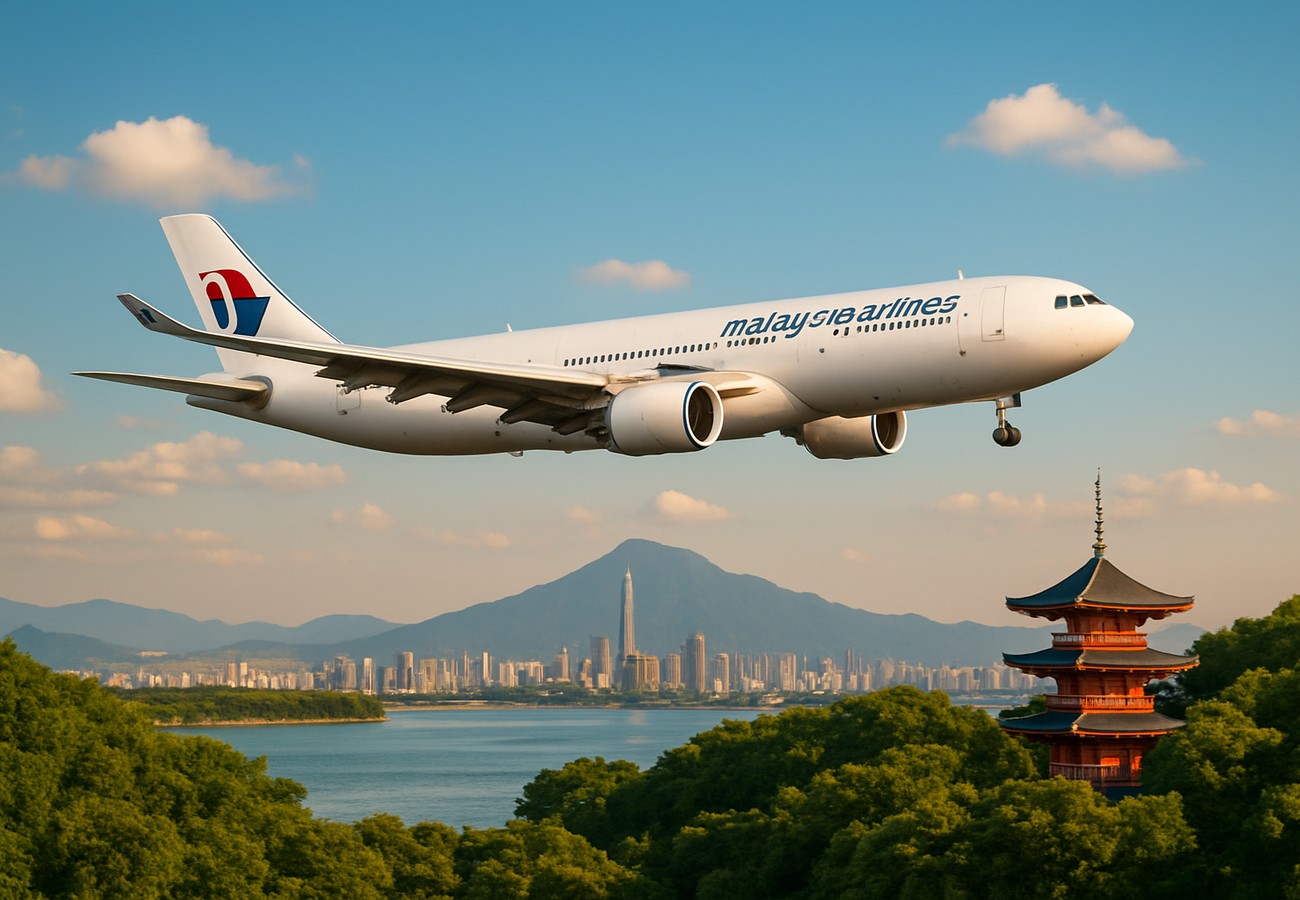
Image generated by AI
Strategic Network Expansion Signals Asia Travel Surge
Malaysia Airlines is significantly strengthening its regional network through a strategic expansion that will reshape connectivity across Asia. Beginning July 1, 2026, the airline will launch daily flights from Kuala Lumpur to Shenzhen and Changsha, followed by a highly anticipated return to Fukuoka in September 2026. This expansion reflects the robust recovery of intra-Asia tourism demand and positions Malaysia Airlines as a competitive hub carrier in Southeast Asia.
The expansion comes at a pivotal moment when Asia-Pacific tourism is witnessing strong recovery. According to global aviation data trends, regional passenger demand has been steadily climbing, driven by relaxed travel policies and growing middle-class travel appetite across Asia. Kuala Lumpur continues to function as a strategic aviation hub in Southeast Asia, offering efficient transit connectivity between South Asia, Oceania, and Northeast Asia.
Shenzhen: China's Innovation Powerhouse Meets Tourism Appeal
Positioned near Hong Kong, Shenzhen has evolved into a global symbol of technology-driven urban growth. Often dubbed China's Silicon Valley, the city is home to major tech and electric vehicle giants, making it a hotspot for business travel.
However, Shenzhen's appeal extends far beyond corporate corridors. The city offers travelers a compelling mix of experiences:
- Scenic waterfronts like Shenzhen Bay Park
- Cultural attractions including theme parks featuring global landmarks
- Expansive retail districts catering to luxury and budget shoppers
- Business tourism opportunities for corporate travelers
For travel planners, Shenzhen represents a high-value destination combining business tourism, leisure experiences, and urban exploration—making it a strategic addition to Malaysia Airlines' route network.
Changsha: A Rising Cultural Gateway With Untapped Tourism Potential
Changsha, the capital of Hunan Province, represents a growing trend in Asia tourism—secondary cities gaining prominence as travelers seek less crowded, culturally immersive destinations. With a history spanning over 3,000 years, the city blends ancient heritage with vibrant modern lifestyle.
Key attractions include:
- Yuelu Mountain, known for its lush landscapes and cultural significance
- Orange Isle, a scenic retreat along the Xiang River
- Proximity to Zhangjiajie National Park, famous for its towering sandstone formations and UNESCO recognition
Changsha's inclusion in Malaysia Airlines' network signals a strategic shift toward diversified travel demand, where tourists increasingly seek authentic cultural experiences beyond major metropolitan hubs.
Fukuoka Returns as Japan's Culinary and Cultural Gem
Fukuoka's reintroduction into the airline's network strengthens connectivity between Southeast Asia and Japan's Kyushu region. Known for its relaxed atmosphere, Fukuoka offers an appealing alternative to more crowded cities like Tokyo and Osaka.
Tourism highlights include:
- Historic temples and traditional Japanese architecture
- Coastal experiences along Hakata Bay
- Renowned street food culture, especially open-air dining stalls
Japan has seen a steady increase in international visitor arrivals, and Fukuoka's accessibility positions it as a gateway for regional tourism dispersal, easing pressure on major metropolitan hubs.
Travel Hack: Bonus Side Trip Program Enhances Multi-Destination Itineraries
One of the most attractive features of Malaysia Airlines' offering is its Bonus Side Trip program, which allows travelers to add a domestic Malaysian destination at minimal cost. This initiative aligns with the growing trend of multi-destination travel itineraries, where tourists seek to maximize value and experiences within a single trip.
Passengers transiting through Kuala Lumpur can include return flights to destinations such as:
- Langkawi (beach tourism hotspot)
- Penang (heritage and culinary hub)
- Kota Bharu (cultural and traditional experiences)
From a tourism economics perspective, such programs encourage longer stays and higher spending within Malaysia, benefiting the broader travel ecosystem.
Elevated Passenger Experience With Airbus A330neo
Malaysia Airlines is upgrading its onboard product with the introduction of the Airbus A330neo, currently operating on select long-haul routes. These aircraft feature significant enhancements:
- Private business class suites with sliding doors
- Improved cabin acoustics for a quieter journey
- Advanced LED lighting for passenger comfort
- Larger overhead storage and faster onboard Wi-Fi
These upgrades reflect a broader industry trend toward premiumization of air travel, where airlines compete on comfort, privacy, and digital connectivity.
Booking Trends and Loyalty Incentives Driving Demand
Travelers booking directly through Malaysia Airlines gain access to:
- Promotional fares for new destinations
- Flexible ticketing options with minimal change penalties
- Additional discounts for frequent flyer program members
Loyalty programs remain a critical driver in airline revenue strategies, with data suggesting that frequent flyer members contribute significantly to repeat bookings and ancillary revenue generation.
Travel Planning Insight: Best Time and Strategy for Visiting These Destinations
For travelers considering these routes, timing and planning are essential:
- Shenzhen and Changsha are best visited between autumn and spring for comfortable weather
- Fukuoka offers peak experiences during cherry blossom season and autumn foliage periods
- Early booking can secure promotional fares and better seat availability
Additionally, combining destinations through Kuala Lumpur enables efficient route planning, especially for travelers from South Asia and Australia.
What This Means for Travelers
This expansion creates significant opportunities for multiple traveler segments:
Business Travelers: Direct access to Shenzhen's tech hub and Changsha's growing commercial centers reduces travel time and improves connectivity.
Leisure Tourists: The Bonus Side Trip program enables cost-effective multi-destination experiences, allowing visitors to explore Malaysia alongside China and Japan in a single journey.
Digital Nomads: Enhanced connectivity and modern aircraft amenities make these routes attractive for remote workers seeking to explore Asia's fastest-growing cities.
Budget-Conscious Travelers: Promotional fares and flexible ticketing options provide greater accessibility to premium destinations.
Asia Aviation Outlook: What This Expansion Means for the Industry
Malaysia Airlines' expansion reflects a broader shift in aviation strategy across Asia. Airlines are increasingly focusing on:
- Strengthening regional connectivity between key markets
- Targeting emerging secondary cities with untapped tourism potential
- Enhancing passenger experience through fleet modernization
According to the International Air Transport Association (IATA), Asia is expected to remain one of the fastest-growing aviation markets globally. Such route expansions play a crucial role in shaping future travel corridors and tourism flows across the region.
The Bigger Picture: A New Era of Seamless Asia Travel
This expansion is more than just additional routes—it represents a recalibration of how travelers explore Asia. By linking Malaysia, China, and Japan more efficiently, Malaysia Airlines is enabling smoother, more flexible journeys across diverse destinations.
For the travel industry, this signals a strong recovery phase where connectivity, passenger experience, and strategic hub positioning drive competitive advantage. The expansion demonstrates confidence in sustained demand for intra-Asia travel and reflects evolving traveler preferences toward secondary cities, cultural immersion, and seamless multi-destination experiences.
As Asia's travel corridors continue to heat up, Malaysia Airlines' strategic positioning as a regional connector positions the airline—and Kuala Lumpur as a hub—to capture significant market share in one of the world's most dynamic aviation markets.
Related Travel Guides
Disclaimer
This article is for informational and educational purposes only. It does not constitute legal, financial, or professional advice. While we strive to provide accurate and up-to-date information, travel policies, regulations, and conditions change rapidly. Always verify information with official sources before making travel decisions. Nomad Lawyer makes no representations about the accuracy, reliability, completeness, or suitability of the information provided. Readers should consult qualified professionals for advice specific to their circumstances. The views expressed in this article are those of the author and do not necessarily reflect the views of Nomad Lawyer.
Kunal K Choudhary
Co-Founder & Contributor
A passionate traveller and tech enthusiast. Kunal contributes to the vision and growth of Nomad Lawyer, bringing fresh perspectives and driving the community forward.
Learn more about our team →