
Makkah Steps Up With Riyadh And Others As Saudi Arabia Ignites A Powerful Hospitality Revolution With 110000 New Hotel Rooms Driving Tourism Growth
Makkah Steps Up With Riyadh And Others As Saudi Arabia Ignites A Powerful Hospitality Revolution With 110000 New Hotel Rooms Driving Tourism Growth

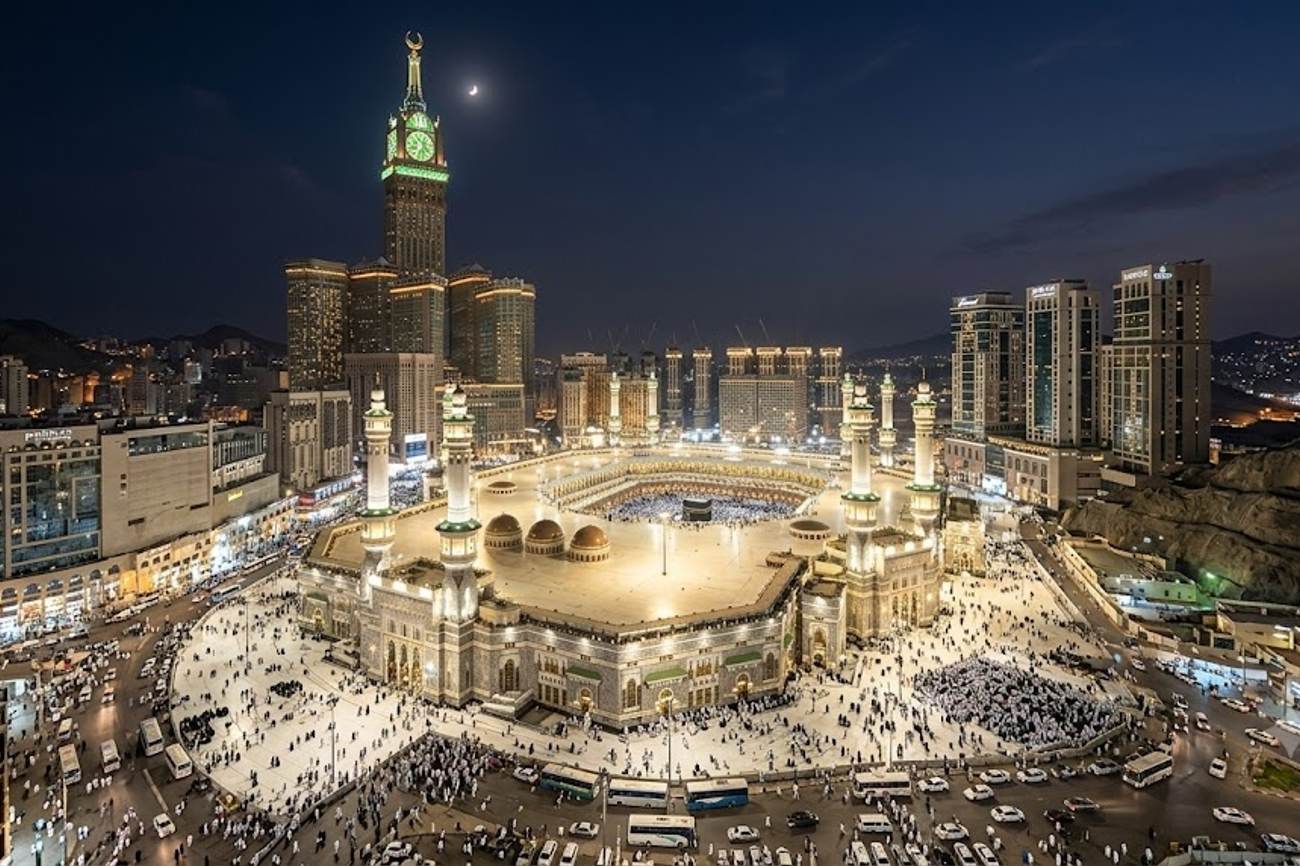
Image generated by AI
Saudi Arabia’s hotel pipeline has surged to 110,000 rooms, now representing nearly 50% of the total development pipeline for the entire GCC and North Africa region. This aggressive expansion marks a pivot from traditional religious tourism toward a diversified hospitality economy, where the Kingdom is effectively out-building its regional neighbors to capture a larger share of the global luxury and business travel markets.
The Saudi Hospitality Surge in Numbers
The scale of the current expansion is driven by a systemic overhaul of the national economy. With approximately 110,000 rooms currently under construction or in the planning phases, Saudi Arabia is not merely adding capacity but is restructuring its entire hospitality offering. To put this in perspective, the broader GCC and North Africa region is seeing a total investment of $90 billion, which is projected to yield nearly 200,000 new rooms. This means Saudi Arabia alone is accounting for over half of the regional growth trajectory.
The internal breakdown of this pipeline reveals a two-pronged strategy: immediate capacity and long-term vision. Currently, 88,000 rooms are physically under construction, while another 25,000 rooms are in advanced planning stages. This pipeline is the engine driving the Kingdom toward a massive target of exceeding 550,000 total hotel rooms by 2030.
This growth is not uniform but is strategically distributed across three distinct tiers of destinations:
- Urban Hubs: Riyadh is seeing a surge in international brands and business-centric properties to support its role as a global conference and corporate center.
- Religious Centers: Makkah and Madinah continue to expand, focusing on high-quality accommodation and increased capacity to handle the consistent flow of pilgrims.
- Giga-Projects: NEOM, the Red Sea, Amaala, and Diriyah are introducing futuristic, luxury, and wellness-focused resorts that target a completely different demographic—the ultra-high-net-worth international traveler.
Comparative Regional Pipeline Analysis
When comparing Saudi Arabia to the wider Middle East and North Africa (MENA) region, the disparity in development velocity is stark. While other GCC nations are focusing on maintaining occupancy rates and refreshing existing stock, Saudi Arabia is building entirely new cities from the ground up. According to data trends often tracked by STR, the shift toward "integrated hospitality"—where hotels are blended with branded residences and retail—is more prevalent in the Saudi pipeline than in traditional regional markets.
The following table illustrates the distribution of the regional hotel pipeline and the specific targets for the Kingdom.
| Metric | Saudi Arabia (KSA) | GCC & North Africa (Total) | % KSA Contribution |
|---|---|---|---|
| Planned/Under Construction Rooms | 110,000 | ~200,000 | 55% |
| Total Investment (Regional) | Part of $90B | $90 Billion | N/A |
| Rooms Under Construction | 88,000 | Not Specified | N/A |
| Rooms in Advanced Planning | 25,000 | Not Specified | N/A |
| 2030 Total Room Target | 550,000+ | N/A | N/A |
This data indicates a market capture strategy. By controlling over half of the regional pipeline, Saudi Arabia is positioning itself to be the primary gateway for luxury and business travel in the Middle East, potentially diverting traffic that previously flowed toward established hubs like Dubai or Doha.
Practical Traveler Advisory and Strategic Insights
The sheer volume of new inventory entering the market will fundamentally change the traveler experience in the Kingdom over the next 36 months. For the individual traveler, this means three primary shifts:
1. Price Volatility and Competition: With 110,000 new rooms hitting the market, we expect a period of intense price competition, particularly in the luxury segment. As international brands compete for occupancy in Riyadh and the new giga-projects, travelers may find high-end luxury accessible at lower price points during the initial "ramp-up" phases of these hotels.
2. Diversification of Experience: Travelers are no longer limited to standard business hotels or pilgrimage-focused lodging. The development of Amaala (wellness/arts) and the Red Sea (environmental/exclusive) means that Saudi Arabia is now a viable destination for "slow travel" and wellness retreats. If you are planning a luxury trip in 2026 or 2027, you will have options ranging from futuristic urbanism in NEOM to heritage-based luxury in Diriyah.
3. Booking Windows for Religious Travel: While Makkah and Madinah are expanding, the demand remains inelastic. However, the addition of high-quality, modern hotels near key visitor areas means travelers can now seek "premium" pilgrimage experiences. For those visiting during peak seasons, the increased room supply should eventually ease the extreme scarcity seen in previous years, though booking 12-16 weeks in advance remains the safest strategy for the best properties.
The Trajectory of the Global Hotel Powerhouse
The current trajectory suggests that Saudi Arabia is attempting to decouple its tourism industry from the seasonal nature of religious travel. By investing in NEOM and the Red Sea, the Kingdom is betting on the "Experience Economy." The integration of branded residences and entertainment facilities into hotel developments signals a shift toward "destination resorts" where the guest never needs to leave the property.
Based on current UNWTO and IATA growth patterns for the region, the success of this 110,000-room expansion depends on the simultaneous growth of air connectivity. The hotel rooms are the "hardware," but the "software"—the visas, the flight routes, and the events—must scale at the same rate. If the 550,000-room target is met by 2030, Saudi Arabia will move from being a niche destination to a global hospitality powerhouse, capable of hosting the world's largest corporate and leisure events.
The move toward public-private partnerships is the final piece of the puzzle. By attracting international developers to share the risk, the Saudi government is ensuring that these hotels are managed to global standards, which is essential for attracting the Western and Asian luxury markets.
FAQ: Saudi Arabia Hotel Expansion 2024-2030
Will hotel prices in Riyadh and Makkah increase? Short-term prices may remain high due to demand, but the addition of 110,000 rooms across the Kingdom will eventually create more competitive pricing and a wider range of budget-to-luxury options for travelers.
Is now a good time to book luxury stays in NEOM or the Red Sea? Since many of these are "futuristic" projects with staggered opening dates, travelers should monitor official opening announcements. These destinations will likely launch with exclusive "founder" packages and introductory rates.
Which cities are seeing the most growth? Riyadh is the leader for business and international brands, while Makkah and Madinah lead in volume for religious tourism. NEOM and the Red Sea are the primary hubs for luxury and sustainable tourism.
How does this affect the rest of the Middle East? Saudi Arabia is capturing over 50% of the regional pipeline, which puts pressure on other GCC cities to innovate their offerings to remain competitive for international luxury and corporate travelers.
The Kingdom is no longer just building hotels; it is engineering a new global center of gravity for the hospitality industry.
Related Travel Guides
Disclaimer
This article is for informational and educational purposes only. It does not constitute legal, financial, or professional advice. While we strive to provide accurate and up-to-date information, travel policies, regulations, and conditions change rapidly. Always verify information with official sources before making travel decisions. Nomad Lawyer makes no representations about the accuracy, reliability, completeness, or suitability of the information provided. Readers should consult qualified professionals for advice specific to their circumstances. The views expressed in this article are those of the author and do not necessarily reflect the views of Nomad Lawyer.
Kunal K Choudhary
Co-Founder & Contributor
A passionate traveller and tech enthusiast. Kunal contributes to the vision and growth of Nomad Lawyer, bringing fresh perspectives and driving the community forward.
Learn more about our team →