
Maine Travel Boom Accelerates as Spring Hotel Demand Surges Across Scenic New England
Maine tourism expands into a four-season powerhouse as spring hotel bookings rise, building upon 14.15 million visitors and a $16.56 billion economic impact.

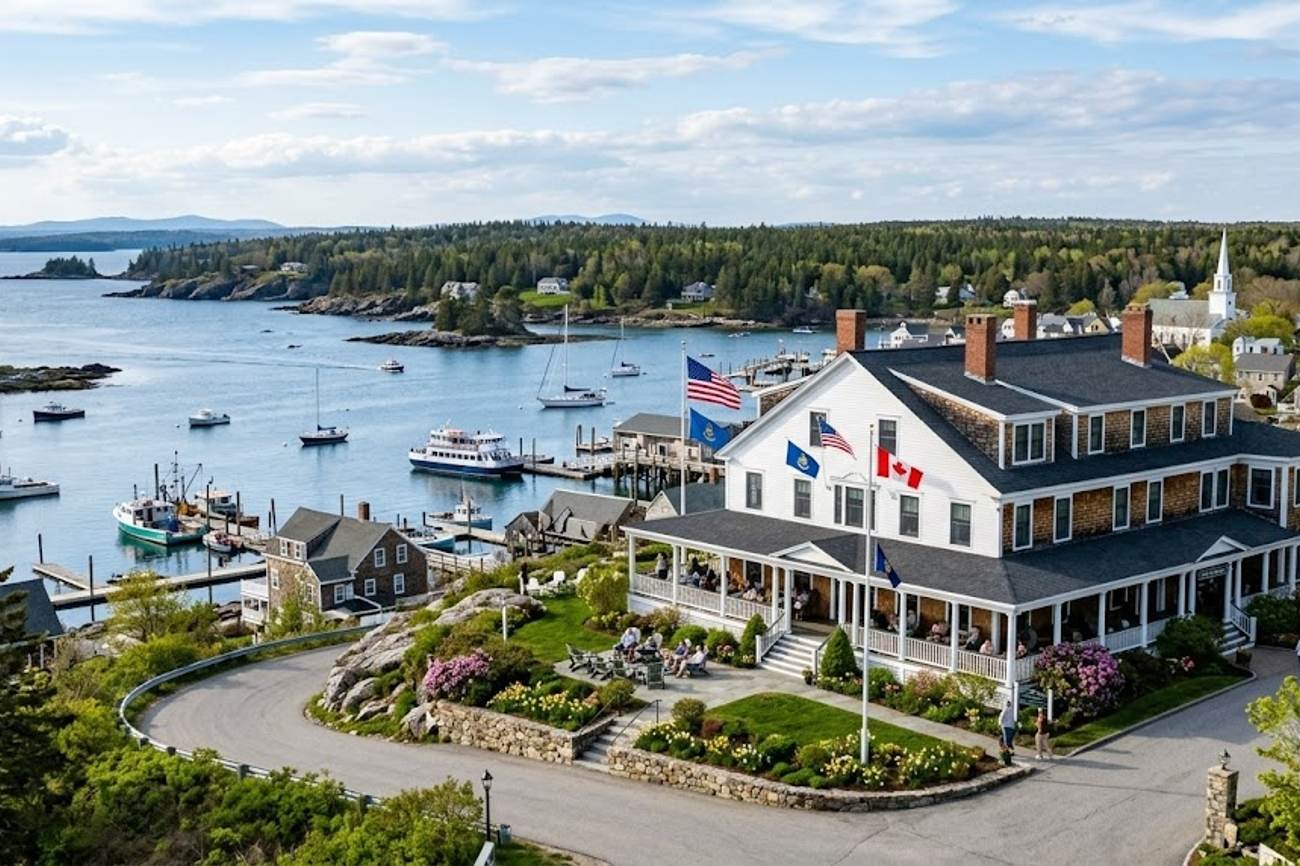
Image generated by AI
While most vacationers assume Maine hibernates until the July Fourth holiday rush, 14.15 million visitors generated an immense $16.56 billion economic impact by steadily claiming the state's quiet spring shoulder season. Research from the Maine Office of Tourism reveals that direct visitor spending surpassed $9.37 billion while sustaining 108,800 regional jobs in 2025, driven by an accelerating migration toward spring getaways between April and early June. By trading mid-summer traffic bottlenecks on Route 1 for crisp maritime breezes, uncrowded coastal granite trails, and freshly tapped maple syrup houses, independent travelers are breaking New England’s traditional seasonal monopoly.
The Reimagined Shoulder Season: Maine Beyond the Summer Peak
For generations, Maine’s visitor economy was trapped in a frantic 90-day sprint. Small harbors and seasonal inns crammed the vast majority of their annual operational revenue into July and August, leading to saturated parking lots, overstretched staffing, and winter shutdowns. The surge in spring hotel bookings reflects a profound recalibration in how travelers approach the Northeast. Rather than chasing crowded mid-summer beaches, visitors are intentionally choosing the shoulder months to engage with coastal communities at a calmer, more reflective tempo.
This transition stabilizes small businesses across the Pine Tree State. Spring lodging demand provides cash flow for family-run maritime inns, independent seafood shacks, and regional outfitters long before peak holiday crowds arrive. Travelers exploring between April and June discover an unhurried atmosphere across key coastal gateways:
- Portland and Casco Bay: Renowned for brick-paved wharves and award-winning dining rooms, the city offers seamless restaurant reservations and tranquil morning walks along the Eastern Promenade before cruise ships dock.
- The Midcoast Enclaves of Camden and Rockland: Working fishing harbors where schooner fleets prepare their rigging for the sailing season and contemporary art galleries in historic brick warehouses open their seasonal exhibitions.
- Mount Desert Island and Bar Harbor: The primary gateway to Acadia, where mountain trails, historic carriage roads, and shoreline paths are free from mid-summer vehicle queues.
- Southern Coastal Havens like Kennebunkport: Peaceful tidal beaches, blooming coastal gardens, and historic sea captain mansions that can be explored on foot without bumper-to-bumper beach traffic.
By encouraging extended stays outside the summer window, Maine is building a balanced four-season economy that reduces municipal strain on sensitive coastal infrastructure.
What Makes Springtime in Maine Different
Spring in Maine possesses an earthy, invigorating rhythm unknown to summer-only tourists. In late April and May, the coastal wilderness reawakens with raw maritime energy. Snowdrifts melt off granite headlands, migratory warblers and seabirds return to coastal spruce groves, and roadside marshlands bloom with native flora beneath pale northern sunlight.
The centerpiece of this seasonal awakening is Acadia National Park. In spring, the iconic 27-mile Park Loop Road and the historic crushed-stone carriage roads engineered by John D. Rockefeller Jr. are populated by quiet cyclists and hikers rather than endless tour buses. Climbing trails up granite peaks like Cadillac Mountain or walking along the dramatic rock bluffs of Ocean Path offers intimate solitude, with the crash of North Atlantic surf echoing against the pink granite cliffs of Thunder Hole without a crowd in sight.
Gastronomy in spring is equally distinctive. While summer focuses on chilled lobster rolls served on paper plates, spring brings cold-water delicacy: tender Gulf of Maine mahogany clams, sweet winter-harvested Damariscotta River oysters plumped by icy waters, and early fiddlehead ferns foraged from riverbanks. Bakeries and wood-fired kitchens incorporate wild blueberries and late-winter maple syrups into rustic tarts, showcasing an authentic connection to the surrounding woods and waters.
Visitor Insider Tips
Experiencing coastal and inland Maine during the spring thaw requires local know-how to navigate shifting Atlantic weather and regional opening schedules.
- Navigating the Weather and Packing Wisely: New England spring weather is notoriously changeable, swinging from crisp 15-degree-Celsius sunny afternoons to foggy, damp coastal chills within hours. The local rule is to dress in strategic layers: moisture-wicking base garments, a warm wool or fleece mid-layer, and a reliable windproof, waterproof rain shell. Quality waterproof hiking boots with Vibram soles are essential, as forest paths and granite ledges can remain slick with snowmelt and mud through early May.
- Transit Tactics and Route 1 Strategies: Avoid relying solely on GPS navigation along congested stretches of Route 1. Instead, take scenic detours along peninsular finger roads—such as Route 131 down to St. George and Port Clyde, or Route 32 through Bremen and Round Pond. These coastal bypasses reveal untouched boatbuilding coves, working lobster wharves, and peaceful salt marshes without highway delays.
- Attraction Hours and Seasonal Opening Windows: While state parks and national park trails remain open year-round, some boutique bed-and-breakfasts, island ferry routes, and seaside lobster pounds do not open full-time until Memorial Day weekend in late May. Check operating schedules in advance, or call properties directly; spring innkeepers often provide generous room upgrades and personalized recommendations when occupancy is calm.
- Authentic Culinary Detours: Skip commercial harbor-front tourist traps and seek out local institutions. Head to working lobster co-ops where fishermen tie up their boats, such as the fisherman-owned wharves in South Thomaston or Stonington, to buy fresh catch directly. In Portland, wander the cobbled alleys of the Old Port for morning sourdough pastries, or drive out to Cape Elizabeth for scenic lighthouse viewing at Portland Head Light before ordering chowder at a quiet neighborhood tavern.
- Base Neighborhood Recommendations: For an active cultural weekend, base yourself in Portland's historic West End, surrounded by Victorian architecture and quiet tree-lined streets. For nature lovers heading to Acadia, stay in Northeast Harbor or Southwest Harbor on the "quiet side" of Mount Desert Island, which offers immediate access to hiking trailheads without the tourist congestion of downtown Bar Harbor.
Cultural and Environmental Context
The growth of spring tourism directly touches the fabric of coastal Maine communities. For centuries, maritime life here has been guided by seasonal marine rhythms: lobstering, groundfishing, boatbuilding, and timber harvesting. When mass tourism expanded rapidly in the late 20th century, it created a severe seasonal divide that escalated local housing costs, drove out young working families, and strained small municipal water and sanitation utilities.
By actively redistributing visitor arrivals across the spring and autumn shoulder months, the state fosters a far more sustainable civic model. Year-round tourism revenue provides steady, permanent employment for 108,800 workers, replacing precarious seasonal jobs with year-round careers in hospitality, culinary arts, and guiding.
At the same time, environmental stewardship is imperative along this fragile coast. Maine's rocky intertidal zones, tidal estuaries, and alpine granite summits host delicate lichen, saltmarsh sparrows, and nesting puffins that are easily disrupted by heavy foot traffic. The state's sustainable travel programs urge visitors to practice strict Leave No Trace principles, stay on marked granite paths in Acadia to prevent soil erosion, and support local land trusts that protect working waterfronts from overdevelopment. Traveling in spring honors this stewardship, allowing visitors to appreciate the state's natural grandeur while helping preserve the authentic maritime heritage of coastal communities.
FAQ: Visiting Maine 2026
What makes spring an ideal time to visit Maine? Spring offers peaceful coastal towns, empty hiking paths in Acadia, easier lodging and restaurant reservations, and cooler temperatures perfect for cycling and outdoor exploration before summer peak crowds arrive.
Is Acadia National Park fully open during spring? Most hiking trails and carriage roads are open, though sections of the Park Loop Road and Cadillac Summit Road may open seasonally based on snowmelt; spring visitors enjoy quiet, unhurried park exploration.
What regional foods are featured during springtime in Maine? Spring highlights icy cold-water Damariscotta oysters, freshly harvested mahogany clams, foraged riverbank fiddleheads, wild blueberries, and local seafood served in authentic working harbor shacks.
How should travelers dress for spring conditions along the coast? Wear layered clothing including fleece mid-layers, windproof waterproof outer jackets, and sturdy waterproof hiking boots to handle sudden weather shifts, ocean fog, and damp forest trails.
When the morning fog lifts over Maine’s granite coves, it reveals a resilient coastline where ancient tides and quiet harbors tell America’s most enduring maritime story.
Related Travel Guides
Disclaimer
This article is for informational and educational purposes only. It does not constitute legal, financial, or professional advice. While we strive to provide accurate and up-to-date information, travel policies, regulations, and conditions change rapidly. Always verify information with official sources before making travel decisions. Nomad Lawyer makes no representations about the accuracy, reliability, completeness, or suitability of the information provided. Readers should consult qualified professionals for advice specific to their circumstances. The views expressed in this article are those of the author and do not necessarily reflect the views of Nomad Lawyer.
Preeti Gunjan
Contributor & Community Manager
A passionate traveller and community builder. Preeti helps grow the Nomad Lawyer community, fostering engagement and bringing the reader experience to life.
Learn more about our team →