
Madinah Pilgrimage Transport: Swvl Launches 24/7 Hotel Shuttle Network
Madinah Pilgrimage Transport: Swvl Launches 24/7 Hotel Shuttle Network

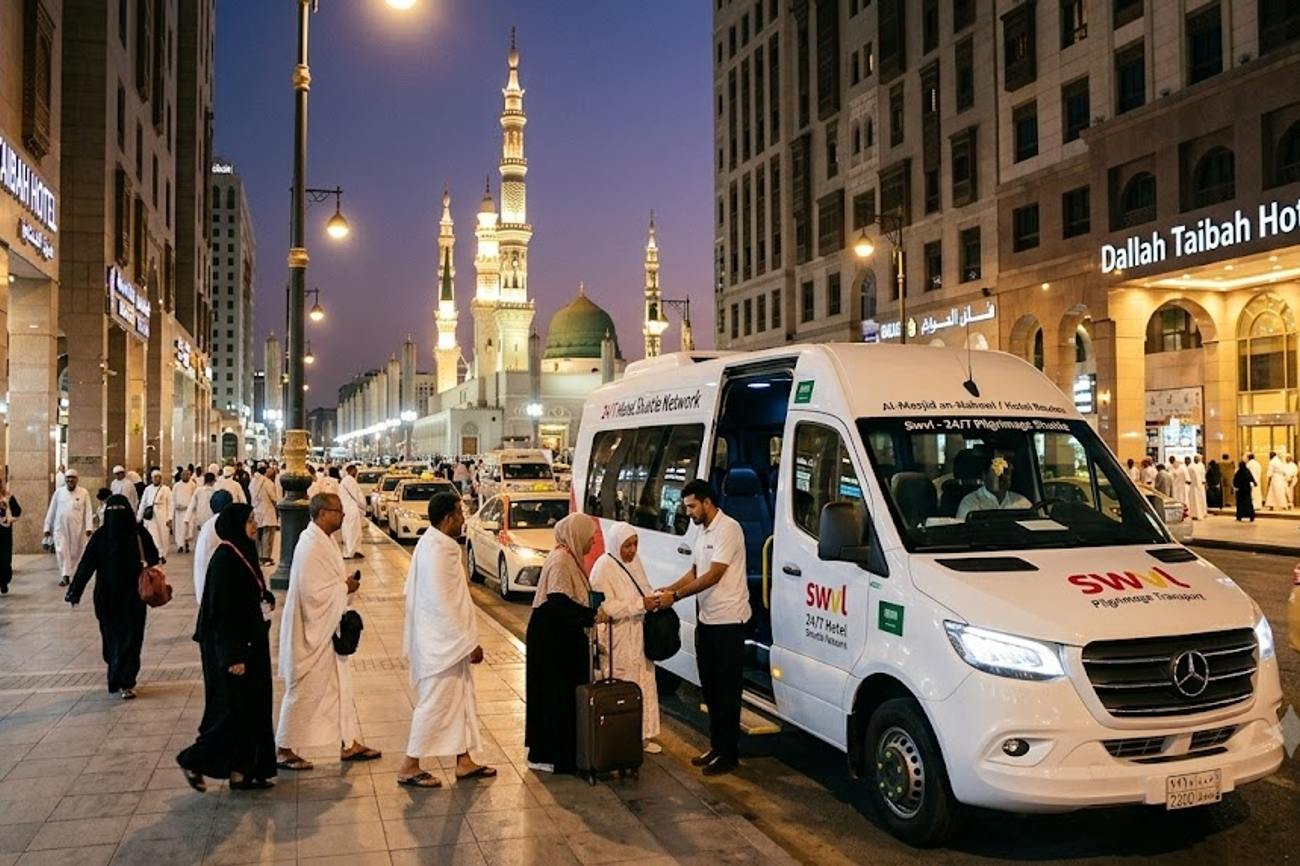
Image generated by AI
Saudi Arabia’s tourism infrastructure is pivoting from fragmented private transit to integrated mass mobility, as evidenced by the transition from erratic street-hailing to the launch of Swvl’s 24/7 shuttle network in Madinah. This shift occurs against a backdrop where the Kingdom is aggressively scaling its hospitality capacity to meet the targets of Vision 2030, moving away from a reliance on hotel-arranged group buses and private taxis toward app-controlled, scalable transit corridors.
The Madinah Mobility Shift in Numbers
The deployment of Swvl Holdings Corp (Nasdaq: SWVL) in Madinah represents a targeted surgical strike on urban congestion. The current operational framework focuses on a high-density corridor linking seven major hotels directly to Al-Masjid an-Nabawi and primary cultural landmarks. By implementing a 24/7 operational cycle, the service removes the "peak hour" bottleneck that traditionally plagues pilgrimage seasons.
The data indicates that this is not merely a convenience service but a structural necessity. With millions of international arrivals entering the Kingdom annually, the reliance on traditional taxi services created significant friction points. The Swvl model replaces this with data-driven scheduling algorithms designed to reduce the cognitive load on the traveler. By integrating mass mobility directly into the hospitality experience, the service transforms the transit leg of the journey from a variable cost and time risk into a fixed, predictable utility.
According to reports from the World Travel & Tourism Council (WTTC), the Middle East is seeing a surge in "spiritual tourism" that requires specialized infrastructure. In Madinah, the movement of millions of people within a concentrated radius of the Prophet's Mosque necessitates a transition from individual vehicle trips to high-occupancy, tech-enabled shuttles. This transition is designed to maximize passenger throughput while minimizing the carbon footprint per traveler, aligning with the broader Saudi goal of creating sustainable smart cities.
Regional Transit Benchmarks and Comparative Context
To understand the scale of this shift, one must compare the traditional "fragmented" model of pilgrimage transport with the new "integrated" model. For decades, the Madinah transit ecosystem was characterized by a lack of transparency in pricing and timing. The introduction of app-tracked mobility introduces a layer of corporate accountability and real-time data that was previously absent in the local shuttle market.
The following table illustrates the shift in the operational paradigm for travelers visiting Madinah:
| Metric | Traditional Transit Model | Swvl Integrated Model |
|---|---|---|
| Availability | Erratic / Peak-dependent | Constant 24/7 Operation |
| Booking Method | Street-hailing / Hotel Desk | App-controlled / Digital |
| Route Predictability | Low (Variable paths) | High (Fixed corridors) |
| Price Structure | Negotiated / Variable | Standardized / Transparent |
| Tracking | None | Real-time App Tracking |
| Scale | Individual / Small Group | Mass Mobility / High Capacity |
When compared to other regional hubs, the Saudi approach is moving faster toward "mobility-as-a-service" (MaaS). While other religious tourism sites globally still rely on decentralized transport, the integration of Nasdaq-listed entities like Swvl into the Madinah hospitality loop suggests a move toward a fully digitized urban transit layer. Data from IATA suggests that the seamlessness of the "last mile"—the journey from the hotel to the destination—is a primary driver of overall guest satisfaction scores in high-volume tourism markets.
Practical Traveler Advisory and Strategic Insights
For the individual traveler or pilgrim planning a visit to Madinah, the data suggests a fundamental change in how to budget both time and money. The reliance on private taxis, which often involve price negotiations and unpredictable wait times during peak pilgrimage windows, is becoming obsolete for those staying at the seven partnered hotels.
If you are planning a trip to Madinah in the coming quarters, the following actionable strategies apply:
- Hotel Selection Strategy: Prioritize booking at the seven hotels currently integrated into the Swvl network. The ability to bypass street-hailing and utilize a 24/7 app-tracked shuttle significantly reduces the risk of transit delays during high-congestion periods.
- Time Management: Because the service operates on a 24/7 cycle, travelers can now schedule visits to Al-Masjid an-Nabawi and cultural sites during off-peak hours without fearing a lack of return transport. This allows for a more flexible itinerary that avoids the heaviest crowds.
- Digital Readiness: Ensure that the Swvl app is installed and verified prior to arrival. The shift toward "tech-enabled mass mobility" means that the fastest way to move through the city is now digital rather than physical.
Swvl, a leading transportation provider, has launched a 24/7 hotel shuttle network for Madinah pilgrimage, enhancing the travel experience for millions of visitors. The network is designed to facilitate seamless transportation between hotels and key pilgrimage sites, with passengers able to book their rides in advance through the Swvl website. This initiative is expected to reduce congestion and travel times, allowing pilgrims to focus on their spiritual journey. 4. Budgeting: Transition your transport budget from "variable taxi fares" to "standardized shuttle costs." This provides greater financial predictability for large groups or families.
The Trajectory of Saudi Mass Transit
The Madinah pilot is not an isolated event but a blueprint for a wider rollout. The successful integration of this seven-hotel corridor serves as a proof-of-concept for other regional tourism hubs across the Kingdom. As the Saudi Ministry of Tourism continues to push for higher annual visitor numbers, the demand for scalable, private-sector transit solutions will only increase.
We are moving toward a future of "integrated multimodal ticketing." This means that in the next 24-36 months, travelers will likely see a single digital token or app that covers their flight, hotel check-in, and shuttle transit from the airport to the hotel, and from the hotel to the holy sites. The data trajectory points toward the elimination of all "transit friction points."
Furthermore, as these systems collect more data on passenger flow, we can expect route optimization. Instead of fixed corridors, the systems will likely evolve into dynamic routing, where shuttles are deployed in real-time based on heat maps of traveler demand. This will further increase passenger throughput and reduce wait times, making the experience of visiting Madinah more efficient than almost any other high-volume pilgrimage site in the world.
FAQ: Madinah Transit Trends 2024-2025
Will shuttle prices be higher than traditional taxis? Likely not. Mass mobility models rely on volume rather than high individual margins. By consolidating passengers into larger shuttles, the cost per person typically drops compared to private taxi hires, especially during peak seasons when taxi prices often spike.
Is this the best time to book hotels in Madinah? Yes, specifically those integrated with the new Swvl network. As these corridors become the preferred method of transport, hotels with direct, app-enabled transit links will likely see higher occupancy rates and increased demand.
Which airlines are expanding to support this growth? While the news focuses on ground transit, the increase in ground mobility capacity is designed to support the surge in arrivals from carriers expanding their footprints into Saudi Arabia under the Vision 2030 framework.
Can I use this service if I am not staying at one of the seven hotels? The initial rollout is specifically targeted at the seven partnered hotels to establish a controlled, high-efficiency corridor. However, the trend indicates that this model will expand to more hospitality providers as the pilot proves successful.
The era of the unpredictable taxi ride in the holy city is ending, replaced by the precision of Nasdaq-backed mobility data.
Related Travel Guides
Disclaimer
This article is for informational and educational purposes only. It does not constitute legal, financial, or professional advice. While we strive to provide accurate and up-to-date information, travel policies, regulations, and conditions change rapidly. Always verify information with official sources before making travel decisions. Nomad Lawyer makes no representations about the accuracy, reliability, completeness, or suitability of the information provided. Readers should consult qualified professionals for advice specific to their circumstances. The views expressed in this article are those of the author and do not necessarily reflect the views of Nomad Lawyer.
Kunal K Choudhary
Co-Founder & Contributor
A passionate traveller and tech enthusiast. Kunal contributes to the vision and growth of Nomad Lawyer, bringing fresh perspectives and driving the community forward.
Learn more about our team →