
Madidi Aligns With Sajama and More in Bolivia’s Dazzling Tourism Revolution
Madidi Aligns With Sajama and More in Bolivia’s Dazzling Tourism Revolution

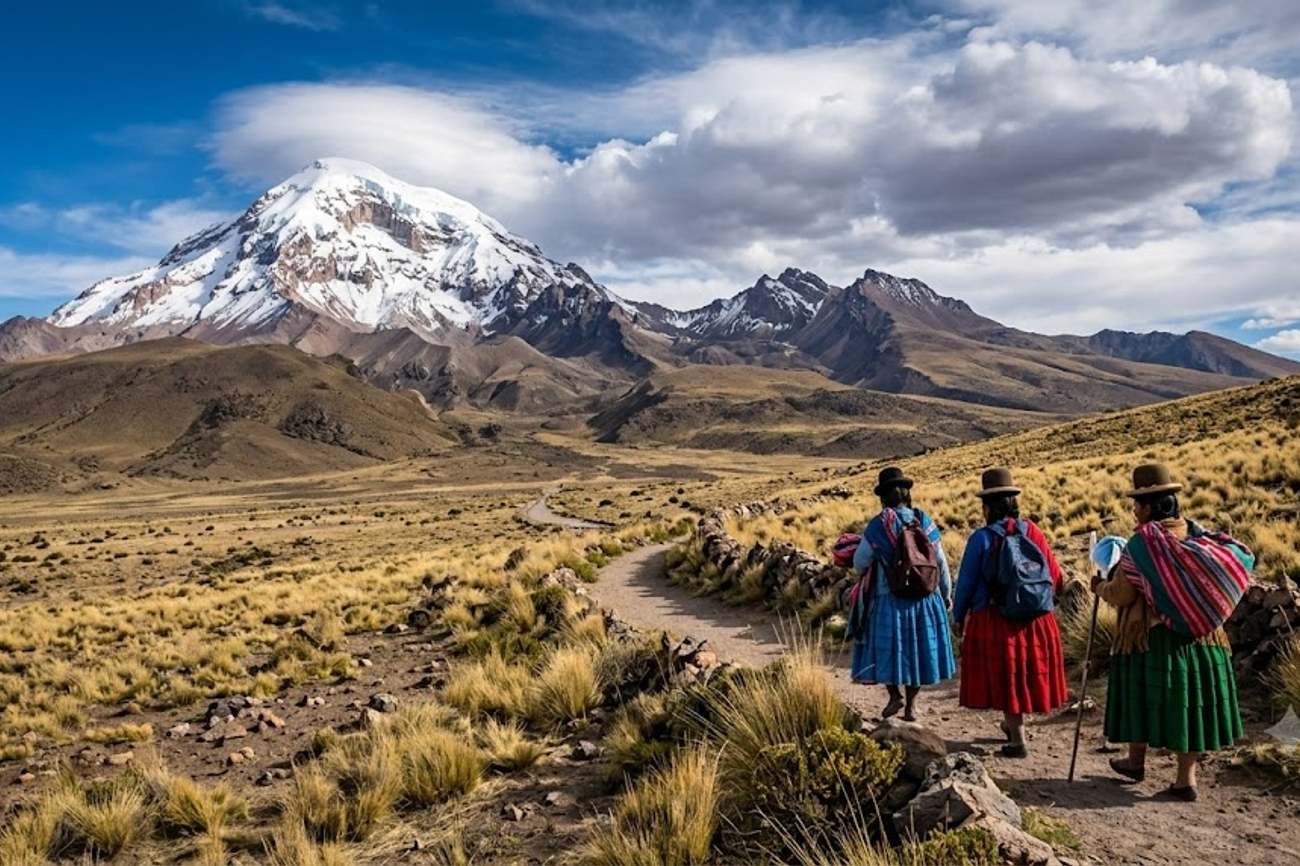
Image generated by AI
90 days is the new maximum stay for citizens of the United States, Israel, South Korea, South Africa, the United Arab Emirates, Bulgaria, Malta, and Romania, following a late 2025 policy shift that eliminated tourist visa requirements for these nationalities. This regulatory pivot signals a strategic attempt by the Bolivian government to diversify its tourism economy beyond the saturated "bucket list" circuits of the Uyuni Salt Flats and La Paz. By lowering the barrier to entry for high-spend markets, Bolivia is attempting to pivot from a niche destination for hardcore backpackers to a multifaceted hub for luxury wellness, educational science, and cultural heritage travelers.
The Geographic Pivot: Beyond the Altiplano
For decades, the Bolivian tourism model has been dangerously centralized. The vast majority of international arrivals follow a rigid corridor: La Paz to the Salar de Uyuni, often treating the country as a mere transit point toward Peru or Chile. This concentration creates an economic imbalance where a handful of operators thrive while the interior of the country remains an untapped asset.
The current strategic shift focuses on "de-centering" the visitor experience. By promoting regions like the Chiquitania in the east and the Tarija valleys in the south, the state is attempting to redistribute tourism revenue into rural communities. This is not merely about sightseeing; it is a logistical effort to extend the average length of stay. When a traveler views Bolivia as a destination for Jesuit missions or high-altitude viticulture rather than just a salt flat, the itinerary expands from a 5-day trip to a 21-day expedition.
Regional Asset Breakdown: Diversification Data
The following table outlines the specific value propositions of the emerging regions being pushed to international markets to break the Uyuni monopoly.
| Region | Primary Draw | Target Demographic | Key Logistical Hub |
|---|---|---|---|
| Madidi | Amazonian Biodiversity | Eco-tourists / Conservationists | Rurrenabaque |
| Cotapata | Cloud Forests / Avian Life | Birdwatchers / Hikers | La Paz |
| Sajama | Nevado Sajama / Thermal Baths | Wellness / High-Altitude Trekkers | Sajama NP |
| Torotoro | Dinosaur Tracks / Karst Caves | Educational / Geology Students | Torotoro |
| Chiquitania | UNESCO Jesuit Missions | Cultural Historians / Architects | Santa Cruz / Missions |
| Tarija | Vineyards / Gastronomy | Culinary Travelers | Tarija City |
| Tupiza | Red Rock Canyons | Adventure / Equestrian | Tupiza |
Expert Analysis: The Friction Between Access and Preservation
The removal of visa requirements for major economies is a classic demand-side lever, but the supply-side infrastructure in Bolivia remains fragile. For travelers booking these routes, the direct consequence is a widening gap between "accessible" and "developed." While it is now legally easier for a US or UAE citizen to enter, the logistical reality of reaching Madidi or the Chiquitania missions requires navigating fragmented local transport networks and varying levels of guide certification.
The pricing pressure this creates is twofold. First, as these "hidden" gems become marketed, there is a risk of "over-tourism" in sensitive ecosystems like Torotoro, where dinosaur footprints and limestone caves are physically fragile. Second, the reliance on local guides is absolute. Unlike the Salt Flats, where tourism is industrialized, these new routes depend on community-led experiences. If the government fails to invest in professional training, the quality of the experience will plummet as volume increases.
Furthermore, the integration of UNESCO recognized sites in Chiquitania suggests a move toward "Intellectual Tourism." This is a higher-margin segment than the budget traveler. By targeting people interested in Baroque music and colonial architecture, Bolivia can generate more revenue per visitor with a smaller physical footprint on the land.
The most critical tension exists in Madidi. The National Service of Protected Areas (SERNAP) has explicitly linked tourism to the fight against illegal mining. For the nomad traveler, this means that visiting Madidi is no longer just a leisure activity—it is a financial contribution to a conservation battle. The economic viability of tourism must outweigh the short-term profits of illegal gold mining to ensure the park's survival.
Key Takeaways
- Visa Liberalization: Citizens from eight specific nations, including the US and UAE, can now enter for up to 90 days without a prior visa, drastically reducing the administrative friction for high-value markets.
- Itinerary Expansion: The state is actively pushing travelers toward the "Southern Circuit" (Tarija and Tupiza) and the "Eastern Heritage" (Chiquitania) to reduce pressure on the Altiplano.
- Conservation-Linked Travel: Destinations like Madidi are being positioned as "protection-first" zones, where tourism revenue serves as a bulwark against illegal mining operations.
- Niche Market Targeting: There is a clear shift toward attracting specialized travelers, including ornithologists in Cotapata and paleontologists in Torotoro.
- Logistical Warnings: Despite easier entry, the interior regions remain underdeveloped, requiring a reliance on local guides and a higher tolerance for rudimentary infrastructure.
FAQ: Bolivia Travel 2026
Do I still need a visa for Bolivia if I am a US citizen? As of late 2025, tourist visa requirements have been removed for US citizens for stays up to 90 days. You should verify current entry stamps and passport validity with the International Air Transport Association (IATA) travel center before departure.
What is the best way to visit Madidi National Park? The primary gateway is Rurrenabaque. From there, most travelers utilize river transport and local guides to enter the rainforest. It is highly recommended to book through SERNAP-certified operators to ensure conservation standards are met.
Is Torotoro safe for families with children? Yes, Torotoro is an excellent educational destination for families due to its dinosaur tracks and caves. However, because of the rugged limestone terrain, a professional guide is mandatory for safety and to prevent damage to the fossils.
Can I visit the Jesuit Missions in Chiquitania by car? Yes, the Chiquitania region is well-suited for road trips. It offers a distinct architectural and musical experience compared to the mountains, though it requires more travel time from the main hubs of La Paz or Uyuni.
Bolivia is betting that by opening its borders, it can finally open its interior.
Related Travel Guides
- Cartagena Matches Orlando and More as Four Seasons, New Flights and Island Adventures Beckon Holidaymakers
- Malaysia Joins Singapore and Thailand as Airport Ground Transport Changes Bring New Fees, Pick Up Zones and Rules for Travellers: All You Need to Know
- Sacramento Unleashes Aftershock 2026 as Rock Titans Ignite California’s Biggest October Music Escape
Disclaimer
This article is for informational and educational purposes only. It does not constitute legal, financial, or professional advice. While we strive to provide accurate and up-to-date information, travel policies, regulations, and conditions change rapidly. Always verify information with official sources before making travel decisions. Nomad Lawyer makes no representations about the accuracy, reliability, completeness, or suitability of the information provided. Readers should consult qualified professionals for advice specific to their circumstances. The views expressed in this article are those of the author and do not necessarily reflect the views of Nomad Lawyer.
Preeti Gunjan
Contributor & Community Manager
A passionate traveller and community builder. Preeti helps grow the Nomad Lawyer community, fostering engagement and bringing the reader experience to life.
Learn more about our team →