
Luxury Travel Boom Expands as Wyndham Introduces Dolce Nova Lifestyle Hotel Brand
Wyndham unveils Dolce Nova, an upper-upscale lifestyle hotel brand blending boutique hospitality, wellness, and the Italian philosophy of il dolce far niente.

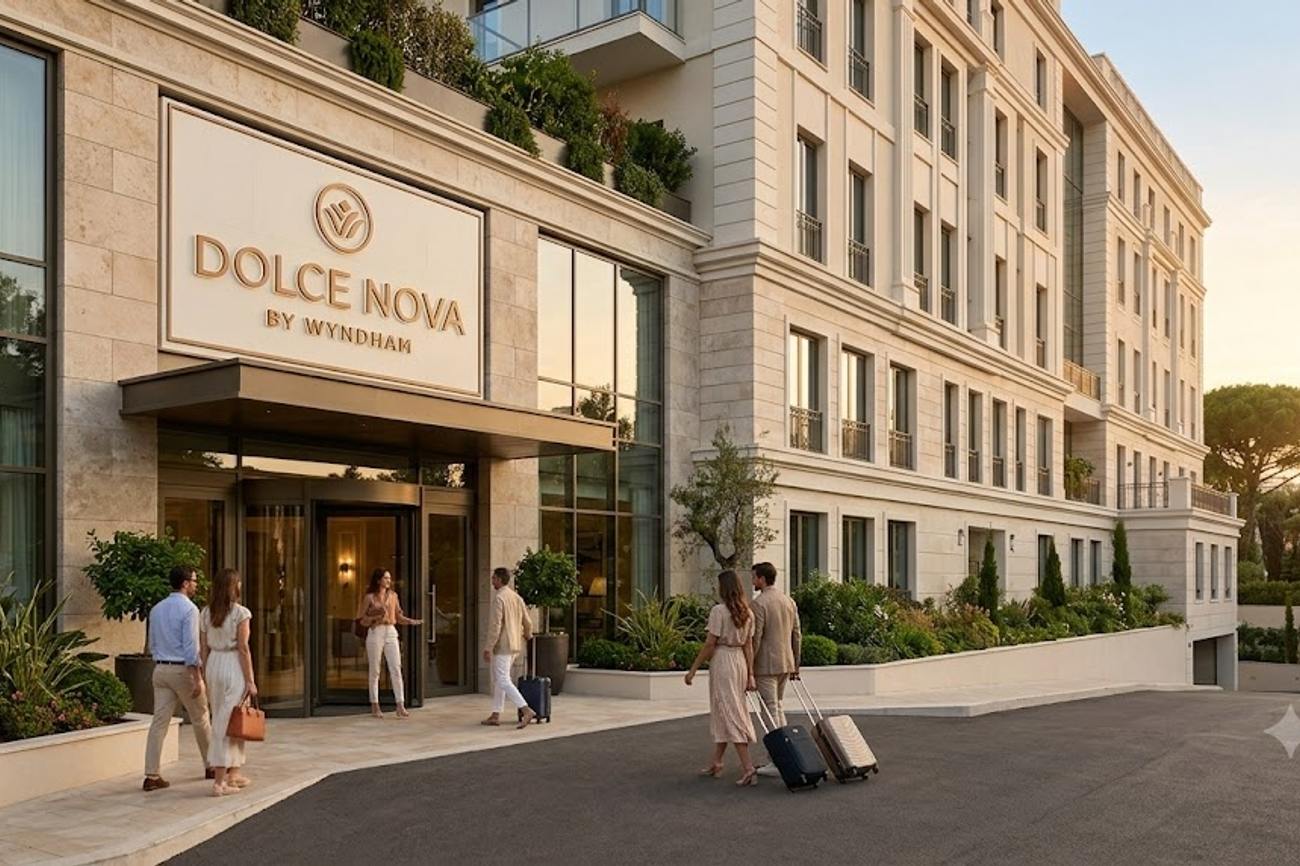
Image generated by AI
While legacy five-star chains long equated luxury with gilded chandeliers and white-gloved formality, modern travelers are staging a quiet rebellion: today's high-end voyagers are abandoning sterile opulence in favor of il dolce far niente—the Italian art of sweet idleness rooted in regional authenticity. In response to this cultural pivot, Wyndham Hotels & Resorts has officially introduced Dolce Nova, an upper-upscale lifestyle brand designed around boutique hospitality, destination-inspired architecture, and personalized guest journeys. Expanding the recognized Dolce Hotels & Resorts portfolio, this new hospitality concept shifts the definition of premium travel away from rigid standardization, transforming hotels into living cultural gateways where wellness, community dining, and unhurried exploration take center stage.
The Lifestyle Hotel Evolution: How Dolce Nova Redefines Premium Hospitality
The launch of Dolce Nova reflects an irreversible shift across global tourism. For decades, international hotel groups competed on predictable uniformity, assuring corporate executives and affluent vacationers that a guestroom in Paris would look identical to one in Palm Springs. However, today’s discerning travelers view cookie-cutter uniformity as an obstacle to genuine discovery. They seek properties possessing an unmistakable sense of place—spaces where architectural materials, morning espresso blends, and evening social gatherings mirror the spirit of the surrounding neighborhood.
Positioned as an upper-upscale extension of the Dolce family, Dolce Nova captures this desire by merging the intimate personality of an independent boutique property with the dependable operational backing of a global network. Built around the timeless Mediterranean ethos of il dolce far niente, the brand invites travelers to slow down, savor artisan meals, and enjoy unscripted moments of restorative pause.
The brand's operational philosophy rests upon four integrated pillars:
- Destination-Inspired Design: Interior spaces, courtyards, and guestrooms reflect indigenous craftsmanship, regional stone, and site-specific color palettes that eliminate the artificial barrier between hotel walls and local communities.
- Integrated Wellness Spaces: Moving past windowless basement gyms, properties prioritize holistic wellbeing through open-air yoga terraces, thermal plunge pools, circadian lighting, and guided mindfulness sessions designed for mental restoration.
- Social Culinary Hubs: Dining venues function as neighborhood living rooms, uniting international guests and local residents over small-batch regional wines, communal farm-to-table plates, and seasonal mixology.
- Curated Local Programming: Rather than generic concierge brochures, hotels provide direct access to neighborhood ceramicists, vineyard proprietors, and historic walking tours that immerse guests into regional life.
What Makes Experience-Based Boutique Stays Unique
The strength of experience-led hospitality lies in its ability to anchor guests directly within the narrative of a destination. Wyndham’s existing Dolce footprint demonstrates how this philosophy succeeds across vastly different geographic settings:
- Dolce by Wyndham Versailles in France: Situated moments from the sun-drenched grounds of the Palace of Versailles, this property channels centuries of French royal history, equestrian traditions, and classical garden symmetry, giving travelers an authentic base outside Paris.
- Dolce by Wyndham Çeşme Alaçatı in Türkiye: Nestled along the Aegean coastline, the property incorporates wind-carved stone architecture, wild olive groves, and rich seafood gastronomy celebrated across the Go Türkiye tourism circuit.
- Dolce by Wyndham Siracusa in Sicily: Overlooking ancient Mediterranean waters, this retreat immerses guests in Greek-Roman antiquities, baroque piazzas, and the storied citrus groves of southern Italy, recognized through the UNESCO World Heritage Centre for its rich historical layers.
In North America, Wyndham is applying this boutique approach to high-demand lifestyle corridors. Key developments in Miami Beach, Palm Springs, and New York’s Hudson Valley cater to travelers seeking stylish retreats that seamlessly support remote work and weekend rejuvenation. At the same time, expanding Dolce projects into emerging travel markets across India signals rising global appetite for branded lifestyle lodging that celebrates regional design while delivering international service standards.
Visitor Insider Tips
Maximizing an experience-led boutique stay requires shedding the hurried pace of mass tourism and engaging with hotels as communal basecamps.
- Embracing the Aperitivo Ritual: In Mediterranean and lifestyle boutique hotels, the late-afternoon social hour between 5:30 PM and 7:00 PM is sacred. Take a seat in the central courtyard or garden bar to enjoy local amari, craft vermouth, and regional olives. This window is when local residents, hotel guests, and visiting winemakers mingle effortlessly.
- Booking Direct for Local Partnerships: When reserving boutique lifestyle accommodations, book directly through property concierges to access private culinary tastings, bicycle loans, or privileged entry into regional heritage sites that third-party booking platforms cannot provide.
- Selecting Regional Travel Windows: To truly savor il dolce far niente, avoid peak midsummer rush periods when hotel courtyards and pool decks become congested. Plan visits during Mediterranean shoulder months—May through early June, or September through late October—when temperatures are gentle, vineyard harvests are underway, and hotel teams offer deeply personalized attention.
- Exploring Beyond the Property Perimeter: Use boutique hotels as launchpads rather than self-contained bubbles. Ask on-site hosts for recommendations on family-owned trattorias, independent bookshops, and quiet coastal walking paths located outside primary tourist squares.
- Taking Advantage of Flexible Work Lounges: If combining work with leisure, seek out hotel library nooks and garden terraces equipped with high-speed Wi-Fi during morning hours, freeing your afternoons entirely for cultural excursions and leisurely dinners.
Cultural and Environmental Context
The rise of experience-driven boutique hotels like Dolce Nova reflects a positive evolution in the relationship between tourism and local communities. Traditional mega-resorts often function as extractive enclaves, importing food supplies, employing seasonal workers on minimal wages, and walling off coastlines from residents. In contrast, destination-centric boutique hotels thrive through interdependence with local artisans, farmers, and cultural stewards.
By integrating regional materials—such as reclaimed timber in the Hudson Valley, Aegean travertine in Çeşme, or volcanic stone in Sicily—these properties support traditional trades and reduce the carbon emissions associated with long-distance material transport. In addition, their dining rooms champion regenerative agriculture, sourcing produce directly from nearby family orchards and coastal fisheries.
This model also fosters community goodwill. When hotel restaurants and social lounges welcome local residents for morning espresso or evening music events, the property becomes an organic neighborhood fixture rather than an intrusive foreign outpost. Travelers who stay in experience-based properties contribute directly to the economic vitality of surrounding market towns, ensuring that tourism investment protects local heritage rather than eroding it.
FAQ: Boutique Lifestyle Hotels and Dolce Nova 2026
What defines Wyndham's new Dolce Nova hotel brand? Dolce Nova is an upper-upscale lifestyle concept within Dolce Hotels & Resorts, emphasizing boutique hospitality, destination-inspired architecture, holistic wellness, and social culinary spaces.
What inspired the concept of Dolce Nova? The brand draws inspiration from the Italian philosophy of il dolce far niente, representing the sweet art of relaxation, authentic living, and appreciating meaningful moments.
Where does the Dolce by Wyndham portfolio currently operate properties? Dolce operates flagship properties internationally, including Versailles in France, Çeşme Alaçatı in Türkiye, Siracusa in Sicily, alongside North American developments in Miami Beach, Palm Springs, and the Hudson Valley.
How do lifestyle boutique hotels benefit local communities? Unlike self-contained resorts, lifestyle hotels collaborate with regional farmers, employ local artisans, source regional building materials, and encourage guests to spend money across neighborhood businesses.
When travel slows down enough to let a place speak for itself, luxury ceases to be an expensive commodity and becomes a memorable state of mind.
Related Travel Guides
Disclaimer
This article is for informational and educational purposes only. It does not constitute legal, financial, or professional advice. While we strive to provide accurate and up-to-date information, travel policies, regulations, and conditions change rapidly. Always verify information with official sources before making travel decisions. Nomad Lawyer makes no representations about the accuracy, reliability, completeness, or suitability of the information provided. Readers should consult qualified professionals for advice specific to their circumstances. The views expressed in this article are those of the author and do not necessarily reflect the views of Nomad Lawyer.
Preeti Gunjan
Contributor & Community Manager
A passionate traveller and community builder. Preeti helps grow the Nomad Lawyer community, fostering engagement and bringing the reader experience to life.
Learn more about our team →