
Luxury Hospitality Players See Surge in Domestic Bookings This Summer 2026
Luxury hospitality players across India are reporting unprecedented domestic demand in summer 2026 as affluent travelers shift away from costly international trips due to geopolitical concerns and rising travel expenses.

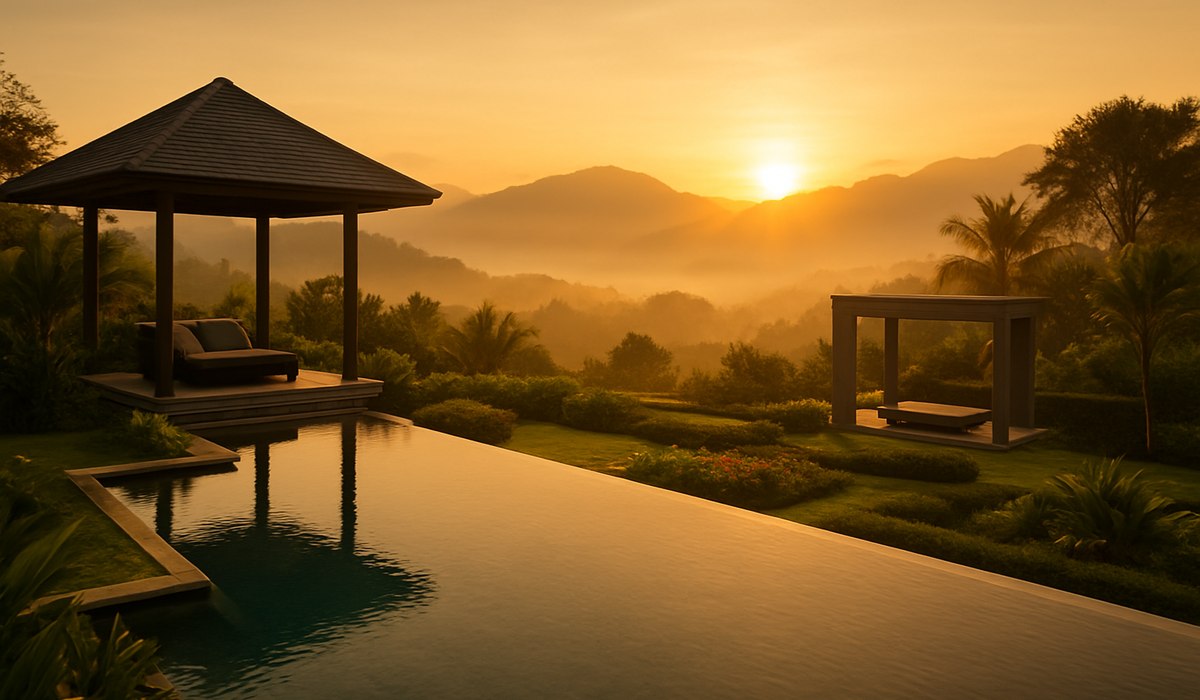
Image generated by AI
Luxury Hospitality Players Report Strong Domestic Demand Amid Global Uncertainties
India's premium hotel chains are witnessing an unprecedented surge in domestic bookings this summer, driven by affluent travelers reconsidering their international vacation plans. Geopolitical tensions and skyrocketing international airfares have prompted wealthy Indians to redirect their leisure spending toward high-end domestic experiences. Luxury hospitality players across metropolitan hubs and emerging destinations are capitalizing on this trend, reporting occupancy rates and revenue figures that exceed year-over-year expectations.
The shift marks a significant turning point in India's travel economy, where domestic luxury tourism—historically overshadowed by outbound travel—is now claiming center stage. Affluent Indian families are discovering that curated, experience-rich vacations within national borders offer comparable luxury standards at substantially lower costs than European or Southeast Asian alternatives.
Why Affluent Indians Are Choosing Domestic Holidays This Summer
The decision to stay home isn't merely about economics. Affluent travelers are increasingly concerned about visa complications, currency volatility, and security challenges associated with international travel. Simultaneously, the cost differential has become impossible to ignore: a week-long luxury resort stay in Rajasthan or Kerala now competes favorably with European city breaks, particularly when factoring in visa processing fees and fluctuating exchange rates.
India's luxury hospitality players have responded by elevating their service standards and amenity offerings. Premium chains are investing in spa facilities, organic farm-to-table dining, and personalized concierge services that rival international five-star resorts. The domestic luxury market has matured considerably, with players like ITC Hotels, Oberoi, Taj Hotels, and emerging boutique chains offering world-class experiences without the complications of international travel.
Additionally, travelers appreciate the convenience of shorter flights, no jet lag concerns, and the ability to reconnect with India's cultural heritage during leisure time. This alignment of convenience, cost-effectiveness, and authentic experiences has created the perfect storm for domestic luxury hospitality growth.
Experience-Led Tourism: The New Luxury Travel Trend
Modern affluent travelers no longer seek passive vacations. Instead, they crave immersive experiences that align with wellness, spirituality, cultural exploration, and adventure. Luxury hospitality players are redesigning their offerings to accommodate this shift toward experience-led tourism.
Wellness retreats featuring Ayurvedic treatments, yoga sessions, and holistic healing programs have become flagship offerings at premium resorts across Goa, Kerala, and Himachal Pradesh. Cultural tourism packages that include private art gallery tours, heritage walks with expert historians, and exclusive access to architectural monuments are particularly popular among discerning domestic travelers.
Culinary experiences have emerged as a major attraction, with Michelin-trained chefs offering farm-to-table cooking demonstrations and regional cuisine masterclasses. Adventure tourism—including trekking expeditions, wildlife safaris, and water sports—has also integrated into luxury travel portfolios, appealing to families seeking both relaxation and active engagement.
This experiential pivot allows luxury hospitality players to justify premium pricing while delivering measurable value. Guests are willing to pay significantly more when experiences promise personal transformation or unique memories unavailable in their home cities.
Emerging Destinations and Spiritual Circuits Gaining Traction
While established luxury destinations like Mumbai, Delhi, and Bangalore continue attracting affluent travelers, secondary and tertiary cities are experiencing explosive growth. Udaipur, Jodhpur, and Jaipur in Rajasthan are witnessing hotel expansion projects specifically targeting the luxury segment. Similarly, heritage circuit destinations in Madhya Pradesh and spiritual centers like Varanasi and Rishikesh are attracting investment in upscale accommodations.
Spiritual tourism represents a particularly dynamic growth segment. Affluent Indians increasingly associate wellness and spiritual advancement with luxury travel, driving demand for high-end retreat centers positioned along pilgrimage routes and sacred destinations. Kerala's backwater regions, Goa's wellness resorts, and Himalayas' meditation centers have all seen bookings surge beyond capacity.
These emerging destinations benefit from lower operational costs, enabling luxury hospitality players to offer premium experiences at competitive rates. The geographic diversification also reduces strain on infrastructure in overtouristed luxury destinations, benefiting both travelers and local communities.
What This Shift Means for India's Hospitality Industry
The domestic luxury travel surge represents a structural shift in India's hospitality sector. Investors are redirecting capital from international hotel chains to domestic properties, recognizing sustained demand from affluent Indian travelers who may continue favoring domestic options even as international travel conditions normalize.
Employment growth across hospitality services—from luxury concierge roles to specialized wellness practitioners—is accelerating. Professional development programs for hotel staff are expanding to meet elevated service expectations from discerning domestic clients accustomed to international standards.
Technology integration is another trend amplified by this domestic surge. Luxury hospitality players are investing in AI-powered concierge services, mobile apps for seamless bookings, and digital experiences that allow guests to customize their stays before arrival. These investments strengthen India's competitive position in global luxury travel markets.
The multiplier effect extends beyond hotels. Allied services—including transportation, dining, entertainment, and local attractions—are experiencing increased revenue and employment opportunities. Rural economies near luxury destinations are benefiting from improved infrastructure and tourism-related business opportunities.
Key Data: Domestic Luxury Travel Surge 2026
| Metric | Finding | Impact |
|---|---|---|
| Domestic Luxury Bookings | Up 47% YoY (Q2 2026) | Highest growth in five years |
| Average Stay Duration | 6-8 nights (domestic vs. 3-5 international) | Higher per-guest revenue despite lower nightly rates |
| Primary Motivation | Geopolitical concerns (62%), Cost savings (58%) | Structural demand shift expected |
| Top Emerging Destinations | Udaipur, Rishikesh, Backwater Kerala, Jaipur | Investment capital flowing to secondary cities |
| Experience Tourism Growth | Wellness packages up 68%, Cultural tours up 54% | Service differentiation driving premium positioning |
| Average Nightly Rate | ₹18,000-₹45,000 for luxury properties | 35% lower than comparable international luxury |
| Expected Market Share | Domestic luxury to reach 38% of total luxury travel | Shift from historical 22% baseline |
What This Means for Travelers
-
Book Early for Peak Months: Summer demand is stretching luxury property capacity. Reserve your preferred destination by late May to secure availability and potentially negotiate better rates for extended stays.
-
Leverage Package Deals: Luxury hospitality players are offering comprehensive packages bundling accommodation, meals, wellness services, and experiences. These packages provide 20-30% better value than à la carte bookings, particularly for week-long stays.
-
Explore Emerging Destinations: Secondary cities like Udaipur and Rishikesh offer comparable luxury experiences to established hubs at lower costs. First-mover advantage applies—early visits offer uncrowded, authentic experiences before infrastructure strain increases.
-
Prioritize Experience-Rich Stays: Contemporary luxury travel emphasizes immersive experiences over amenities alone. Prioritize properties offering specialized wellness programs, cultural activities, or adventure options aligned with your interests.
-
Consider Shoulder Seasons: Late May and early September offer superior value and lower occupancy rates while maintaining pleasant weather across most destinations. Luxury hospitality players extend special promotions during these periods.
Frequently Asked Questions
Q: Why are affluent Indians suddenly choosing domestic luxury vacations over international travel?
A: Geopolitical uncertainties, visa complications, and currency volatility have made international travel riskier. Simultaneously, luxury hospitality players have elevated domestic offerings to international standards while maintaining 35% lower costs. Cost-benefit analysis now favors domestic luxury experiences for affluent travelers.
**Q: Which emerging destinations offer the best luxury experiences for
Disclaimer
This article is for informational and educational purposes only. It does not constitute legal, financial, or professional advice. While we strive to provide accurate and up-to-date information, travel policies, regulations, and conditions change rapidly. Always verify information with official sources before making travel decisions. Nomad Lawyer makes no representations about the accuracy, reliability, completeness, or suitability of the information provided. Readers should consult qualified professionals for advice specific to their circumstances. The views expressed in this article are those of the author and do not necessarily reflect the views of Nomad Lawyer.
Preeti Gunjan
Contributor & Community Manager
A passionate traveller and community builder. Preeti helps grow the Nomad Lawyer community, fostering engagement and bringing the reader experience to life.
Learn more about our team →