
Lufthansa Summer Forecast: Stable Fuel Supply Amid Middle East Turbulence
Despite Middle East geopolitical tensions disrupting global fuel markets, Lufthansa signals confidence in stable jet fuel supplies across European hubs for summer 2026 travel season.

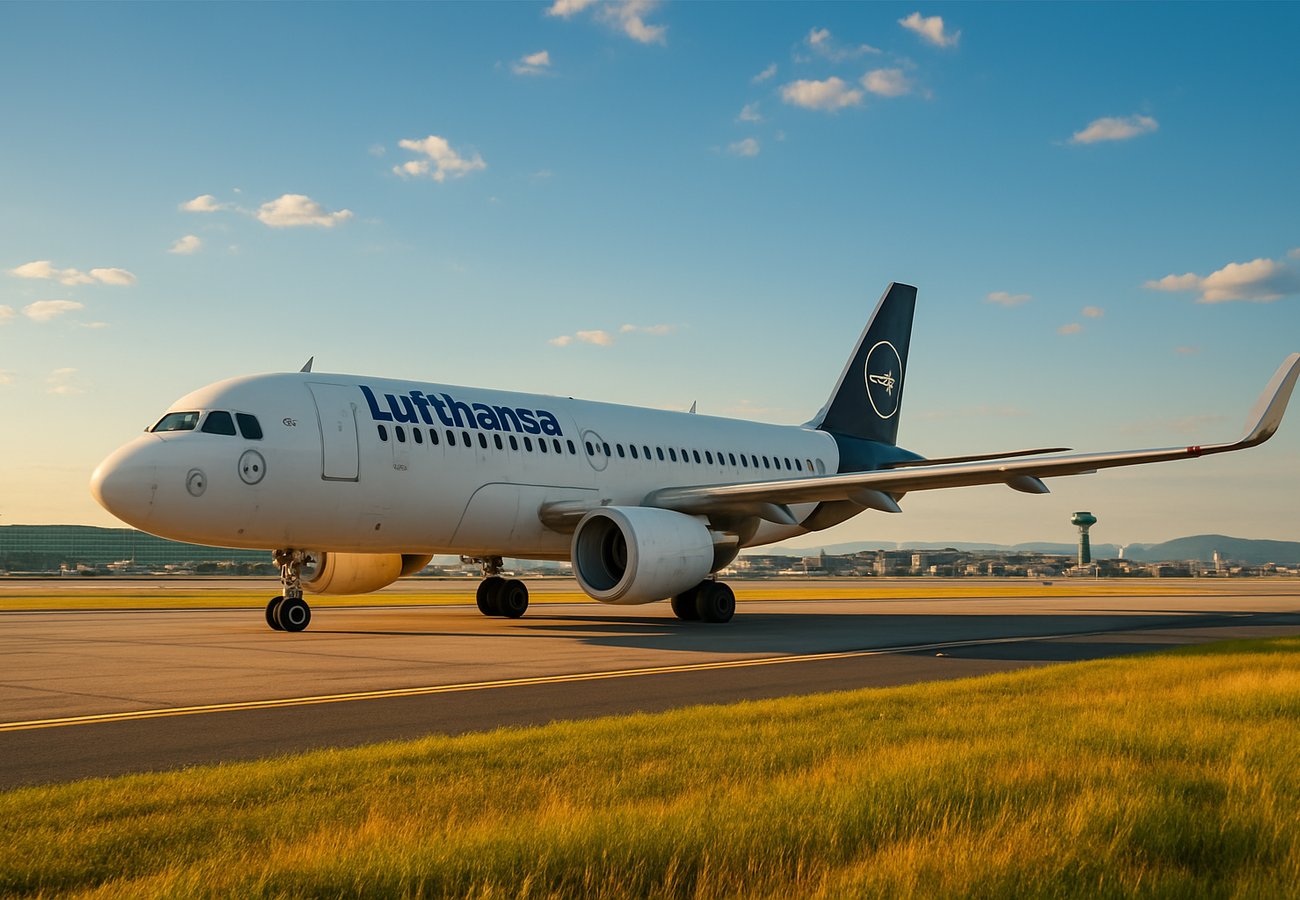
Image generated by AI
Europe's aviation sector is steeling itself for peak summer travel season—but the shadow of Middle East geopolitical tensions and global fuel market disruption looms large. Yet here's what matters most: Lufthansa Group has just signaled that jet fuel supplies across its major European hubs remain stable, suggesting passengers won't face widespread flight cancellations during one of the busiest tourism periods of the year.
The reassurance is crucial for millions heading to destinations across Germany, Switzerland, Austria, Belgium, and Italy, where summer tourism demand is expected to surge. While closure and disruption of key energy shipping routes have pushed aviation fuel prices sharply higher, airlines have increasingly adapted by diversifying supply chains and increasing fuel sourcing from alternative markets. The situation reveals how modern aviation networks are balancing operational resilience, fuel security, and profitability while protecting leisure and business travelers from potential disruptions.
Europe's Aviation Sector Faces a New Fuel Reality
The global aviation industry has long depended on stable fuel flows from the Middle East. Ongoing geopolitical tensions, however, have forced airlines and energy suppliers to rethink traditional sourcing strategies entirely.
For Lufthansa Group—whose network spans multiple European countries and international markets—maintaining fuel availability has become as critical as managing passenger demand. According to company disclosures, fuel deliveries continue normally across major hubs including Frankfurt (FRA), Munich (MUC), Zurich (ZRH), Vienna (VIE), Brussels (BRU), and Rome (FCO). While supply chains remain under pressure, airline executives have emphasized that no immediate shortages have been identified at operational airports.
These six airports collectively handle tens of millions of passengers annually and form a significant part of Europe's tourism and business travel ecosystem. Frankfurt remains Lufthansa's largest hub, while Munich operates as its secondary global hub. Swiss International Air Lines operates from Zurich, Austrian Airlines from Vienna, and Brussels Airlines from the Belgian capital—all subsidiaries within the Lufthansa Group empire.
How Airlines Are Quietly Reshaping Fuel Procurement Networks
One of the most significant developments in recent months has been rapid diversification of jet fuel sourcing. Traditionally, a substantial share of Europe's aviation fuel supply chain relied on crude oil and refined products moving through the Strait of Hormuz, one of the world's most strategically important maritime corridors. Any disruption to this route immediately affects global energy markets and airline operations.
Rather than waiting for conditions to improve, airlines and suppliers have begun aggressively redirecting procurement efforts toward alternative suppliers. European refineries have responded by maximizing production capacity wherever possible. The United States has increased export volumes, while Nigeria has become an emerging alternative refining and supply source. Strategic fuel reserves have also provided temporary supply stabilization.
Reddit: "I'm booking my Rome flight next week—honestly relieved to see airlines have backup plans rather than just hoping for the best." — r/travel
This shift has reduced the immediate risk of fuel shortages even as transportation costs remain elevated. The industry's flexibility here represents a genuine competitive advantage that protects summer travel schedules.
The €1.7 Billion Challenge Reshaping Airline Economics
While fuel availability appears manageable, airline profitability faces a far greater challenge. Jet fuel remains one of the largest operating expenses for airlines, often representing between 20% and 30% of total costs under normal market conditions. Recent market disruptions have pushed aviation fuel prices to nearly $1,400 per metric ton—approximately double levels seen before the current crisis.
Lufthansa previously estimated that higher fuel expenses could create a financial burden of roughly €1.7 billion during 2026. That's not a small number for any carrier. Yet the airline's extensive fuel hedging strategy provides an important financial cushion. Hedging allows carriers to lock in fuel prices ahead of time, protecting them from sudden market spikes.
According to industry analysis, Lufthansa maintains approximately 77% hedge coverage, compared to Air France-KLM's roughly 62%. This strategy has become a significant competitive advantage at a time when many airlines globally have reduced hedging activities. The protection matters enormously when fuel prices spike unexpectedly.
Why Travelers Are Unlikely to See Major Summer Flight Chaos
For travelers planning holidays across Europe, the most important takeaway is this: airlines are not currently forecasting widespread cancellations linked to fuel shortages. In fact, many carriers have already adjusted their schedules to account for higher operating costs.
Lufthansa's earlier decision to remove approximately 20,000 flights from its broader summer schedule attracted industry-wide attention. However, those reductions represented only a small portion of overall capacity and were also linked to broader fleet and network restructuring efforts. By removing less profitable routes earlier, airlines have been able to concentrate aircraft and fuel resources on stronger-performing destinations.
For tourism markets, this strategic approach means major leisure routes connecting Germany, Italy, Austria, Switzerland, Spain, and Greece remain largely protected. The airline industry has learned from past crises—don't overextend capacity on marginal routes when fuel security is uncertain.
Smart Travel Strategies for Summer 2026 Passengers
Although fuel shortages are not currently expected, travelers can still take several practical steps to reduce disruption risks. Book directly with airlines for easier rebooking options. Monitor schedule changes regularly for early awareness of operational updates. Consider travel insurance for additional financial protection. Arrive earlier during peak periods to reduce stress during busy operations. Use airline mobile apps for faster notifications and assistance when changes occur.
These measures are increasingly valuable as airlines continue adapting to volatile operating conditions. The EU's flight disruption dashboard provides real-time data on operational status across major European airports if you're concerned about specific routes.
Passenger Rights Remain Protected Under European Regulations
Even if fuel-related operational issues were to emerge later in the year, travelers across Europe would continue to benefit from some of the strongest aviation consumer protections in the world. Under European passenger rights regulations, airlines are generally required to offer rebooking options or full refunds when flights are canceled.
A more complex legal question remains whether an extreme jet fuel shortage would qualify as an "extraordinary circumstance," potentially affecting compensation eligibility. Aviation legal experts suggest that any such determination would likely depend on the specific circumstances surrounding individual disruptions. For now, however, regulators and airline executives alike appear cautiously optimistic that supply networks can continue supporting summer demand.
A Summer Season Built on Adaptation Rather Than Abundance
The current situation illustrates a broader transformation underway in global aviation. Airlines are no longer relying on a single fuel corridor or supplier network. Instead, they are building more flexible procurement systems capable of responding to geopolitical shocks rapidly.
For travelers, that adaptability may be the most important story of the summer. While fuel prices remain elevated and uncertainty in global energy markets persists, Europe's largest carriers have so far demonstrated an ability to secure supplies, protect key routes, and keep tourism flows moving. The coming months will test the resilience of those strategies, but at present, the message from Europe's aviation sector is clear: summer travel demand remains strong, aircraft are expected to keep flying, and the industry's fuel supply network appears considerably more resilient than many feared.
Europe's summer skies aren't grounded—they're just running smarter.
Related Travel Guides
Airlines Premium Economy: 5 Carriers Redefining Transatlantic Comfort in 2026
Europe's 2026 Overtourism Crisis: How Italy, Greece, Spain Are Fighting Back
Travel Insurance Essentials: What EU Regulations Actually Cover in 2026
Disclaimer
This article is for informational and educational purposes only. It does not constitute legal, financial, or professional advice. While we strive to provide accurate and up-to-date information, travel policies, regulations, and conditions change rapidly. Always verify information with official sources before making travel decisions. Nomad Lawyer makes no representations about the accuracy, reliability, completeness, or suitability of the information provided. Readers should consult qualified professionals for advice specific to their circumstances. The views expressed in this article are those of the author and do not necessarily reflect the views of Nomad Lawyer.
Preeti Gunjan
Contributor & Community Manager
A passionate traveller and community builder. Preeti helps grow the Nomad Lawyer community, fostering engagement and bringing the reader experience to life.
Learn more about our team →