
Los Angeles Joins Atlanta and Albuquerque in US Film Tourism Surge for 2026
Los Angeles is pivoting its tourism strategy to capitalize on the 'set-jetting' trend, joining cities like Atlanta and Albuquerque in converting filming locations into major travel draws.

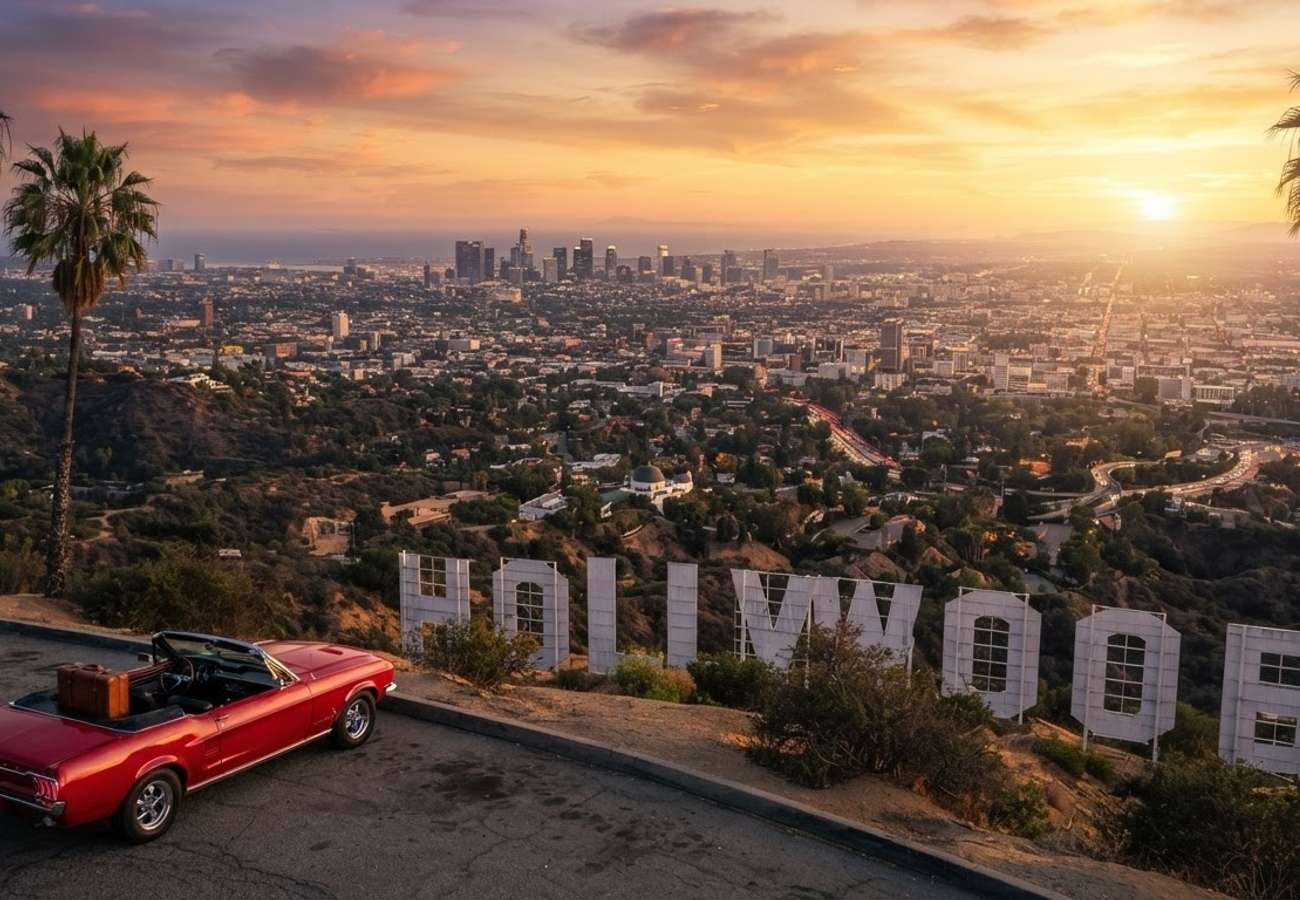
Image generated by AI
Los Angeles is aggressively repositioning itself as a premier "set-jetting" destination, aligning with a national trend where cities like Atlanta and Albuquerque convert cinematic fame into massive inbound visitor growth.
For decades, Los Angeles was viewed primarily as the "factory" where movies were made. However, recent shifts in travel behavior indicate a strategic pivot. The city is now focusing on the end-user—the fan—transforming studio backlots and recognizable street corners into high-value tourism assets. This move mirrors a broader American pattern where recognizable on-screen backdrops are becoming primary motivators for international trip bookings.
Los Angeles Transitions From Production Hub to Fan Destination
The shift in Los Angeles is driven by a growing appetite for "set-jetting," a term describing travel inspired by film and television content. According to industry reports, international visitors are increasingly designing itineraries around the specific locations they have seen in global streaming hits. This is no longer just about the "glamour" of Hollywood, but about the tangible experience of standing where a specific scene was filmed.
Data regarding entertainment and tourism suggests a strong recovery in visits to studio tours and red-carpet venues over the last two years. This rebound is attributed to the return of high-profile premieres and a consistent flow of new releases set within the city. Destination marketing is now evolving to link traditional landmarks—such as the Walk of Fame, the Griffith Observatory, and the Hollywood Sign—with newer, niche filming sites tied to contemporary franchises.
Current campaigns are emphasizing curated neighborhood walks and exclusive behind-the-scenes access. By integrating these experiences with local film festivals, Los Angeles is moving away from simply hosting production crews and toward actively courting the global fanbase.
Albuquerque Leverages Prestige Television for Long-Term Growth
Albuquerque serves as a primary case study for how a single television franchise can permanently alter a city's global image. For over a decade, the city has seen sustained economic benefits from a renowned crime drama and its subsequent prequel. Rather than a temporary spike in interest, the city has built a permanent infrastructure around this cinematic legacy.
Local economic studies indicate that a network of small businesses has flourished by catering specifically to these fans. Examples include:
- Themed Transport: RV tours modeled after the iconic vehicles seen in the series.
- Active Exploration: Cycling routes that connect various filming locations across the city.
- Retail Integration: Specialized souvenir shops focusing on series-related merchandise.
While one franchise provided the initial catalyst, municipal officials have diversified the city's appeal. By investing in production workforce training and soundstage infrastructure, Albuquerque has attracted various streaming platforms. This diversification ensures that the city remains a destination for a wide array of fans, preventing a decline in tourism once a single show ends its run.
Atlanta Capitalizes on Superhero Franchises and Streaming Hits
In the Southeast, Atlanta has utilized aggressive state tax incentives to become a global production powerhouse. This concentration of soundstages has drawn massive comic-book franchises and streaming series, which in turn have turned the city's suburban squares and historic neighborhoods into tourist magnets.
Tour operators in Atlanta have developed specialized itineraries that cater to specific genres, including horror and superhero cinema. These tours often lead visitors to recognizable cemeteries and residential areas that have appeared in blockbuster films.
A key element of Atlanta's success is the integration of pop culture with civic history. Travel reports indicate that visitors frequently blend film-related stops with visits to civil rights landmarks and local food markets. This strategy allows the city to market itself as a place where contemporary entertainment overlays a deep historical narrative, creating a more holistic visitor experience.
New York, Chicago and Honolulu Assetize Iconic Skylines
The film tourism boom extends beyond the traditional "production hubs" of the South and West. Major metropolitan areas are now treating their architecture as narrative assets.
In New York, the city's streets and skyline continue to drive interest through themed walks tied to prestige dramas and long-running sitcoms. Similarly, Chicago has seen a boost in interest for its lakefront and river bridges, fueled by a steady stream of medical and crime dramas. Local providers now highlight specific firehouses and downtown intersections that have become familiar to global audiences through their screens.
In the Pacific, Honolulu and the island of Oahu continue to leverage their unique landscapes. From classic adventure series to modern action blockbusters, the region's beaches and jungle valleys are marketed as "other-worldly" locations, drawing visitors who wish to experience the scenery of their favorite films in person.
Analyzing the Global Surge in Set-Jetting Data
Research from travel analytics firms and academic institutions confirms a direct correlation between the release of popular screen content and immediate spikes in destination searches. This trend is particularly prevalent among Gen Z and Millennial travelers, who utilize social media clips and streaming platforms as their primary travel inspiration.
Booking data reveals that search activity for specific regions often peaks immediately following the premiere of a hit season or a major movie release. In response, US destinations are adopting a structured approach to this phenomenon:
- Digital Mapping: Creating interactive maps of filming locations.
- Storytelling: Encouraging local businesses to integrate on-screen references into their branding.
- Cataloging: Systematically documenting filming sites to create official tour routes.
By aligning with this movement, Los Angeles is acknowledging that film tourism has transitioned from a niche curiosity into a mainstream economic driver. The city is no longer just a place where movies are made; it is a place where stories are experienced.
Why This Matters: The Shift in Traveler Psychology
For the modern traveler, the destination is no longer just a geographical location—it is an emotional connection to a story. From a logistical standpoint, this shift forces cities to move beyond "monument tourism" (visiting a famous building) toward "experience tourism" (visiting a place where a specific emotion was conveyed on screen).
For the visitor, this means travel is becoming more fragmented and specific. Instead of visiting "Los Angeles," a traveler may visit "the three specific street corners where a favorite character stood." For local governments, this creates a new challenge: managing "over-tourism" in residential neighborhoods that were never designed to handle thousands of fans, while simultaneously leveraging that fame to boost the local economy.
The line between the silver screen and the street has officially vanished, turning the American landscape into a living movie set.
Related Travel Guides
Disclaimer
This article is for informational and educational purposes only. It does not constitute legal, financial, or professional advice. While we strive to provide accurate and up-to-date information, travel policies, regulations, and conditions change rapidly. Always verify information with official sources before making travel decisions. Nomad Lawyer makes no representations about the accuracy, reliability, completeness, or suitability of the information provided. Readers should consult qualified professionals for advice specific to their circumstances. The views expressed in this article are those of the author and do not necessarily reflect the views of Nomad Lawyer.
Raushan Kumar
Founder & Lead Developer
Full-stack developer with 11+ years of experience and a passionate traveller. Raushan built Nomad Lawyer from the ground up with a vision to create the best travel and law experience on the web.
Learn more about our team →