
London Music Festival Guide 2026: Navigating BST Hyde Park, All Points East, and Urban Event Logistics
A comprehensive analysis of London's 2026 music festival landscape, detailing the impact of BST Hyde Park and All Points East on international tourism and passenger logistics.

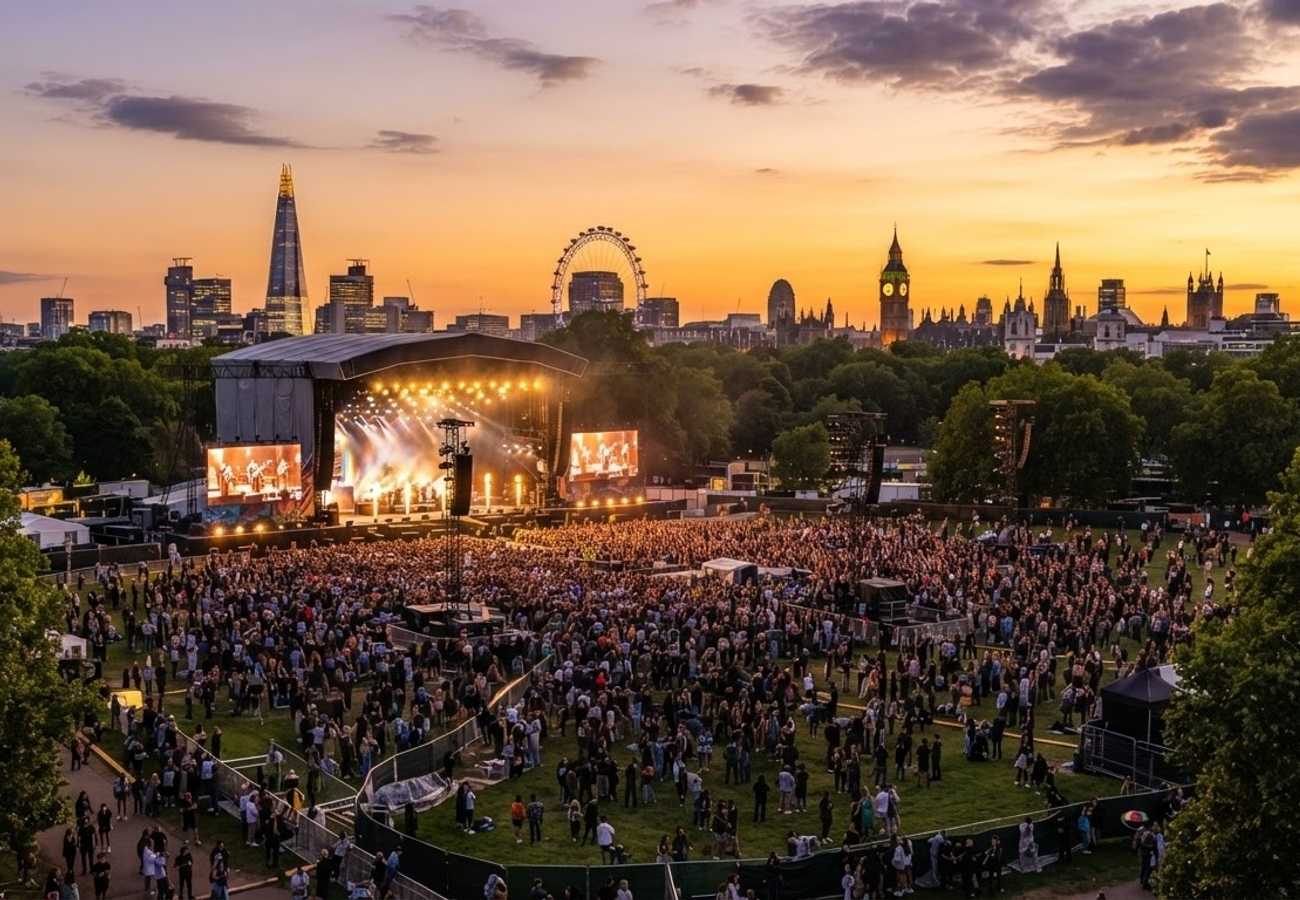
Image generated by AI
London continues to dominate the global music tourism sector in 2026, leveraging iconic royal parks and urban hubs to attract millions of international visitors. The integration of large-scale productions with central city logistics creates a high-density travel environment requiring specific planning.
The 2026 London Music Landscape
London's strategic advantage in music tourism stems from its ability to host world-class festivals without requiring travelers to migrate to remote rural sites. The 2026 calendar is defined by a hybrid model: massive open-air productions in Royal Parks and curated, genre-specific gatherings in urban creative districts.
This ecosystem supports a wide array of genres, including electronic, jazz, hip-hop, and contemporary pop, allowing the city to capture diverse demographic segments of the global travel market.
Major Festival Impact and Venue Breakdown
Our analysis of the current event landscape identifies two primary anchors of London's music tourism: BST Hyde Park and All Points East. These events drive significant surges in hotel occupancy and transport demand.
Primary Event Hubs
| Venue | Primary Appeal | Scale & Impact |
|---|---|---|
| Hyde Park | International headliners | High-capacity, central London logistics |
| Victoria Park | Multi-genre, community-integrated | East London economic driver |
| Somerset House | Intimate, heritage-focused | High-end cultural tourism |
| Brockwell Park | Genre-specific, community-led | Localized neighborhood impact |
BST Hyde Park: Centralized Mass Tourism
BST Hyde Park functions as a primary landmark event. Because it is situated in central London, it allows passengers to synchronize concert attendance with visits to Buckingham Palace and Oxford Street. This proximity reduces the need for specialized festival transport but increases pressure on the central London Underground network.
All Points East: The East London Catalyst
Located in Victoria Park, Tower Hamlets, All Points East has shifted the tourism gravity toward East London. This festival integrates international performances with local community programming, encouraging visitors to explore independent restaurants and creative hubs outside the traditional tourist center.
Passenger Rights & Travel Advisory
For the international traveler attending these high-capacity events, the risk of disruption—ranging from flight cancellations to accommodation disputes—is elevated during peak festival weekends.
Flight Disruptions and Compensation
If your travel to a London festival is disrupted by a flight cancellation or a delay exceeding three hours, our analysis of aviation policy suggests the following:
- EU261/UK261 Protections: For flights departing from the UK or arriving in the UK on a UK/EU carrier, passengers may be entitled to compensation up to £520 (€600) depending on the distance, unless the delay was caused by "extraordinary circumstances" (e.g., extreme weather).
- Duty of Care: Airlines must provide meals, refreshments, and hotel accommodation if a disruption necessitates an overnight stay.
Rebooking and Logistics
For the affected passenger, this means you should prioritize airlines with flexible rebooking policies during "event peaks." We recommend documenting all expenses related to delays, as these are recoverable under standard aviation consumer protections.
Local Transport Strategy
To avoid the bottlenecks associated with Hyde Park and Victoria Park exits, passengers should utilize the London Overground and Elizabeth Line where applicable, rather than relying solely on the Central Line or ride-share services, which often face severe congestion during event egress.
London's success is not merely a result of the artists booked, but the utilization of "cultural spaces." By transforming public parks into temporary arenas, the city minimizes the infrastructure cost for organizers while maximizing the visibility of the city's heritage.
The economic ripple effect is substantial. Music tourism in 2026 extends beyond the ticket price, driving significant revenue into the hospitality, retail, and transport sectors. The trend indicates a move toward "micro-festivals"—smaller, genre-specific events that offer deeper community immersion—which helps distribute tourist spending more evenly across the city's boroughs.
Strategizing your London visit around these cultural anchors ensures a balance between high-energy entertainment and seamless urban exploration.
Related Travel Guides
Disclaimer
This article is for informational and educational purposes only. It does not constitute legal, financial, or professional advice. While we strive to provide accurate and up-to-date information, travel policies, regulations, and conditions change rapidly. Always verify information with official sources before making travel decisions. Nomad Lawyer makes no representations about the accuracy, reliability, completeness, or suitability of the information provided. Readers should consult qualified professionals for advice specific to their circumstances. The views expressed in this article are those of the author and do not necessarily reflect the views of Nomad Lawyer.
Raushan Kumar
Founder & Lead Developer
Full-stack developer with 11+ years of experience and a passionate traveller. Raushan built Nomad Lawyer from the ground up with a vision to create the best travel and law experience on the web.
Learn more about our team →