
Libya Remains Under US Level 4 Do Not Travel Advisory as Terrorism, Crime, and Kidnapping Risks Persist

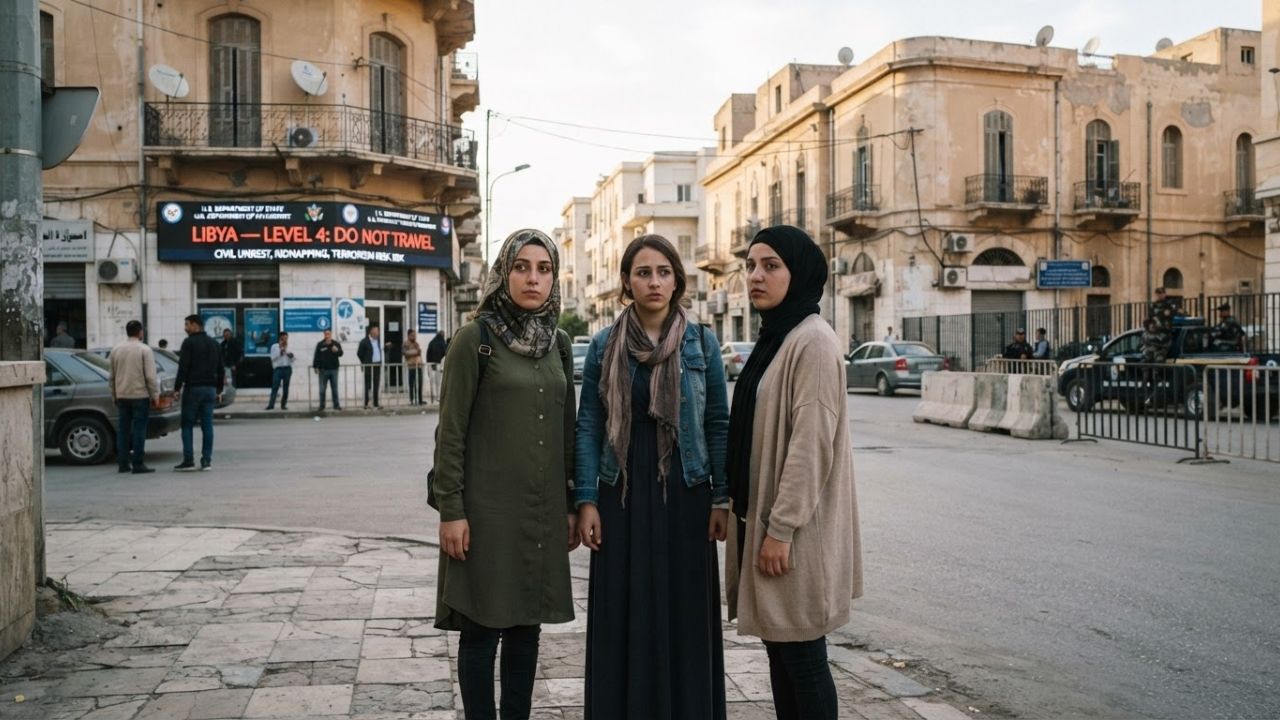
The US Department of State has reaffirmed its highest Level 4: Do Not Travel advisory for Libya, warning travelers of ongoing threats from armed conflict, terrorism, civil unrest, kidnapping, and violent crime across all regions.
More than a decade after the 2011 uprising led to the collapse of the former regime, Libya remains divided among rival political authorities and localized armed militias. While commercial activity has returned to primary urban centers including Tripoli, Benghazi, and Misrata, security conditions can deteriorate rapidly without warning. With the US Embassy in Tripoli suspended and no operational diplomatic mission on the ground, American authorities warn that consular emergency assistance cannot be provided to citizens facing arrest, detention, or armed confrontations.
Deconstructing the Security Environment: Threats Facing Foreign Nationals
The Level 4 advisory reflects deep structural volatility across western, eastern, and southern administrative territories:
- Kidnapping and Hostage-Taking: Armed militias and criminal trafficking networks continue to target foreign workers, journalists, and travelers for commercial extortion and political leverage.
- Terrorist Activity: Extremist factions retain operational cells capable of conducting coordinated attacks on civilian transportation, government buildings, checkpoints, and public venues.
- Militia Clashes and Checkpoints: Rival security factions frequently clash over control of municipal facilities, fuel corridors, and airport access roads, closing border crossings with zero notice.
- Unexploded Ordnance and Landmines: Conflict-affected peri-urban and rural areas contain unmarked minefields and unexploded munitions left behind from repeated armed incursions.
Because transport infrastructure remains vulnerable to sudden blockades, commercial flights out of Mitiga International Airport in Tripoli or Benina International Airport in Benghazi can be disrupted or grounded during localized escalations.
Endangered World Heritage Amid Protracted Instability
The ongoing travel ban isolates some of the Mediterranean basin's most significant cultural treasures. Libya houses exceptional classical antiquities, including the grand Roman city of Leptis Magna, the seaside theater of Sabratha, the Greek ruins of Cyrene, and the Saharan oasis architecture of the Old Town of Ghadamès—all designated as UNESCO World Heritage Sites in Danger.
While local antiquities staff and community volunteers actively protect these ancient sandstone monuments from looting and neglect, international archaeological expeditions and heritage tourism remain entirely stalled. For cultural heritage specialists, preserving these fragile sites is an urgent cultural priority, yet physical access remains restricted by safety conditions.
Protocol and Security Measures for Essential Travel Personnel
For accredited humanitarian personnel, diplomats, or energy specialists mandated to travel despite the advisory, adherence to rigorous safety standards is mandatory:
| Risk Category | In-Country Reality | Mandatory Mitigation Standard |
|---|---|---|
| Consular Access | No operational US embassy presence | Register with STEP (Smart Traveler Enrollment Program) |
| Ground Transit | Unofficial roadblocks and armed checkpoints | Contract vetted armored transport and local security details |
| Financial Systems | International credit cards and ATMs non-functional | Carry crisp, clean US dollar currency for local cash exchange |
| Communications | Mobile cellular blackouts during political disputes | Carry independent satellite messengers (e.g., Garmin InReach) |
| Emergency Contingency | Medical evacuation infrastructure severely limited | Secure private emergency evacuation and extraction insurance |
Local Cultural Insights and Insider Tips for Necessary Transit
- Invitation Clearance and Visa Approvals: Entering Libya requires official sponsorship and pre-approved security clearances verified through the Ministry of Foreign Affairs; attempting entry on informal travel documents leads to immediate detention at border points.
- Traditional Dining Customs: In coastal cities, regional hospitality centers on dishes like shorba arabiya (spiced lamb and mint soup), bazeen (barley dough served with rich tomato and meat stew), and sweet ceremonial green tea served with roasted peanuts.
- Cultural Dress and Sensitivity: Conservative dress is strictly observed nationwide; both men and women should keep shoulders and knees covered, and photography of military personnel, checkpoints, or government offices is strictly prohibited and treated as espionage.
- Currency Exchange Protocols: Avoid informal street hawkers; conduct currency transactions through authorized exchange offices or hotel concierges to avoid counterfeit notes.
- Emergency Evacuation Planning: Retain digital and notarized physical copies of all travel documentation stored in water-resistant packets, and establish twice-daily check-in protocols with emergency contacts outside the region.
Long-Term Security and Tourism Outlook
Until unified national governance stabilizes the security architecture and integrates local militias into a single defense force, Libya will remain off-limits to mainstream international tourism.
For the global travel community, restoring access to Leptis Magna and the historic routes of the Fezzan desert remains a long-term hope. However, current assessments confirm that safety risks outweigh leisure travel, keeping the Level 4 Do Not Travel advisory firmly in place.
Related Travel Guides
Disclaimer
This article is for informational and educational purposes only. It does not constitute legal, financial, or professional advice. While we strive to provide accurate and up-to-date information, travel policies, regulations, and conditions change rapidly. Always verify information with official sources before making travel decisions. Nomad Lawyer makes no representations about the accuracy, reliability, completeness, or suitability of the information provided. Readers should consult qualified professionals for advice specific to their circumstances. The views expressed in this article are those of the author and do not necessarily reflect the views of Nomad Lawyer.
Raushan Kumar
Founder & Lead Developer
Full-stack developer with 11+ years of experience and a passionate traveller. Raushan built Nomad Lawyer from the ground up with a vision to create the best travel and law experience on the web.
Learn more about our team →