
US State Department Reaffirms Level 4 Do Not Travel Warning for Libya in August 2026
The US State Department maintains its strictest Level 4 travel advisory for Libya, citing severe risks of kidnapping, terrorism, and a total lack of on-the-ground consular support.

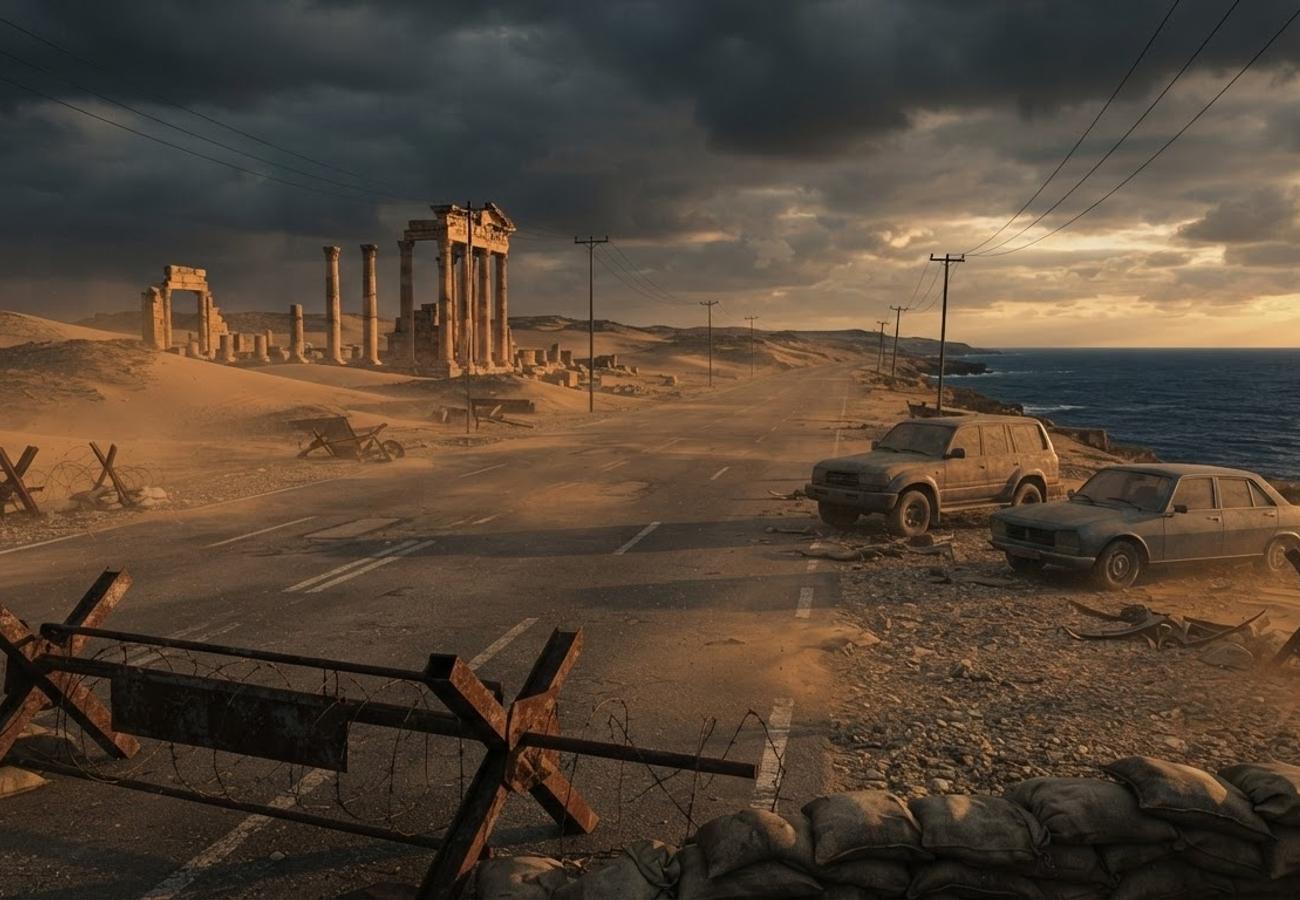
Image generated by AI
The United States government has reaffirmed its highest security warning for Libya, maintaining a Level 4 “Do Not Travel” status as of August 31, 2026. This classification signals life-threatening risks where the US government has limited to no ability to provide emergency assistance to its citizens.
The 2026 Security Assessment
The US State Department's latest review, issued on August 31, 2026, confirms that Libya remains one of the most restricted destinations globally. This Level 4 status is not a new development but a continuation of a strict policy maintained through July 2025 and previous review cycles.
A notable addition to the August 2026 update is the inclusion of a specific "health" indicator alongside the existing warnings for terrorism, violent crime, kidnapping, and civil unrest. For the traveler, this means the risk profile has expanded beyond physical security to include systemic healthcare failures and environmental health hazards.
Systemic Risks: Armed Conflict and Violent Crime
The current security environment in Libya is defined by a fragmented power structure. The widespread availability of weapons and the presence of competing tribal factions, armed groups, and criminal networks create a volatile atmosphere where clashes can erupt without warning.
These instabilities directly impact the safety of foreign nationals. The State Department notes that individuals perceived as wealthy are primary targets for:
- Organized Crime: High rates of carjacking and robbery.
- Trafficking: Extensive drug and human trafficking networks operating across porous border zones.
- Arbitrary Detention: Foreigners face the risk of being detained by armed groups without access to legal counsel or communication with family.
The Kidnapping Threat Profile
Unlike many high-risk zones where danger is confined to specific border regions or remote provinces, the kidnapping and hostage-taking risk in Libya is cited as a nationwide threat. This encompasses both the interior regions and the coastal urban centers.
Abductions are utilized by both extremist actors and criminal gangs for ransom or political leverage. Because these threats are pervasive, the US government discourages all travel rather than suggesting localized caution.
Critical Lack of Consular Support
One of the most significant dangers for any US citizen entering Libya is the total absence of a functioning US embassy within the country. Because the US maintains no diplomatic presence on the ground, there are no routine or emergency consular services available locally.
US citizens requiring assistance must contact the US Embassy in Tunis, Tunisia. However, the State Department warns that the ability of an external mission to provide support is severely limited by:
- Sudden airspace restrictions.
- Road closures due to armed conflict.
- Rapid flare-ups of violence that prevent physical access to detainees or injured parties.
Regional Context and Global Risk Mapping
Libya currently sits in a small subset of global destinations—alongside Syria, Mali, and Somalia—where governance challenges and conflict underpin a total travel ban. While neighboring North African countries have promoted managed tourism corridors and selective reopenings, Libya remains beyond the threshold of acceptable risk for non-essential travel.
Visitor Insider Tips: Navigating High-Risk Zones
While the official guidance is "Do Not Travel," those operating in the region for essential diplomatic or humanitarian reasons should adhere to these local realities:
- Communication Protocols: Never rely on local SIM cards for secure communication; use encrypted satellite phones, as local networks are subject to monitoring.
- Movement Windows: Avoid all travel between cities after dusk. Roadblocks are frequent and unpredictable, often manned by non-state actors.
- Local Etiquette: In the rare event of interaction with local factions, maintain a neutral political stance. Avoid discussing the fragmented nature of the Libyan government.
- Medical Readiness: Carry a comprehensive trauma kit and have a pre-arranged medical evacuation (MEDEVAC) contract, as local healthcare facilities are often unable to handle severe trauma.
Tourism Outlook
The long-term impact of the Level 4 designation is a complete stagnation of the traditional tourism sector. Until a unified security structure is established and a diplomatic presence is restored, Libya will likely remain an outlier in the Mediterranean region. The shift toward including health risks in the 2026 advisory suggests that infrastructure decay is now as significant a deterrent as active conflict.
The absence of a diplomatic safety net makes any entry into Libya a high-stakes gamble with limited recourse.
Related Travel Guides
Disclaimer
This article is for informational and educational purposes only. It does not constitute legal, financial, or professional advice. While we strive to provide accurate and up-to-date information, travel policies, regulations, and conditions change rapidly. Always verify information with official sources before making travel decisions. Nomad Lawyer makes no representations about the accuracy, reliability, completeness, or suitability of the information provided. Readers should consult qualified professionals for advice specific to their circumstances. The views expressed in this article are those of the author and do not necessarily reflect the views of Nomad Lawyer.
Preeti Gunjan
Contributor & Community Manager
A passionate traveller and community builder. Preeti helps grow the Nomad Lawyer community, fostering engagement and bringing the reader experience to life.
Learn more about our team →