
Las Vegas Welcomes 3.17 Million Visitors in July 2026 as Entertainment Travel Surges Across US
Las Vegas recorded a 2.7% increase in July visitors, hitting 3.17 million as entertainment-led travel reshapes US tourism trends in 2026.

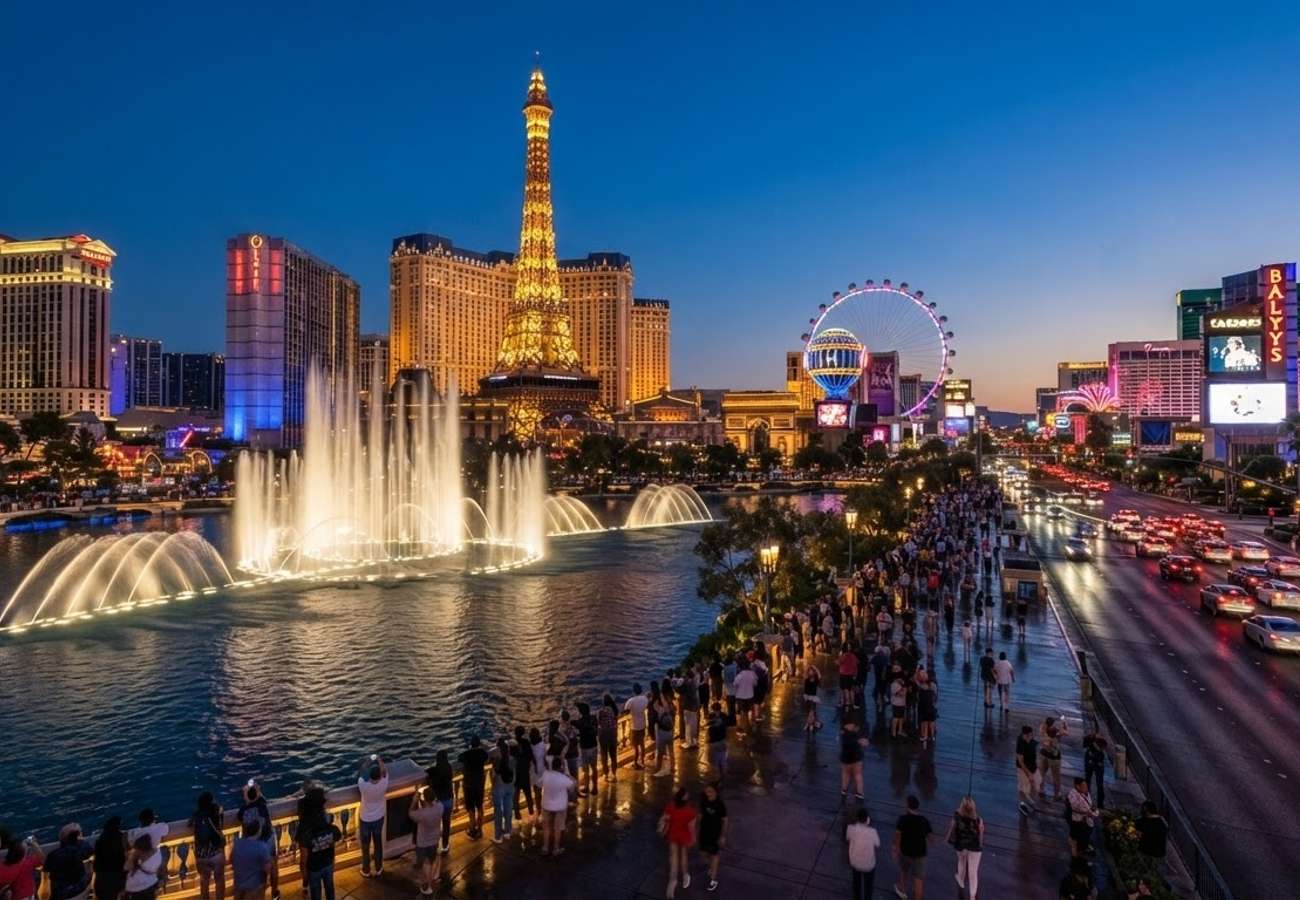
Image generated by AI
3.17 million visitors flocked to Las Vegas in July alone, marking a 2.7% year-on-year increase. This surge signals a definitive shift toward entertainment-led travel as the primary driver for US urban tourism in 2026.
The American tourism sector is witnessing a structural evolution. No longer relying on single-sector draws, major US hubs are building diversified "travel ecosystems." By blending high-stakes entertainment, luxury hospitality, and cultural heritage, cities like Las Vegas, Orlando, and Miami are insulating themselves against volatility in any one market segment.
The Shift Toward Experience-Based Urban Tourism
The current trend reveals that modern travelers are prioritizing "unforgettable experiences" over traditional sightseeing. In Las Vegas, this is evident in the city's transition from a gaming-centric destination to a global entertainment hub. While convention attendance saw a dip in July due to scheduling shifts, the overall visitor count rose, proving that leisure demand—driven by world-class concerts, sports events, and culinary arts—can offset corporate downturns.
This resilience is mirrored in Orlando, where the tourism model has expanded beyond the perimeter of theme parks. Visitors are now integrating their stays with local dining, outdoor adventures, and cultural exploration, extending the average length of stay and increasing per-capita spending.
Regional Performance Breakdown
The strength of the US market in 2026 is characterized by the specialized roles different cities play within the national tourism framework.
| Destination | Primary Growth Driver | Strategic Focus | Key Tourism Body |
|---|---|---|---|
| Las Vegas | Leisure & Entertainment | Luxury Resorts & Sports | Las Vegas Convention and Visitors Authority (LVCVA) |
| Orlando | Family & Theme Parks | Integrated Experience Packages | Visit Orlando |
| Miami | International & Cruise | Latin American/European Gateways | Greater Miami Convention & Visitors Bureau |
| New York City | Global Gateway | Culture, Broadway & Landmarks | NYC Tourism + Conventions |
| Chicago | Urban Events & Architecture | Festivals & Convention Synergy | Choose Chicago |
Cultural and Environmental Value
For the visitor, the real impact of this trend is the democratization of the "luxury experience." Tourism is moving away from gated attractions toward integrated neighborhood experiences. In New York and Chicago, there is a visible push toward promoting waterfront areas and local districts, which spreads economic benefits beyond the city centers and into local communities.
Miami is leveraging its position as a cruise capital to encourage "pre-and-post" stays. This practice reduces the carbon footprint per visitor by encouraging longer, slower stays in one location rather than rapid transit, while simultaneously supporting local boutique hotels and independent restaurants.
Visitor Insider Tips
To navigate these high-demand hubs during the peak summer window, travelers should consider these local strategies:
- Las Vegas Off-Peak Windows: To avoid the July heat and crowds, aim for "shoulder season" visits in late September or October. For dining, look beyond the Strip to the Arts District for authentic local culinary experiences.
- Orlando Strategy: Use the "mid-week pivot." Theme park crowds peak on weekends; scheduling your primary attractions for Tuesday through Thursday can significantly reduce wait times.
- Miami Connectivity: If arriving via cruise, book your hotel in the Wynwood or Design District rather than just the beach zone to experience the city's burgeoning street art and gallery culture.
- NYC Navigation: Avoid the mid-summer tourist traps in Times Square. Instead, explore the High Line during early morning hours to avoid the heat and the heaviest foot traffic.
Tourism Outlook
The long-term trajectory for US tourism is one of diversification. The ability of these cities to maintain growth despite fluctuations in business travel suggests a permanent shift in consumer behavior. The reliance on international gateways—specifically in Miami and New York—will remain a critical economic pillar. As global connectivity evolves, these cities are positioned not just as destinations, but as essential hubs for the global "experience economy."
The era of the single-attraction trip is over; the age of the integrated urban experience has arrived.
Related Travel Guides
Disclaimer
This article is for informational and educational purposes only. It does not constitute legal, financial, or professional advice. While we strive to provide accurate and up-to-date information, travel policies, regulations, and conditions change rapidly. Always verify information with official sources before making travel decisions. Nomad Lawyer makes no representations about the accuracy, reliability, completeness, or suitability of the information provided. Readers should consult qualified professionals for advice specific to their circumstances. The views expressed in this article are those of the author and do not necessarily reflect the views of Nomad Lawyer.
Kunal K Choudhary
Co-Founder & Contributor
A passionate traveller and tech enthusiast. Kunal contributes to the vision and growth of Nomad Lawyer, bringing fresh perspectives and driving the community forward.
Learn more about our team →