
US Fishing Tourism and Conservation 2026: NOAA Red Snapper Windows, State Permits, and $145.4 Billion Economic Impact

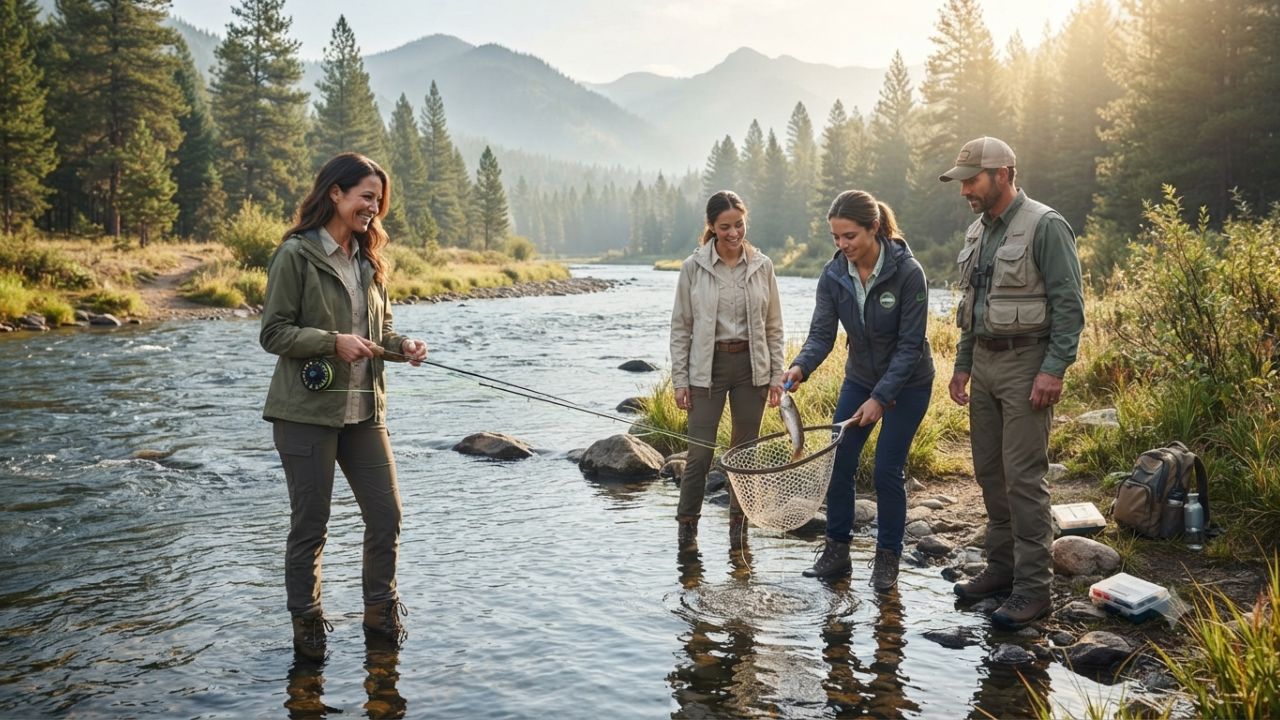
NOAA's October 2026 South Atlantic red snapper window highlights the role of science-based conservation in sustaining America's $145.4 billion recreational angling economy.
Recreational fishing tourism across the United States is increasingly defined by science-driven conservation frameworks, strict seasonal windows, and targeted license structures. As the National Oceanic and Atmospheric Administration (NOAA) opens a special October 2026 red snapper fishing season in the South Atlantic, state wildlife agencies from Alaska to Hawaii are demonstrating how real-time population management, habitat protection, and user-fee funding models sustain a $145.4 billion national marine angling industry.
October South Atlantic Red Snapper Opening: Dates, Quotas, and State Protocols
[WASHINGTON, D.C., October 4, 2026] — NOAA Fisheries has approved tailored recreational openings for red snapper across federal and state waters off Florida, Georgia, and South Carolina. Designed to gather scientific catch data while providing recreational access, the October 2026 rules require strict adherence to permit choices, daily bag limits, and mandatory barotrauma mitigation gear.
| State / Regulatory Jurisdiction | Seasonal Window & Bag Limits | Licensing, Registry & Gear Requirements |
|---|---|---|
| South Atlantic Federal Waters | October 9–11, 2026 (Recreational) | Limit: 1 red snapper per person daily; No size limit. |
| Florida State Waters (Special Permit) | October 9–22, 2026 (Permit Holders) | Requires free State Reef Fish Angler designation + permit. |
| Florida Aggregate Group Limit | 10 fish aggregate limit (Snapper/Grouper) | Max 1 red snapper; Descending devices required for barotrauma. |
| Southeast Alaska (King Salmon) | Aug–Sep 2026 (Expired Sep 30) | Annual nonresident limit raised to 4 (Min 28 inches). |
| Sitka, Alaska (Coho Salmon) | Closed Sep 15–Oct 31, 2026 | Bear Cove & Deep Inlet closed for hatchery egg take goals. |
| Montana Rivers (Hoot Owl Rules) | 2:00 PM to Midnight Fishing Bans | Applied dynamically to rivers experiencing high water temps. |
| Yellowstone National Park | Restrictions ended Sep 4, 2026 | Native release mandatory; Invasive lake trout kill mandatory. |
| Hawaii Nonresident Ocean License | $20 (1-Day) / $40 (7-Day) / $70 (Annual) | Funds artificial reefs and fish aggregation devices (FADs). |
Florida Reef Angler Compliance and Barotrauma Release Gear
Participation in Florida’s extended October 9–22 special red snapper window requires explicit regulatory compliance. Private recreational anglers aged 16 and older must hold a valid saltwater fishing license along with the free State Reef Fish Angler designation. Charter captains operating for-hire vessels must register their boats with the state registry and declare all trips prior to departing the dock.
Key Angling Compliance Standards:
1. Scheme Selection: Travelers cannot combine federal (Oct 9–11) and special permit (Oct 9–22) seasons.
2. Trip Declarations: Charter captains handle trip declarations for paying customers before departure.
3. Barotrauma Gear: Vessels targeting reef fish must carry functional descending devices or venting tools.
4. Catch Identification: Anglers must accurately differentiate native species from restricted or invasive fish.
To combat barotrauma—a condition where expanding internal gases injure fish brought quickly from deep water—Florida state law mandates that anglers carry descending devices. These tools return released fish to deep water pressures, significantly increasing post-release survival rates and supporting long-term fishery health.
Economic Scale: $145.4 Billion Sales Impact and Federal Restoration Funds
Recreational saltwater fishing forms a major pillar of the US coastal tourism economy. According to NOAA’s national economic data, recreational angling activities generate billions in direct sales, business income, and employment.
NOAA Marine Recreational Economic Summary:
• Total Output / Sales Impact: $145.4 Billion
• Employment Support: 694,041 Full- and Part-Time Jobs
• Total Income Impact: $47.1 Billion
• Value-Added Contribution: $78.4 Billion
• Dominant Expense Category: Durable equipment purchases, charter bookings, and fuel
Beyond direct tourist spending, public conservation is backed by federal funding channels. Under the Sport Fish Restoration Program, the federal government allocated $442,852,945 for Fiscal Year 2026 (including returned funds from prior years). Distributed to state wildlife agencies through excise taxes on fishing tackle, motorboat fuel, and import duties, top state allocations include:
- Alaska: ~$22.1 Million
- Florida: ~$17.1 Million
- Montana: ~$11.0 Million
These allocations fund public boat ramps, fish hatcheries, aquatic education, and continuous habitat restoration, creating a self-sustaining cycle where angler purchases directly fund habitat conservation.
Regional Case Studies: Dynamic Management in Alaska, Montana, Yellowstone, and Hawaii
State wildlife agencies adjust fishing access dynamically based on real-time environmental data:
1. Alaska: Salmon Quota Fluctuations
In Southeast Alaska, fishery managers increased the nonresident annual king salmon limit to four fish during August and September 2026 due to lower-than-expected early catches. Conversely, managers closed Bear Cove and Deep Inlet near Sitka to coho salmon sport fishing from September 15 through October 31, 2026, to protect hatchery broodstock returning for reproduction.
2. Montana: Temperature-Driven "Hoot Owl" Restrictions
In response to summer heatwaves and low river flows, Montana institutes afternoon fishing bans (commonly known as "hoot owl" restrictions) prohibiting fishing between 2:00 PM and midnight. These measures reduce stress and mortality on wild trout populations when water temperatures exceed critical thresholds.
3. Yellowstone National Park: Native Protection vs. Invasive Suppression
Yellowstone enforces strict species-specific mandates:
- Mandatory Catch-and-Release: All native cutthroat and Arctic grayling must be returned to the water unharmed.
- Mandatory Harvest: Anglers catching invasive lake trout in Yellowstone Lake are required by park law to kill the fish immediately to prevent native cutthroat displacement.
- Aquatic Invasive Species (AIS) Checks: All float tubes, waders, and watercraft undergo mandatory clean, drain, and dry inspections before entering park waters.
4. Hawaii: Nonresident Ocean Fishing Licensing
Hawaii requires nonresident marine anglers aged 15 and older to purchase dedicated state fishing licenses:
- 1-Day License: $20.00
- 7-Day License: $40.00
- Annual License: $70.00 (Active-duty military and minor dependents exempt)
Revenues generated—forecast at approximately $1.0 million annually—fund artificial reef construction, offshore fish aggregation devices (FADs), and coastal stock enhancement across the Hawaiian islands.
Best Practices for Conservation-Minded Fishing Travelers
To navigate complex state and federal fishing regulations, international and domestic travel planning should emphasize thorough preparation:
- Verify Current Orders: Check state wildlife portal updates within 24 hours of departure, as emergency closures can take effect immediately.
- Confirm Guide Credentials: Ensure hired charter captains hold appropriate state reef registrations, federal permits, and required safety gear.
- Budget Mandatory Fees: Incorporate state license costs, reef designations, and charter gratuities into overall trip budgets.
- Maintain Travel Flexibility: Build alternative land-based or cultural itineraries into angling trips to accommodate unexpected weather or conservation closures.
By integrating responsible angling practices and respecting real-time conservation limits, fishing tourists ensure that America's marine and freshwater ecosystems remain vibrant for future generations.
Related Travel Guides
Disclaimer
This article is for informational and educational purposes only. It does not constitute legal, financial, or professional advice. While we strive to provide accurate and up-to-date information, travel policies, regulations, and conditions change rapidly. Always verify information with official sources before making travel decisions. Nomad Lawyer makes no representations about the accuracy, reliability, completeness, or suitability of the information provided. Readers should consult qualified professionals for advice specific to their circumstances. The views expressed in this article are those of the author and do not necessarily reflect the views of Nomad Lawyer.
Raushan Kumar
Founder & Lead Developer
Full-stack developer with 11+ years of experience and a passionate traveller. Raushan built Nomad Lawyer from the ground up with a vision to create the best travel and law experience on the web.
Learn more about our team →