
Europe's Emerging Canal Cities: Strasbourg, Annecy, and Utrecht Challenge Venice and Amsterdam in 2026
As Venice and Amsterdam implement strict tourism fees and cruise restrictions, a new wave of waterway destinations including Utrecht and Strasbourg are attracting global travelers seeking sustainable, authentic canal experiences.

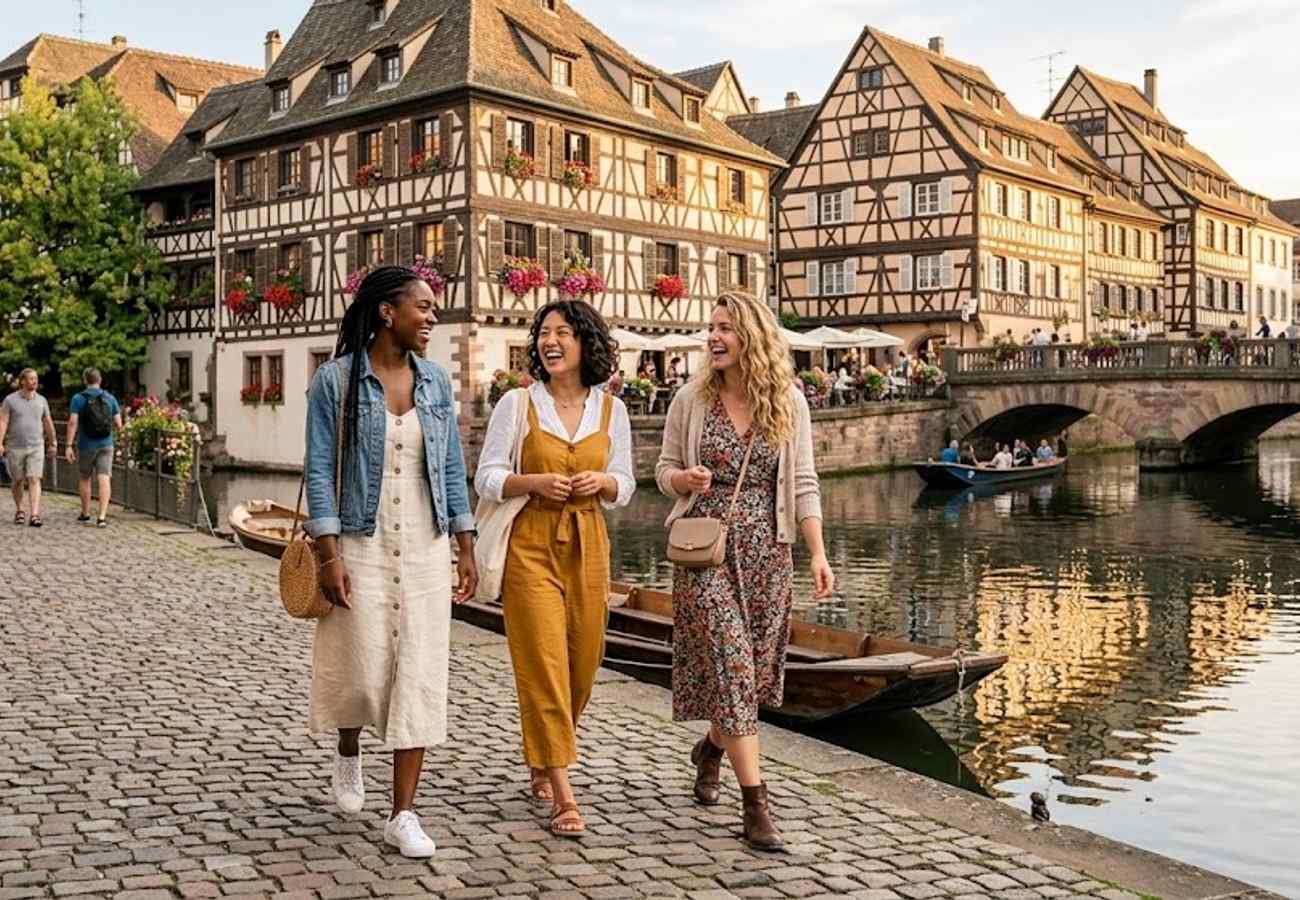
Image generated by AI
The era of the "canal capital" is diversifying. As Venice and Amsterdam introduce aggressive visitor management fees and infrastructure restrictions, a new tier of waterway destinations is transforming from secondary stops into primary global travel sensations.
The Shift in European Waterway Tourism
For decades, the European canal experience was synonymous with Venice and Amsterdam. However, record-breaking visitor numbers have forced these cities to pivot toward protectionist tourism models. Venice has implemented day-tripper access fees during high-demand periods and restricted large tour groups. Similarly, Amsterdam has tightened policies on new hotel developments and cruise ship activity in central zones to protect local community needs.
This regulatory pressure, combined with a growing demand for "slow tourism," has accelerated the rise of alternative waterway hubs. Travelers are now prioritizing destinations where canals remain integrated into daily civic life rather than existing solely as tourist attractions. This trend is benefiting cities such as Utrecht (Netherlands), Bruges (Belgium), Strasbourg and Annecy (France), Aveiro (Portugal), Hamburg (Germany), Wrocław (Poland), and Delft (Netherlands).
Utrecht: The Strategic Alternative to Amsterdam
Utrecht has emerged as the most formidable challenger to Amsterdam’s dominance. The city's primary draw is the Oudegracht, a 12th-century canal system featuring a unique architectural anomaly: split-level wharf structures known as werven. Unlike traditional canal houses, these lower-level areas were originally commercial loading zones. Today, they house a dense concentration of waterfront restaurants, craft breweries, and cafés located directly at water level.
Key Utrecht Attractions:
- Dom Tower: A 112-metre landmark providing panoramic regional views.
- Rietveld Schröder House: A UNESCO World Heritage site of modern architecture.
- Museum Speelklok: Specialized collection of self-playing musical instruments.
- Centraal Museum: Focuses on Dutch art and local history.
Utrecht Transit Connectivity
| Connection | Travel Information |
|---|---|
| International Arrival Point | Amsterdam Airport Schiphol |
| Airport Transfer | Direct trains every 15 minutes |
| Journey Time (Schiphol) | 25–30 minutes |
| Amsterdam Centraal Link | 20–25 minutes |
| Rail Access | Connected via Amsterdam and Brussels networks |
Bruges and Strasbourg: Heritage and Gastronomy
While Utrecht offers a modern urban alternative, Bruges and Strasbourg provide deep dives into medieval and regional heritage.
Bruges, Belgium Bruges continues to leverage its UNESCO World Heritage-listed center. The Groenerei (Green Canal) remains the signature experience, offering a quieter, more intimate perspective of medieval façades than the larger capitals. The city has successfully bundled its canal tours with a high-end gastronomy identity centered on Belgian chocolate and traditional beer culture.
Strasbourg, France Located in the Alsace region, Strasbourg blends French and German influences. The Grande Île is the city's focal point, surrounded by the River Ill. The La Petite France district is the epicenter of its canal identity, characterized by half-timbered houses and historic bridges that once served the city's millers and tanners.
Regional Canal Profile Comparison
| Destination | Primary Appeal | Signature Experience | Ideal Travel Window |
|---|---|---|---|
| Bruges | Medieval Romance | Groenerei Boat Tours | April–May / Sept–Oct |
| Strasbourg | Alsatian Culture | La Petite France Walk | Year-round (Peak Dec) |
| Utrecht | Waterfront Lifestyle | Wharf-level Dining | Year-round |
Traveler Logistics Guide: Navigating the New Waterways
From a ground-level perspective, the best way to navigate these emerging hubs is to avoid the "peak-summer" trap that currently plagues Venice.
Booking and Connectivity For those using Utrecht as a base, avoid booking hotels in the immediate city center during the Utrecht Early Music Festival or the Netherlands Film Festival, as prices spike and availability vanishes. Because Utrecht is only 30 minutes from Schiphol, it is often more efficient to stay in Utrecht and commute into Amsterdam for a single day rather than vice versa.
Navigating Customs and Digital Transit Travelers entering these zones should be aware of the increasing digitalization of European transit. In the Netherlands, ensure your rail passes are updated via the NS app for seamless transfers. For those moving between France and Germany (Strasbourg), keep digital copies of passports ready, as random spot checks occur near the border regions.
Optimal Layover Strategies If connecting through Brussels to reach Bruges, utilize the secure luggage lockers at Brussels-South (Midi) station. This allows for a "stopover" day in the city before the short rail trip to the coast, preventing the need to haul heavy luggage across Bruges' cobbled streets.
Infrastructure Impact Assessment
The redistribution of tourist flows is reducing the "overtourism" burden on Venice and Amsterdam, but it is placing new pressure on the infrastructure of smaller cities. The transition of Utrecht's wharves from storage to commercial hospitality shows a successful model of adaptive reuse. However, the reliance on rail connectivity means that any disruption in the Amsterdam-Brussels corridor significantly impacts these secondary cities. The growth of these destinations is driving investment in cycling infrastructure and pedestrian-only zones, effectively moving these cities toward a more sustainable, low-carbon tourism model.
The shift toward secondary canal cities is not merely a trend, but a structural realignment of European travel.
Related Travel Guides
Disclaimer
This article is for informational and educational purposes only. It does not constitute legal, financial, or professional advice. While we strive to provide accurate and up-to-date information, travel policies, regulations, and conditions change rapidly. Always verify information with official sources before making travel decisions. Nomad Lawyer makes no representations about the accuracy, reliability, completeness, or suitability of the information provided. Readers should consult qualified professionals for advice specific to their circumstances. The views expressed in this article are those of the author and do not necessarily reflect the views of Nomad Lawyer.
Raushan Kumar
Founder & Lead Developer
Full-stack developer with 11+ years of experience and a passionate traveller. Raushan built Nomad Lawyer from the ground up with a vision to create the best travel and law experience on the web.
Learn more about our team →