
Lake Tahoe Wild Hike Filled With Wildflowers in 2026
A stunning Lake Tahoe wild hiking trail showcases vibrant wildflowers, volcanic crags, and alpine panoramas within a compact, accessible route. Spring 2026 marks peak bloom season for this gem.

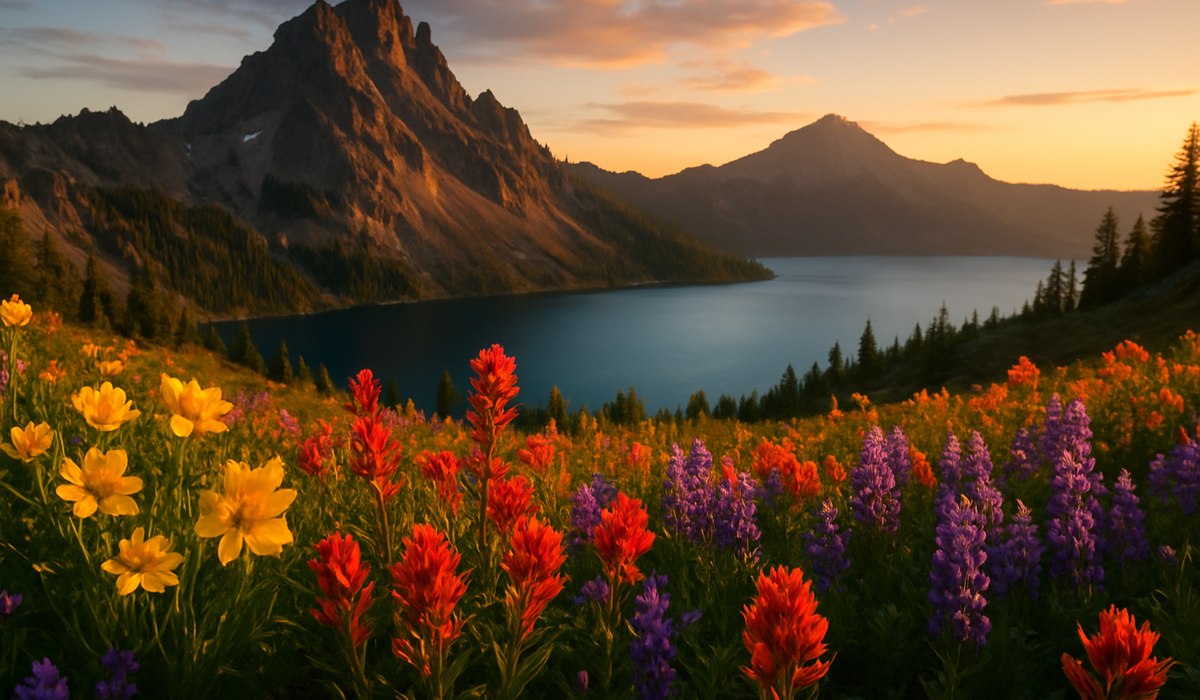
Image generated by AI
A Lake Tahoe Wild Hiking Trail Bursting With Alpine Blooms
A hidden Lake Tahoe wild hiking trail is currently exploding with wildflower color, combining dramatic volcanic geology, panoramic mountain vistas, and shimmering lake views into one compact, accessible route. Hikers venturing onto this scenic path in spring 2026 discover nature's full alpine pageantry—from delicate lupine and Indian paintbrush to weathered volcanic peaks and the famous turquoise waters below. The trail delivers maximum scenic impact within just a few miles, making it ideal for travelers seeking high-reward hiking without extreme technical demands. Optimal bloom season runs through late May, offering a narrow window for photographers and nature enthusiasts to witness peak wildflower displays against Lake Tahoe's legendary backdrop.
The Trail: A Wildflower Wonder Near Lake Tahoe
This Lake Tahoe wild route stands out among regional hiking destinations for its remarkable biodiversity compressed into modest distance. The path traverses multiple elevation zones, each hosting distinct wildflower communities as temperatures and moisture levels shift. Early-season hikers encounter mule's ears and balsamroot near lower elevations, while higher sections reveal alpine lupines, delicate columbine, and scarlet gilia. The volcanic geology creates dramatic visual contrast—weathered basalt formations frame meadows carpeted in bloom, while ancient lava flows support specialized plant communities found nowhere else in the region. Most sections remain manageable for intermediate hikers, though certain steep pitches demand careful footing. The lake views intensify progressively as elevation increases, rewarding early effort with increasingly expansive vistas across the basin.
For detailed elevation profiles and waypoint data, consult the American Hiking Society's Lake Tahoe region guide at americanhikingsociety.org.
Best Time to Visit for Peak Wildflower Bloom
Wildflower phenology around Lake Tahoe wild zones follows predictable patterns governed by snowmelt timing and elevation. Peak bloom typically occurs mid-May through early June, when soil moisture remains adequate but summer heat hasn't yet stressed delicate petals. 2026 winter snowfall appears average, suggesting on-schedule bloom timing across most zones. Late April hikers encounter fewer flowers but enjoy greater solitude. By mid-June, higher-elevation blooms reach their zenith while lower sections begin fading. Weather variability substantially impacts bloom duration—warm springs can compress the season to three weeks, while cool, wet springs extend displays through July. Trail conditions improve steadily through May as snowpack recedes, though some north-facing sections may retain icy patches into late April.
Check current conditions at the official Lake Tahoe Basin Management Unit website before planning specific travel dates.
What to Expect: Geology and Alpine Views
The volcanic geology underlying this hike creates some of Lake Tahoe's most distinctive landscape features. Towering volcanic crags visible from trail sections date from ancient calderas and cinder cones, now weathered by millennia into dramatic spires and ridges. These formations create natural amphitheaters that funnel wind patterns, influencing local microclimates and wildflower distribution. Alpine meadows occupy areas where volcanic soil combines with adequate moisture—often in depressions between lava flows. The contrast between barren volcanic rock and wildflower-filled meadows provides striking photography throughout the route. Lake views improve steadily with elevation gain, eventually revealing panoramic vistas spanning the entire basin. On clear days, distant Sierra peaks create layered mountain horizons that extend visual distance well beyond the immediate landscape.
The USGS Volcano Disaster Assistance Program offers detailed geologic interpretations of Tahoe-area volcanic features online.
Trail Tips for First-Time Hikers
New hikers tackling this Lake Tahoe wild route should prepare for rapid elevation changes and variable weather despite the trail's moderate overall difficulty. Starting early maximizes daylight for photography and reduces afternoon thunderstorm exposure. Bring sun protection—alpine exposure and reflective volcanic rock intensify UV radiation, causing rapid sunburn even under overcast skies. Water sources exist intermittently; carrying at least three liters prevents dehydration at elevation. Proper footwear matters substantially on volcanic terrain, which crumbles unexpectedly and can turn ankles if hikers aren't careful. Wildflower identification guides enhance the experience considerably—consider downloading the California Native Plant Society's regional wildflower app before departure. Weather shifts rapidly in alpine zones; carry lightweight layers even during warm spring days. Late-day afternoon crowds can be substantial during peak bloom weekends, so weekday visits offer superior solitude and photography conditions.
Lake Tahoe Wild Hike Details Table
| Aspect | Details |
|---|---|
| Trail Distance | 4.2–6.8 miles (depending on turnaround point) |
| Elevation Gain | 1,200–1,800 feet |
| Difficulty Level | Intermediate |
| Peak Bloom Window | Mid-May through early June 2026 |
| Best Visiting Hours | 7:00 AM–2:00 PM |
| Primary Wildflowers | Lupine, Indian paintbrush, columbine, balsamroot, mule's ears |
| Parking Availability | 45–60 spots; arrive before 9:00 AM weekends |
| Water Sources | Two reliable creek crossings at miles 1.5 and 3.2 |
| Seasonal Hazards | Lingering snowpack, afternoon thunderstorms, exposure to sun |
| Nearest Town | South Lake Tahoe (35 minutes drive) |
What This Means for Travelers
This emerging Lake Tahoe wild trail provides exceptional value for North American travelers seeking concentrated natural beauty without extreme technical demands. Here's how to optimize your visit:
-
Plan April visits around wildflower calendars – Mid-May generally offers peak displays with optimal weather windows. Monitor regional wildflower forecasts starting in April to predict exact timing.
-
Arrive earliest at parking – Overflow parking fills by 9:30 AM on weekends during peak bloom. Weekday visits guarantee parking and superior photography light without crowds.
-
Combine with nearby attractions – Pair this hike with Lake Tahoe's shoreline trails, Emerald Bay kayaking, or alpine lake camping for multi-day itineraries maximizing regional geology and ecology exposure.
-
Invest in wildflower field guides – California wildflower identification apps transform casual hiking into educational botanical experiences, deepening landscape appreciation.
-
Check volcanic geology resources – Understanding the geologic underpinnings transforms scenic appreciation into geological literacy, adding contextual richness to visual experiences.
Frequently Asked Questions
What makes this Lake Tahoe wild hike different from standard Tahoe trails?
The compressed combination of volcanic geology, wildflower meadows, and lake vistas within modest distance creates rare scenic intensity. Most comparable Lake Tahoe trails require longer distances or higher elevation gains to achieve equivalent visual impact. The volcanic landscape itself distinguishes this route from typical granite Sierra trails.
Can children and casual hikers safely complete this route?
Yes, with modifications. Casual hikers can turn around at the first meadow (approximately 2 miles) while still experiencing peak wildflower displays. Children aged 8+ typically manage the lower sections comfortably. Bring adequate breaks, snacks, and water for younger hikers.
What photography gear optimizes wildflower documentation?
Wide-angle lenses (16–35 mm) capture alpine meadows and volcanic crags together. Macro capabilities (50 mm or dedicated macro lens) reveal wildflower details. Polarizing filters reduce sky glare and intensify
Disclaimer
This article is for informational and educational purposes only. It does not constitute legal, financial, or professional advice. While we strive to provide accurate and up-to-date information, travel policies, regulations, and conditions change rapidly. Always verify information with official sources before making travel decisions. Nomad Lawyer makes no representations about the accuracy, reliability, completeness, or suitability of the information provided. Readers should consult qualified professionals for advice specific to their circumstances. The views expressed in this article are those of the author and do not necessarily reflect the views of Nomad Lawyer.
Kunal K Choudhary
Co-Founder & Contributor
A passionate traveller and tech enthusiast. Kunal contributes to the vision and growth of Nomad Lawyer, bringing fresh perspectives and driving the community forward.
Learn more about our team →