
Sacred Rhythms of the High Himalaya: The 11th Ladakh Zanskar Festival Celebrates Districthood in Padum

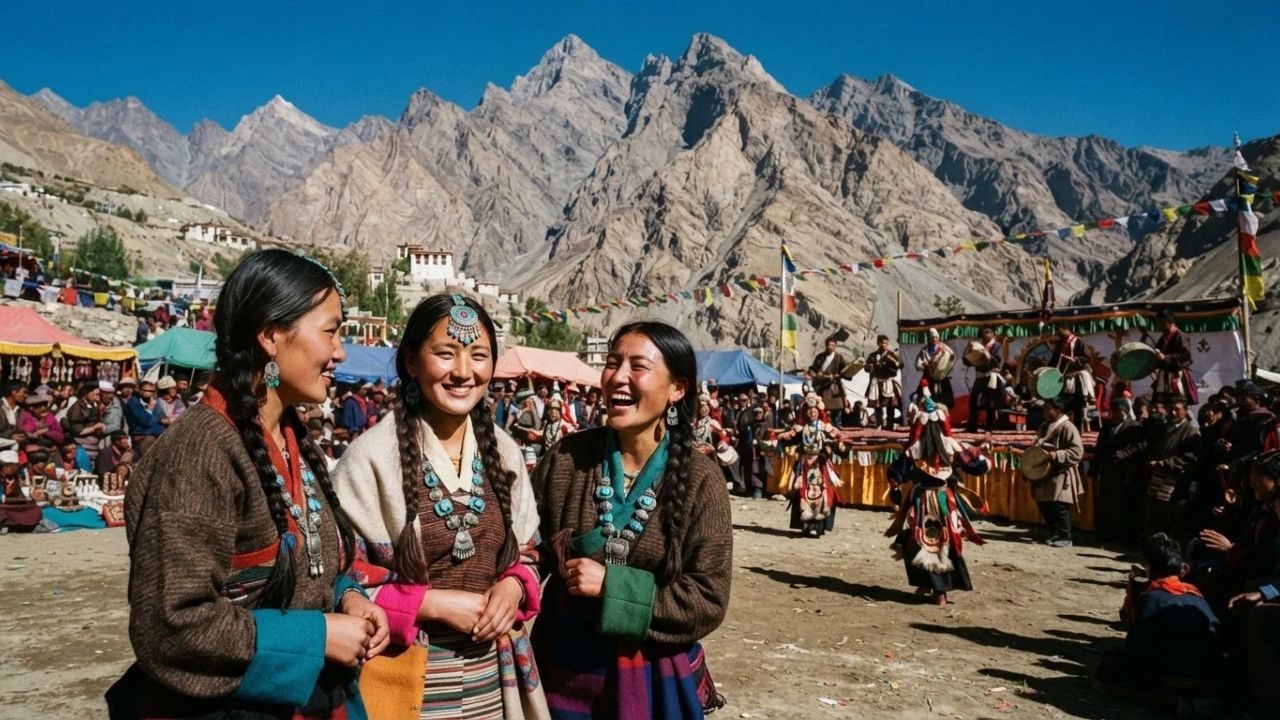
Cut off from surrounding valleys for generations behind snowbound Himalayan passes that sealed its villages for up to eight months every winter, Zanskar has long existed as one of the most secluded high-altitude realms on Earth. Yet on Tuesday, the 11th Ladakh Zanskar Festival commenced along the sacred shores of Sani Lake near Padum, inaugurating an unprecedented historic chapter: the very first time this vibrant cultural gathering has taken place since the region officially attained its own distinct district status within the Union Territory of Ladakh.
Inaugurated by Ladakh Lieutenant Governor Vinai Kumar Saxena, this landmark gathering represents far more than an annual showcase of monastic rites and folk melodies. For the indigenous communities, traditional artists, and cultural custodians who converged in Padum, the event marks a formal awakening of self-governance, regional recognition, and sustainable economic revitalization. By placing local heritage at the heart of administrative decentralization, Zanskar is redefining how remote Himalayan valleys welcome global travelers without compromising their ancient soul.
The 11th Ladakh Zanskar Festival: A High-Altitude District Inauguration
The convening of the 11th edition of the festival around Sani Lake reflects an intentional pivot in how northern India approaches remote cultural tourism. In prior years, regional festivals across the valley functioned primarily as localized village gatherings with restricted regional reach, limited promotional support, and minimal administrative integration into wider national travel itineraries. The formal elevation of Zanskar to distinct district status has fundamentally altered that dynamic.
Inaugurating the festival, Lieutenant Governor Vinai Kumar Saxena underscored the administration's commitment to transforming Zanskar into a vibrant, self-reliant territory where ancient traditions thrive alongside progressive infrastructure. The official inclusion of the 11th Ladakh Zanskar Festival in the territorial tourism calendar establishes an enduring platform for regional artisans, youth entrepreneurs, and village cooperatives.
Throughout the festival grounds, visitors experience authentic folk performances, rhythmic traditional music played on high-pitched surnas and resonant daman drums, sacred cham mask dances performed by Buddhist monks, and exhibitions of exquisite local handloom weaving. Rather than treating indigenous traditions as mere spectacle, industry planners and local authorities are encouraging artisans to harness digital channels and modern e-commerce networks. This strategy aims to bring hand-woven yak-wool shawls, copper repoussé metalwork, and organic mountain barley directly to international buyers while keeping economic value firmly inside village hands.
Enhanced road connectivity from primary transit junctions such as Leh and Kargil has played an instrumental role in facilitating access to this once-impenetrable pocket of the Trans-Himalaya. As mountain passes receive engineering upgrades and seasonal travel windows expand, travelers can reach the valley with greater reliability, turning what was once an extreme mountaineering expedition into an enriching cultural pilgrimage.
What Makes Zanskar Valley Unique in the Trans-Himalaya
Cradled between the Great Himalayan Range to the south and the jagged peaks of the Zanskar Range to the north, Zanskar occupies an average elevation exceeding 3,600 meters above sea level. This extreme geographical isolation allowed the valley to preserve Tibetan Buddhist traditions, communal agrarian systems, and architectural wonders with a purity unmatched anywhere else in northern India.
Centering the festival’s celebrations is Sani Lake, resting beside the storied Sani Monastery (Sani Gompa). Unlike most Ladakhi monasteries that cling to sheer rock faces like fortified eagles' nests, Sani is built flat on the valley floor. It is revered as one of the oldest religious foundations in the entire Himalayan chain, historically associated with the Indian mahasiddha Naropa and Padmasambhava. Within its compound stands the ancient Kanika Chorten, believed to have been constructed during the Kushan Empire under Emperor Kanishka in the 2nd century CE.
Beyond Sani, the administrative capital of Padum sits near the confluence of the Doda and Tsarap rivers, which merge to form the thunderous Zanskar River. Across the surrounding gorges rise centuries-old monastic sanctuaries like Karsha Gompa, Stongde, and the cliff-hanging wonder of Phugtal, built around a natural limestone cave. In these whitewashed stone complexes, monastic life continues in unbroken continuity, governed by seasonal prayers, solar calendars, and spiritual disciplines that have endured through dynasties.
The natural environment is equally dramatic. Zanskar’s arid, high-mountain terrain features wind-carved canyon walls, jagged scree slopes, and turquoise glacial streams that nourish terraced fields of golden barley and sweet peas. Because the rain shadow of the main Himalaya blocks the Indian monsoon, the valley enjoys crisp blue skies throughout late summer, creating an extraordinary contrast between sun-drenched granite bluffs and snow-dusted summits.
Visitor Insider Tips: Navigating Padum, Sani Lake, and High Passes
Navigating an expedition into Zanskar requires meticulous logistical preparation and deep cultural awareness. As documented through the official resources of Incredible India, travelers must respect the physiological and geographical realities of high-altitude mountain travel.
- Prioritize Gradual Acclimatization: Never rush directly to Padum from low elevations. Travelers arriving by air in Leh must spend at least 48 hours resting before beginning the multi-hour overland drive. If traveling via Kargil, break the journey overnight in Rangdum or Kargil to allow your body to adjust to elevations crossing 4,400 meters at Pensi La pass. Carry hydration salts and monitor for any early symptoms of Acute Mountain Sickness (AMS).
- Embrace Sacred Monastic Etiquette: When visiting Sani Lake, Sani Gompa, or any village chorten, always walk clockwise around religious structures. Keep your voice hushed inside assembly halls (dukhang), remove your shoes at temple entrances, and never step over sacred texts or prayer implements. Always seek respectful permission before taking close-up portraits of monks or elderly villagers.
- Savor Indigenous High-Mountain Flavors: Replenish your energy with authentic Zanskari food. Seek out family-run homestays for steaming bowls of thukpa (noodle soup with mountain vegetables), freshly prepared tingmo (steamed sourdough buns), and tsampa (roasted barley flour blended with hot butter tea). Sip warm gur-gur cha, the salty butter tea that provides sustained warmth and essential electrolytes against dry alpine winds.
- Master Road Realities and Transit Windows: The overland journey from Kargil through the Suru Valley across Pensi La, or along the developing road from Leh, crosses challenging gravel paths and river fords. Hire a high-clearance four-wheel-drive vehicle operated by an experienced local Ladakhi driver who understands sudden weather shifts and mountain tyre repairs. Start your driving legs at dawn before glacial melt swells afternoon mountain streams.
- Base Yourself in Village Homestays: While basic guest lodges exist in central Padum, staying in village homestays near Sani or Karsha offers an intimate glimpse into local household rhythms. Your accommodation fees directly support local host families, providing supplementary income that finances winter heating supplies and children's education.
Cultural and Environmental Context: Preserving Himalayan Traditions Amid Infrastructure Booms
The expansion of tourism and infrastructure into Zanskar represents a pivotal historical crossroads. For decades, local residents endured extreme hardship, cut off from emergency healthcare, higher education, and trade during harsh sub-zero winters. While improved roads and district status bring long-overdue public services, they also introduce urgent conservation responsibilities for this fragile alpine ecosystem.
Zanskar’s subsistence agriculture depends entirely on glacial meltwater channeled through intricate stone canals (kuhls) to irrigate barley and pea terraces. The rapid retreat of glaciers, including the prominent Drang-Drung glacier near Pensi La, poses a severe long-term threat to water security across the valley. Uncontrolled commercial vehicular traffic and unmanaged tourism waste could easily degrade sensitive wetland habitats around Sani Lake and delicate high-altitude pastures where snow leopards, Himalayan ibex, and Tibetan wolves roam.
To safeguard this delicate heritage, community leaders and regional tourism planners are championing low-impact, sustainable tourism models. Visitors are strongly urged to avoid single-use plastic bottles by utilizing refillable filtration flasks, to pack out all non-biodegradable waste, and to honor wildlife protection zones. By patronizing local guides, buying directly from handloom artisans, and respecting traditional village values, conscious travelers help ensure that Zanskar’s hard-won district status ushers in an era of cultural pride and ecological resilience rather than unchecked exploitation.
FAQ: Visiting Zanskar Valley 2026
What makes the 11th Ladakh Zanskar Festival historically significant? The 11th edition marks the inaugural staging of the festival since Zanskar was officially established as an independent district, highlighting regional self-governance and the formal inclusion of the valley's cultural heritage in official territorial tourism calendars.
Where do the main festival events take place? Festivities take place around the sacred waters of Sani Lake and adjacent heritage sites near Padum, the administrative and commercial hub of Zanskar Valley.
How do travelers reach Zanskar from Leh or Kargil? Travelers reach Padum via high-clearance vehicles overland from Kargil through the scenic Suru Valley over Pensi La pass, or via newly developed arterial mountain corridors connecting from Leh, requiring careful acclimatization and sturdy transport.
What is the ideal season to attend cultural festivals in Zanskar? Late summer through September offers the finest conditions, featuring clear sunny days, manageable mountain passes, and lively cultural festivals before autumn freezes close the high Himalayan trails.
High above the clouds, where ancient stone chortens mirror the eternal snows, Zanskar steps into its new era with quiet dignity and an enduring soul.
Related Travel Guides
Disclaimer
This article is for informational and educational purposes only. It does not constitute legal, financial, or professional advice. While we strive to provide accurate and up-to-date information, travel policies, regulations, and conditions change rapidly. Always verify information with official sources before making travel decisions. Nomad Lawyer makes no representations about the accuracy, reliability, completeness, or suitability of the information provided. Readers should consult qualified professionals for advice specific to their circumstances. The views expressed in this article are those of the author and do not necessarily reflect the views of Nomad Lawyer.
Raushan Kumar
Founder & Lead Developer
Full-stack developer with 11+ years of experience and a passionate traveller. Raushan built Nomad Lawyer from the ground up with a vision to create the best travel and law experience on the web.
Learn more about our team →