
Japan Launches Environmental Assessment for Saga High-Speed Line, Promoting Kyushu Shinkansen Route Expansion and Opening New Transit Pathways for International Tourists: New Travel Alert
Japan begins environmental assessment for Nishi Kyushu Shinkansen expansion in Saga Prefecture, transforming Kyushu train travel routes.

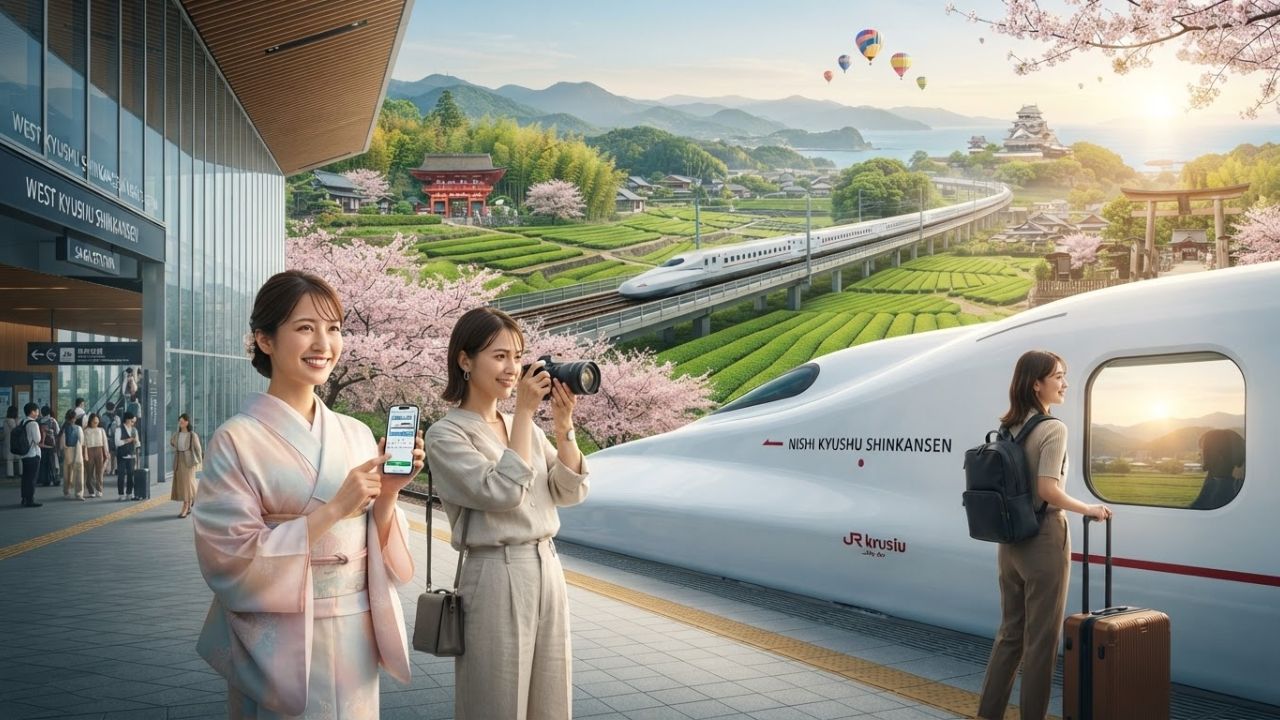
Image generated by AI
Published on July 18, 2026
The national government of Japan has joined forces with Saga Prefecture to initiate a comprehensive environmental assessment, driving forward the proposed Kyushu Shinkansen route expansion across western Japan. This key planning stage aims to evaluate the ecological and structural impacts of extending the high-speed rail network through a vital geographical corridor. For international tourists looking to explore hot spring towns, historic castle districts, and traditional ceramics centers, here is everything you need to know about the upcoming rail routes and current transit guidelines.
Quick Summary
- Environmental Phase: The national government and Saga Prefecture have agreed to launch environmental studies to assess the Nishi Kyushu Shinkansen expansion.
- Geographical Link: The proposed route runs through Saga Prefecture, a critical transit corridor connecting Fukuoka's Hakata Station with Nagasaki.
- Local Destinations Benefited: Cities including Saga City, Tosu, Takeo, Ureshino, and Nagasaki will experience faster transit and improved visitor flow.
- Current Travel Setup: Travelers continue using the JR limited express and Nishi Kyushu Shinkansen Kamome services, with a transfer at Takeo Onsen Station.
- Regional Tourism Focus: The expansion aims to draw international travelers away from crowded centers like Tokyo, Kyoto, and Osaka to Kyushu's rural attractions.
Context and Background: The Goals of the Kyushu Shinkansen Route Expansion
The Nishi Kyushu Shinkansen network represents a major project in Japan's national infrastructure strategy, aimed at improving regional mobility and spreading economic benefits to lesser-known prefectures. Establishing a high-speed line through Saga Prefecture is vital because it connects Fukuoka's Hakata Station, the main entry gate to Kyushu, with western destinations. By initiating this environmental assessment, the Saga Prefecture Government and the national administration are evaluating the technical, environmental, and regional development aspects of this extension.
For tourists, this project highlights the rising importance of western Kyushu as a prime cultural destination. Saga is already positioned as a key stop for travelers seeking hot springs, traditional crafts, and historical landmarks. Upgrading the rail network will make these destinations much easier to incorporate into multi-city Japanese itineraries, helping to reduce tourist congestion in Japan's major metropolitan centers.
Event and Incident Details: The Saga High-Speed Rail Corridor
The proposed Shinkansen route expansion is designed to improve transit times and visitor movement between several key cities in Saga and Nagasaki Prefectures:
- Saga City: Saga Station is undergoing urban planning improvements to strengthen connections, offering visitors access to the Saga Castle History Museum and local dining.
- Tosu City: Shin-Tosu Station serves as a key railway interchange, connecting regional transport options with the main Kyushu Shinkansen network.
- Takeo City: Takeo Onsen is a famous wellness destination, known for its historic hot spring baths and luxury ryokans.
- Ureshino City: Served by Ureshino Onsen Station, the area attracts visitors with its traditional tea culture and hot springs.
- Nagasaki City: The waterfront terminus of the Nishi Kyushu Shinkansen, known for its waterfront scenery, historic districts, and cultural landmarks.
Currently, passengers traveling from Hakata Station to Nagasaki utilize the Relay Kamome limited express service, transferring at Takeo Onsen Station to board the Nishi Kyushu Shinkansen Kamome service. JR Kyushu recommends buying a single ticket covering the full journey before boarding.
Risk and Impact: Infrastructure Evaluations for the Kyushu Shinkansen Route Expansion
Building high-speed rail lines requires balancing technical requirements with the conservation of local communities and historical heritage. The environmental assessment will examine several risk factors:
- Environmental Considerations: Assessing noise levels, vibration impact on residential areas, and ecological disruption in rural valleys.
- Construction Challenges: Planning routes through mountainous terrain without disrupting historical castle districts or traditional hot spring aquifers.
- Logistical Management: Handling seasonal passenger surges, such as the thousands of domestic and global tourists arriving for the Saga International Balloon Fiesta.
- Economic Costs: Evaluating construction funding agreements between national agencies and local prefectural governments.
The list below outlines the primary tourism segments in Saga Prefecture that are expected to benefit from the expansion:
- Craft Heritage: Famous ceramics manufacturing centers in Arita (Arita-yaki), Imari (Imari-yaki), and Karatsu (Karatsu-yaki).
- Nature Exploration: Access to Genkai National Park, coastal beaches, and Ariake Sea tidal flat regions.
- Wellness Travel: Historic hot spring ryokan accommodations in Takeo and Ureshino.
- Cultural Landmarks: Historical castles, museums, and traditional festivals in Karatsu and Saga City.
What Authorities and Experts Are Saying: Balancing Development and Heritage
Regional planning representatives from Saga and Nagasaki Prefectures highlight that the environmental assessment is a crucial first step before any construction decisions are finalized. Authorities stress that the process will ensure that the high-speed rail line is built responsibly, respecting both the natural environment and local heritage.
Transportation planners from JR Kyushu note that while the current transfer arrangements at Takeo Onsen Station are functional, a direct Shinkansen line will make travel much smoother. Experts agree that improving access to western Kyushu will help distribute tourism revenue to rural communities, supporting local craftspeople and independent hospitality businesses.
Practical Traveler Advice: Navigating Kyushu by Train
For international visitors planning to explore Saga and Nagasaki during the assessment phase, travel coordinators suggest the following tips:
- Utilize Kyushu Rail Passes: Look into regional JR Kyushu Rail Pass options for cost-effective travel, but make sure to check eligibility rules before purchasing.
- Pre-Book Seat Reservations: Several limited express trains and Shinkansen services require separate seat reservations, especially during peak holiday periods.
- Plan for Takeo Onsen Transfers: Ensure you follow signage at Takeo Onsen Station for a quick transfer between the Relay Kamome and Kamome Shinkansen trains.
- Coordinate Around Major Events: Plan accommodation far in advance if visiting during major events like the Saga International Balloon Fiesta in autumn.
- Explore Regional Ceramics Towns: Take local JR lines to visit traditional pottery workshops in Arita, Karatsu, and Imari.
Broader Context: Expanding Japan's Regional Tourism
The proposed high-speed rail expansion aligns with Japan's broader strategy to expand regional tourism. As metropolitan hubs like Tokyo, Kyoto, and Osaka experience high tourist volumes, national planners are encouraging travelers to discover the cultural wealth of lesser-known prefectures.
By connecting historic hot spring towns and agricultural valleys to the high-speed rail network, the project makes regional travel more practical. This helps support sustainable travel habits, giving tourists a deeper understanding of Japan's history, culinary traditions, and rural landscapes.
Looking Ahead: Environmental Studies and Construction Planning
Over the coming months, technical teams will continue to gather data for the environmental assessment, focusing on geological stability and noise impact. Local administrations in Saga City will also complete their planned station upgrades. Once the assessment is complete, the national government and Saga Prefecture will negotiate the final construction agreements, moving the region closer to a fully integrated high-speed rail network.
Conclusion: Emphasizing Preparedness and Vigilance
Japan's decision to begin environmental assessment work for the Saga Shinkansen route represents a major step for Kyushu's transport future. While the final routes are being evaluated, tourists can comfortably explore the region's hot springs, festivals, and castles using the existing JR network. By planning itineraries early, using regional rail passes, and staying informed about transfer routes, travelers can explore Kyushu's historic landmarks safely and efficiently.
FAQ: Saga Shinkansen Expansion and Kyushu Rail Travel
What is the purpose of the Saga Shinkansen environmental assessment?
The assessment evaluates the environmental, construction, and regional planning impacts of expanding the high-speed rail network through Saga Prefecture.
How do travelers currently reach Saga and Nagasaki from Fukuoka?
From Hakata Station in Fukuoka, travelers take a JR train to Saga. For Nagasaki, they ride the Relay Kamome limited express, transfer at Takeo Onsen, and board the Nishi Kyushu Shinkansen.
Which cities will benefit from the Kyushu Shinkansen route expansion?
Key destinations include Saga City, Tosu, Takeo, Ureshino, and Nagasaki, which will see improved rail connectivity.
Can international tourists use rail passes in Kyushu?
Yes, JR Kyushu Rail Passes are available and offer significant value for multi-city travel, though separate seat reservations may be required.
What are the main attractions in Saga Prefecture?
Saga is famous for hot springs (Takeo Onsen, Ureshino Onsen), traditional ceramics (Arita-yaki, Imari-yaki, Karatsu-yaki), and the Saga International Balloon Fiesta.
Related Travel Guides
Europe Schengen Border Controls: EES Biometrics & UK Travel 2026
Disclaimer
This article is for informational and educational purposes only. It does not constitute legal, financial, or professional advice. While we strive to provide accurate and up-to-date information, travel policies, regulations, and conditions change rapidly. Always verify information with official sources before making travel decisions. Nomad Lawyer makes no representations about the accuracy, reliability, completeness, or suitability of the information provided. Readers should consult qualified professionals for advice specific to their circumstances. The views expressed in this article are those of the author and do not necessarily reflect the views of Nomad Lawyer.
Kunal K Choudhary
Co-Founder & Contributor
A passionate traveller and tech enthusiast. Kunal contributes to the vision and growth of Nomad Lawyer, bringing fresh perspectives and driving the community forward.
Learn more about our team →