
Kyrgyzstan Tajikistan and Laos Emerging Frontier Tourism Trends for Adventure Travelers in 2026
Analysis of the rising tourism appeal of Kyrgyzstan's Batken region and Tajikistan's Gorno-Badakhshan, highlighting high-altitude adventure and Silk Road cultural heritage for 2026.

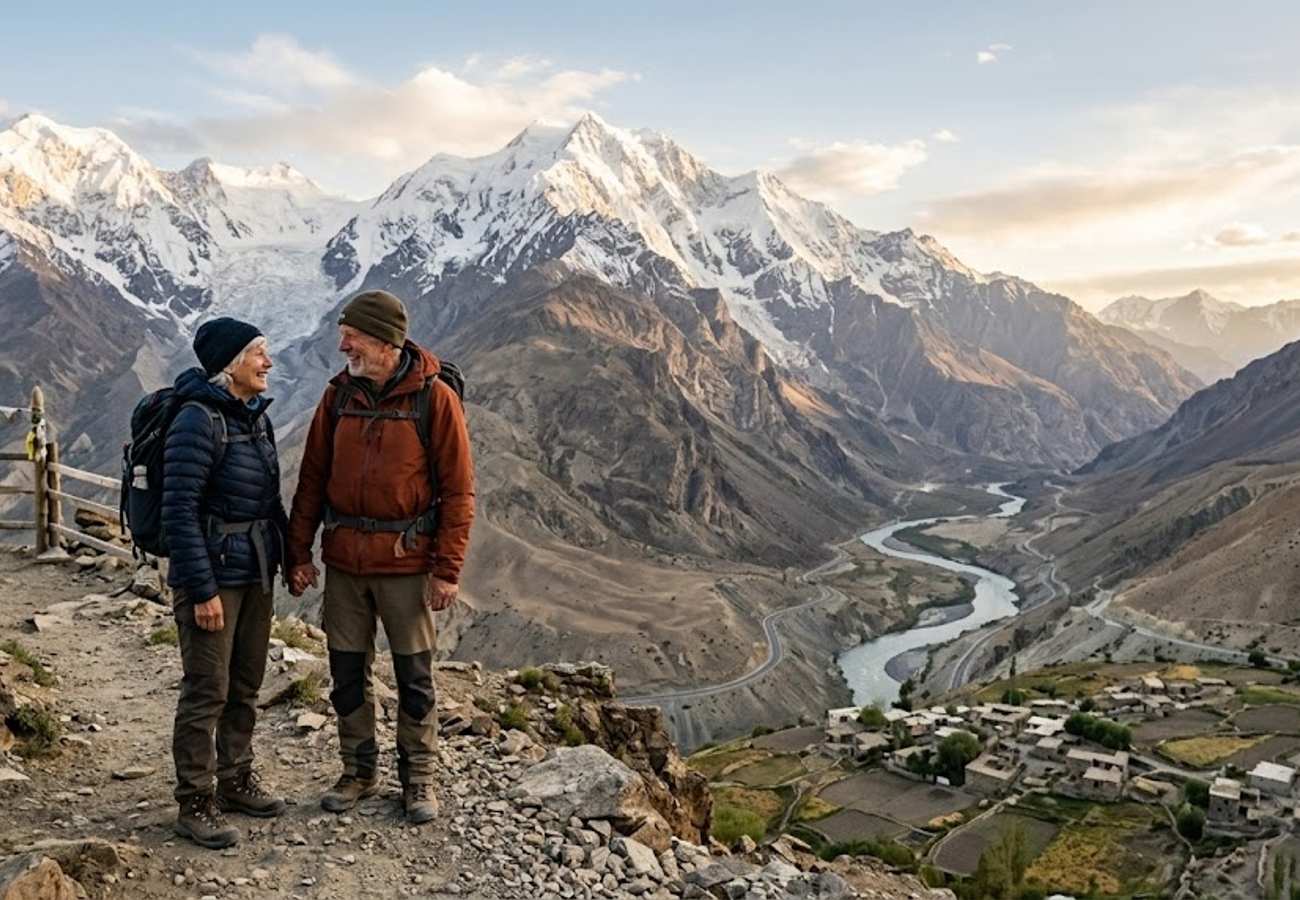
Image generated by AI
The shift toward "hidden treasures" in Central and Southeast Asia is accelerating, as travelers abandon overcrowded hubs for the untouched landscapes of Kyrgyzstan, Tajikistan, and Laos.
The Rise of Frontier Tourism in Central Asia
Current travel data indicates a pivot toward destinations that offer deep cultural immersion and minimal tourist density. Kyrgyzstan and Tajikistan are emerging as primary beneficiaries of this trend, positioning themselves as the "hidden wonders" of Asia. These regions are specifically targeting the "curious traveler" demographic—those seeking authentic connections over commercialized sightseeing.
Batken Region, Kyrgyzstan: The New Mountain Frontier
Located in southwestern Kyrgyzstan, the Batken Region is currently one of the least explored zones in the country. While traditional tourism centers on Bishkek and Issyk-Kul Lake, Batken remains largely outside the primary circuit, providing a distinct advantage for those seeking isolation.
The region is situated at the intersection of the Turkestan and Pamir-Alay mountain systems, resulting in a high concentration of dramatic peaks and rare biodiversity.
Key Attractions and Activities in Batken
- Karavshin Gorge: Frequently compared to Patagonia due to its massive granite cliffs, this area is a primary hub for rock climbing, mountain trekking, and expedition travel.
- The Aigul Flower: A rare botanical species endemic to this region. The flowering season occurs around April, creating a specific window for ecological tourism and photography.
- Kan-i-Gut Cave Complex: A site of significant historical importance reflecting ancient mining traditions and the movement of goods across Central Asian trade routes.
Gorno-Badakhshan, Tajikistan: The Roof of the World
The Gorno-Badakhshan Autonomous Region (GBAO) in eastern Tajikistan represents the peak of high-altitude adventure. Bordering Afghanistan, China, and Kyrgyzstan, GBAO is defined by its extreme geography and the Pamir Mountains.
Our analysis of the region shows that GBAO remains significantly less visited than the Himalayas, despite offering similar scale and grandeur.
The Pamir Highway and Wakhan Corridor
The primary draw for GBAO is the Pamir Highway, recognized as one of the world's most challenging and dramatic overland journeys. This route is not merely a road but a transit through high-altitude plateaus and remote villages.
Parallel to this is the Wakhan Corridor, which serves as a living museum of the Silk Road. For the traveler, this means access to:
- Ancient caravan routes and historic settlements.
- Traditional communities that have preserved their lifestyles for centuries.
- Direct interaction with the cultural heritage of the Silk Road.
Passenger Rights & Advisory for Frontier Travel
Traveling to remote regions like Batken or GBAO involves complexities that differ from standard European or North American itineraries. For the affected passenger, this means a higher reliance on local permits and specialized logistics.
Permit Requirements: Our analysis of regional policies suggests that GBAO requires a special permit (GBAO permit) in addition to a standard Tajik visa. Failure to secure this prior to arrival at the border can lead to immediate denial of entry.
Logistical Risks and Compensation: Unlike flights within the EU (covered by EU261/2004), travel in these frontier regions is often handled by small, local operators. For the passenger, this means:
- Limited Recourse: Standard aviation compensation for delays or cancellations rarely applies to small-scale regional charters or overland transport.
- Insurance Necessity: Travelers should ensure their policy specifically covers "high-altitude trekking" and "emergency aero-medical evacuation," as standard travel insurance often excludes activities above 3,000 meters.
- Rebooking Realities: In regions like the Pamir Highway, "rebooking" is not an automated process. Passengers must maintain a flexible itinerary, as weather-related closures of mountain passes are frequent and non-compensable.
Industry Analyst View
The growth of Batken and Gorno-Badakhshan reflects a broader systemic change in global tourism for 2026. There is a measurable migration away from "bucket list" destinations toward "experience-based" travel.
The industry is seeing a surge in demand for sustainable, low-impact tourism. By promoting regions that have not been transformed by mass tourism, Kyrgyzstan and Tajikistan are leveraging their remoteness as a premium asset. The integration of adventure sports (climbing in Karavshin) with cultural history (the Wakhan Corridor) creates a diversified product that appeals to the high-spending, low-impact traveler.
The era of the predictable vacation is ending; the era of the true expedition has returned.
Related Travel Guides
Disclaimer
This article is for informational and educational purposes only. It does not constitute legal, financial, or professional advice. While we strive to provide accurate and up-to-date information, travel policies, regulations, and conditions change rapidly. Always verify information with official sources before making travel decisions. Nomad Lawyer makes no representations about the accuracy, reliability, completeness, or suitability of the information provided. Readers should consult qualified professionals for advice specific to their circumstances. The views expressed in this article are those of the author and do not necessarily reflect the views of Nomad Lawyer.
Preeti Gunjan
Contributor & Community Manager
A passionate traveller and community builder. Preeti helps grow the Nomad Lawyer community, fostering engagement and bringing the reader experience to life.
Learn more about our team →