
Kuwait International Airport Faces Major Aviation Disruptions Following Iranian Attacks and Gulf Airspace Restrictions in 2026
Kuwait International Airport is experiencing significant flight suspensions and operational chaos as Iranian attacks trigger urgent security reviews and airspace restrictions across the Gulf region in 2026.

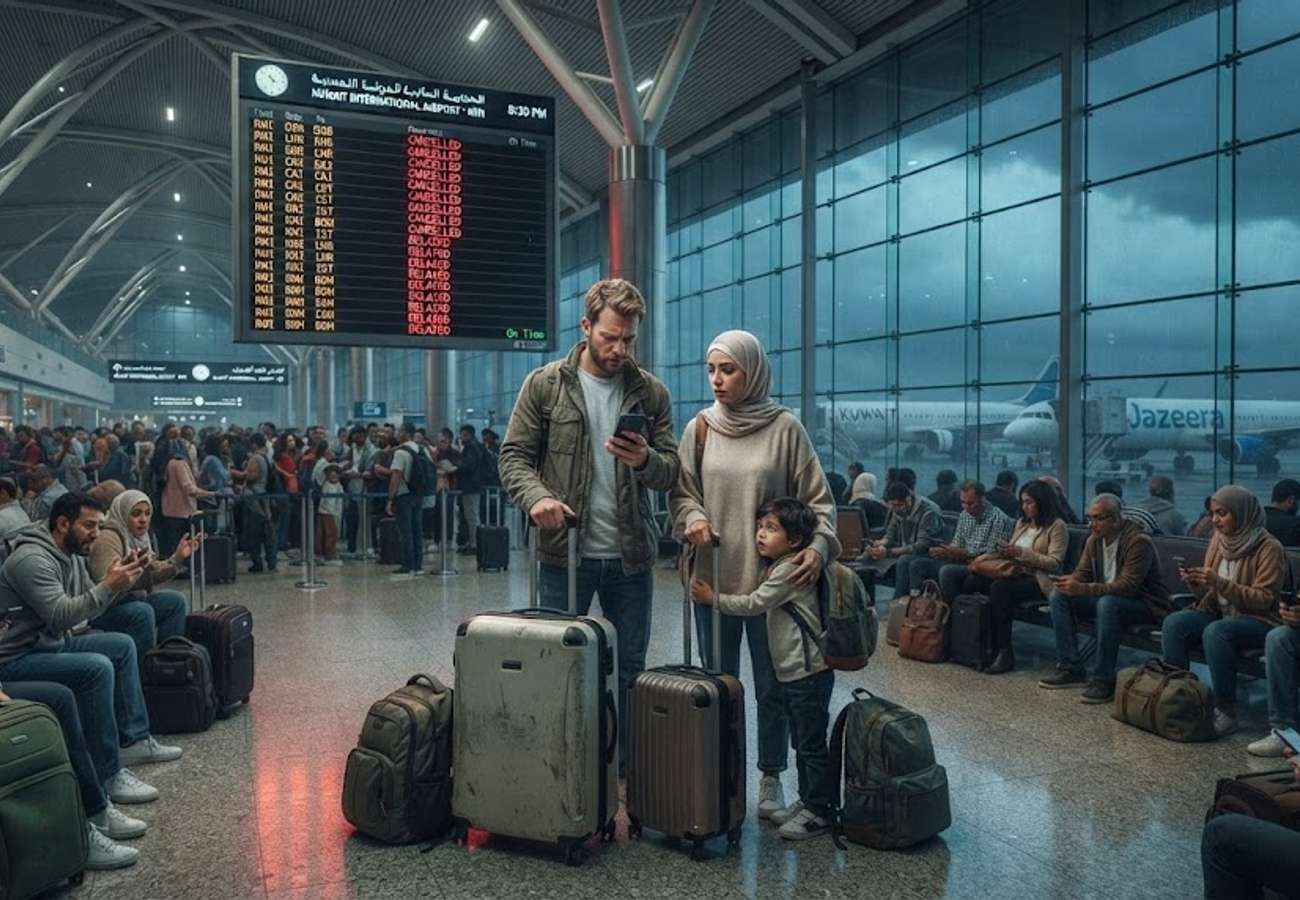
Image generated by AI
Geopolitical tensions have triggered a systemic aviation crisis at Kuwait International Airport, forcing immediate flight suspensions and wide-scale operational shifts across the Middle East.
The Local Trend Revealed: A Shift Toward High-Alert Aviation
Kuwait International Airport, a primary gateway for trade and tourism in the Gulf, is currently navigating a period of intense volatility. The catalyst for this disruption is a surge in regional military activity linked to Iranian attacks, which has compelled aviation authorities to prioritize safety over scheduling.
The situation has evolved from simple delays into a complex security operation. The European Union Aviation Safety Agency (EASA) has issued specific conflict-zone guidance, warning that missile and drone operations pose a direct threat to civilian aircraft. This has forced airlines to move away from standard flight paths, opting instead for longer, more expensive routes to bypass sensitive airspace. For passengers, this means a transition from predictable travel to a state of constant flux, where schedules are rendered obsolete within hours.
Cultural & Environmental Value: Protecting the Gulf Gateway
The stability of Kuwait’s aviation sector is intrinsically linked to the economic health of the region. Beyond the immediate logistics of moving passengers, the airport supports the local economy by facilitating international investment and cultural exchange.
The current crisis underscores the fragility of the "Global Hub" model. While the Gulf has invested billions in becoming the world's primary connection point between East and West, the reliance on a few concentrated airspace corridors makes the region vulnerable to geopolitical shocks. By implementing rigorous risk assessments and adhering to EASA's safety protocols, Kuwait is attempting to preserve its long-term reputation as a safe destination while supporting the local workforce employed in the massive airport ecosystem.
Visitor Insider Tips: Navigating the Crisis
For those who must travel to or through Kuwait during this period of instability, standard booking procedures are insufficient.
- Verification Windows: Do not rely on automated app notifications. Contact your airline directly via phone or official support channels for the most current departure information.
- Arrival Strategy: If your flight is confirmed, arrive at the airport significantly earlier than usual. Increased security screenings and manual document checks are currently slowing down terminal throughput.
- Route Flexibility: If you are booking a connecting flight, avoid tight layovers in the Gulf. Opt for "buffer days" or alternative hubs outside the immediate conflict zone to avoid being stranded.
- Local Etiquette: In times of national security alerts, follow the instructions of airport staff and security personnel without hesitation. Patience is highly valued during these high-stress operational windows.
- Dining Tip: While waiting for delayed flights, seek out local Kuwaiti coffee shops within the terminal to support small-scale airport vendors who are also feeling the economic impact of the disruptions.
Tourism Outlook: The Long-Term Impact
The long-term trajectory of Kuwaiti tourism now depends on the speed of regional stabilization. Aviation is a cornerstone of the national economy; extended disruptions threaten not only airline revenues but also the confidence of international business travelers and tourists.
The 2026 crisis serves as a catalyst for a new era of aviation security planning. Airlines are now integrating real-time military intelligence into their routing software to avoid "blind spots" in airspace. While these measures increase fuel costs and travel times, they are essential for the survival of the Gulf's aviation sector. The ability of Kuwait International Airport to bounce back will depend on its capacity to balance commercial growth with a robust, adaptable security framework that can withstand regional volatility.
Travelers are urged to monitor government travel advisories and maintain flexible itineraries as the Gulf aviation landscape evolves.
Related Travel Guides
Disclaimer
This article is for informational and educational purposes only. It does not constitute legal, financial, or professional advice. While we strive to provide accurate and up-to-date information, travel policies, regulations, and conditions change rapidly. Always verify information with official sources before making travel decisions. Nomad Lawyer makes no representations about the accuracy, reliability, completeness, or suitability of the information provided. Readers should consult qualified professionals for advice specific to their circumstances. The views expressed in this article are those of the author and do not necessarily reflect the views of Nomad Lawyer.
Preeti Gunjan
Contributor & Community Manager
A passionate traveller and community builder. Preeti helps grow the Nomad Lawyer community, fostering engagement and bringing the reader experience to life.
Learn more about our team →