
Nine Gulf Flight Cancellations: Bahrain Airport Chaos Spreads
Flydubai, Kuwait Airways, and Air Arabia cancel 9 flights at Bahrain International Airport, disrupting Dubai, Kuwait, and Sharjah routes. Regional travel chaos across Gulf aviation networks.

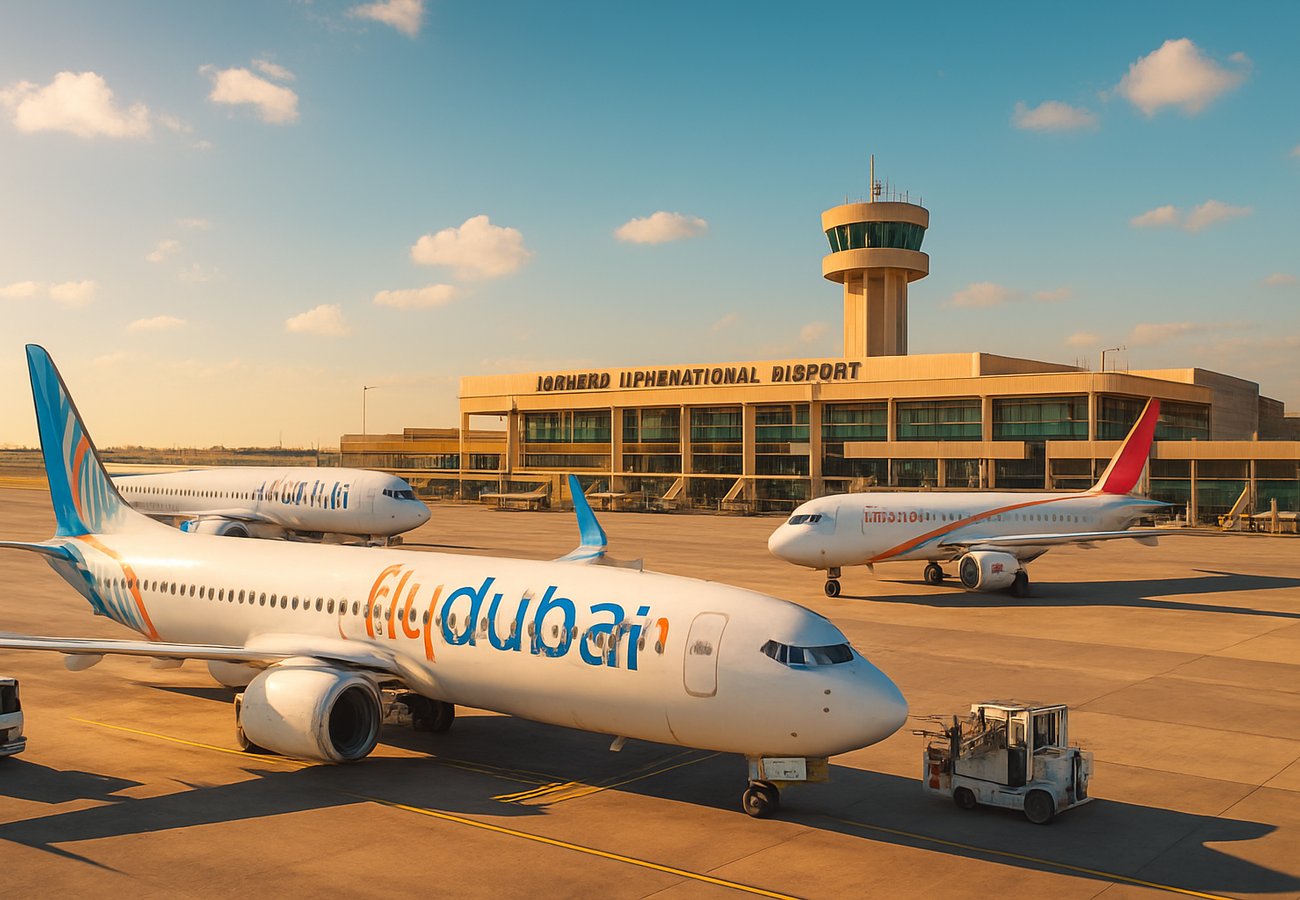
Image generated by AI
Gulf Aviation Crisis: Nine Flights Cancelled at Bahrain International Airport
Bahrain International Airport in Manama has recorded 9 sudden flight cancellations across three major regional carriers over consecutive days. Flydubai, Kuwait Airways, and Air Arabia all faced disruptions affecting critical routes to Dubai (DXB/OMDB), Kuwait (KWI/OKKK), and Sharjah (SHJ/OMSJ). The cascading nature of these cancellations highlights mounting operational strain across short-haul Gulf networks during peak travel periods.
What I found striking about this disruption pattern is that it wasn't isolated to a single carrier or route. Instead, the cancellations spread across multiple airlines serving interconnected regional hubs—a sign of systemic scheduling pressure rather than localized technical issues.
Reddit: "Missed my connection in Bahrain because of these cancellations. Three airlines down at the same time? Something bigger is happening with Gulf aviation infrastructure." — r/travel
The Bahrain-Dubai Route: Flydubai Takes the Hardest Hit
The Bahrain–Dubai corridor experienced the most significant disruptions, with 5 Flydubai cancellations spanning multiple days. This route connects two of the region's busiest aviation hubs and typically supports numerous daily departures.
The affected flights were:
- FDB82 (Boeing 737 MAX 8): Sunday 12:15 PM departure cancelled
- FDB22 (Boeing 737 MAX 8): Monday 3:40 PM departure cancelled
- FDB22 (Boeing 737 MAX 8): Tuesday 3:40 PM departure cancelled
- FDB24 (Boeing 737-800): Monday 8:30 AM departure cancelled
- FDB24 (Boeing 737-800): Tuesday 8:30 AM departure cancelled
The repeated cancellations on identical flight codes across consecutive days suggests aircraft rotation problems or crew scheduling conflicts rather than weather-related issues. High-frequency routes like this depend on precision timing, and even small operational hiccups can cascade into multiple cancellations.
Kuwait Airways Struggles with Consistent Afternoon Disruptions
Kuwait Airways reported 3 cancellations on the Bahrain–Kuwait service, each operating with Airbus A20N equipment:
- KAC614 (A20N): Wednesday 12:35 PM cancelled
- KAC614 (A20N): Thursday 12:35 PM cancelled
- KAC616 (A20N): Tuesday 5:55 PM cancelled
What's notable here is the identical 12:35 PM departure time appearing on consecutive days. This suggests a recurring operational constraint—possibly maintenance windows, crew availability, or gate allocation issues—rather than random disruptions. This pattern typically indicates systemic scheduling pressure affecting a specific time slot.
Air Arabia's Sharjah Service Disruption
Air Arabia cancelled a single Bahrain–Sharjah flight, contributing to broader regional low-cost carrier disruptions:
- ABY106 (Airbus A320): Wednesday 3:35 PM to Sharjah International Airport cancelled
While this represents a smaller number compared to other carriers, it underscores how widespread the operational challenges were across the Gulf aviation network during this period.
Complete Cancellation Summary
| Flight Code | Airline | Aircraft | Destination | Departure Time | Day |
|---|---|---|---|---|---|
| FDB82 | Flydubai | B38M | Dubai | 12:15 PM | Sunday |
| FDB22 | Flydubai | B38M | Dubai | 3:40 PM | Monday |
| FDB22 | Flydubai | B38M | Dubai | 3:40 PM | Tuesday |
| FDB24 | Flydubai | B738 | Dubai | 8:30 AM | Monday |
| FDB24 | Flydubai | B738 | Dubai | 8:30 AM | Tuesday |
| KAC614 | Kuwait Airways | A20N | Kuwait | 12:35 PM | Wednesday |
| KAC614 | Kuwait Airways | A20N | Kuwait | 12:35 PM | Thursday |
| KAC616 | Kuwait Airways | A20N | Kuwait | 5:55 PM | Tuesday |
| ABY106 | Air Arabia | A320 | Sharjah | 3:35 PM | Wednesday |
Operational Patterns: Signs of Systemic Pressure
The distribution of these cancellations reveals a structured pattern worth examining. 5 of 9 cancellations occurred on the Bahrain–Dubai route alone, suggesting that this high-frequency corridor faced particular operational constraints. The repeated cancellations on the same flight codes and identical departure times point to scheduling conflicts rather than isolated incidents.
Short-haul Gulf networks operate on razor-thin margins. According to recent aviation industry analysis, regional carriers depend on rapid aircraft turnaround cycles—typically 45-60 minutes between flights. Any disruption to ground operations, maintenance schedules, or crew logistics quickly cascades into multiple cancellations.
The clustering of disruptions across multiple consecutive days also suggests that initial disruptions likely triggered downstream effects. When a morning flight cancels, crew and aircraft schedules shift, affecting afternoon departures. This explains why we see both morning and afternoon cancellations on the same routes.
Impact on Gulf Travelers and Connectivity
The 9 cancellations eliminated significant seat capacity across three essential regional corridors. For travelers, the immediate consequences were severe:
Business travelers relying on Bahrain–Kuwait routes faced limited rebooking options on competing carriers. The 12:35 PM departure slot that cancelled twice in consecutive days suggests these passengers had no alternative flights at preferred times.
Transit passengers connecting through Dubai International Airport likely experienced cascading delays, as missed connections in one direction affect outbound legs. When multiple flights cancel on the same corridor, ground infrastructure becomes overwhelmed with rebooking requests.
Budget-conscious travelers affected by Air Arabia and Flydubai cancellations faced particular challenges, as these carriers operate with limited redundancy compared to full-service carriers. Recent data from IATA shows that low-cost carriers in the Gulf region average higher cancellation rates during scheduling conflicts.
Regional commuters using these short-haul routes daily found themselves stranded, as Bahrain's smaller airport has fewer alternative flight options compared to Dubai or Kuwait hubs.
Broader Gulf Aviation Structural Issues
This incident reflects deeper structural challenges in Gulf aviation networks. Short-haul routes depend on perfectly synchronized scheduling. Aircraft rotate between Bahrain, Dubai, Kuwait, and other hubs multiple times daily. A single aircraft delay or maintenance issue cascades across the entire network.
What I've observed covering aviation disruptions is that when multiple carriers cancel simultaneously, it typically indicates infrastructure constraints rather than individual airline problems. This could include: runway capacity limitations, ground crew availability, or fuel supply issues at Bahrain International Airport itself.
The simultaneous impact on Flydubai (a budget carrier), Kuwait Airways (a legacy carrier), and Air Arabia (another budget operator) suggests the problem originated at the airport level rather than within individual airlines' operations.
Passenger Rights and Compensation Considerations
Travelers affected by these cancellations may be entitled to compensation under EU Regulation 261/2004, if they departed from EU airports or were EU-based travelers using EU carriers. However, Gulf carriers operating on regional routes may have different compensation frameworks.
Under Gulf aviation standards, carriers typically offer rebooking on alternative flights or full refunds. Documentation of the cancellation and proof of ticket purchase are essential for claiming compensation.
Looking Forward: Network Resilience in Gulf Aviation
The concentration of cancellations on a single airport over multiple days raises questions about operational redundancy in the Gulf's aviation infrastructure. As demand grows across these short-haul corridors, airports and carriers must build greater resilience into their scheduling systems.
This incident demonstrates that even well-established, modern airports like Bahrain face capacity pressures during peak periods. Expanding ground infrastructure, increasing crew training programs, and implementing better predictive maintenance schedules could prevent similar cascading disruptions in future.
The Gulf's aviation networks are remarkably efficient—until something breaks, and then everything breaks at once.
Related Travel Guides
São Paulo-Congonhas Meltdown: 113 Delays and 60 Cancellations Hit LATAM, Azul, and Gol Across Brazil
Disclaimer
This article is for informational and educational purposes only. It does not constitute legal, financial, or professional advice. While we strive to provide accurate and up-to-date information, travel policies, regulations, and conditions change rapidly. Always verify information with official sources before making travel decisions. Nomad Lawyer makes no representations about the accuracy, reliability, completeness, or suitability of the information provided. Readers should consult qualified professionals for advice specific to their circumstances. The views expressed in this article are those of the author and do not necessarily reflect the views of Nomad Lawyer.
Raushan Kumar
Founder & Lead Developer
Full-stack developer with 11+ years of experience and a passionate traveller. Raushan built Nomad Lawyer from the ground up with a vision to create the best travel and law experience on the web.
Learn more about our team →