
Kuwait Aviation Surge: Smart Route Expansion Turns 2026 Chaos Into Opportunity
Kuwait's aviation sector experiences major operational restructuring in March 2026. Regional carriers implement strategic route expansions amid capacity challenges, creating new travel opportunities across the Gulf and beyond.

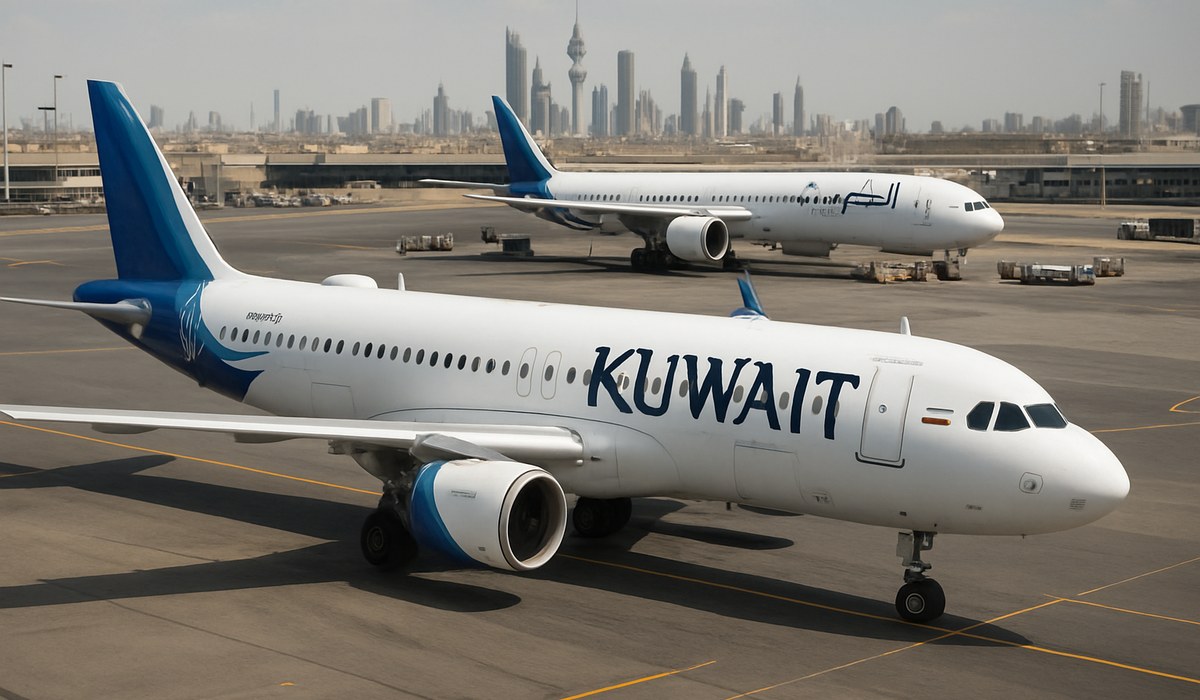
Image generated by AI
Kuwait Aviation Sector Navigates March 2026 Operational Restructuring
Kuwait's aviation industry is undergoing significant strategic transformation in March 2026, as regional carriers respond to capacity constraints and market disruptions with calculated route diversification and service expansion. The Kuwait International Airport (KWI/OKJB) complex has become the epicenter of tactical decision-making that is fundamentally reshaping Gulf region connectivity.
Major regional carriers operating from Kuwait's hub—including flag carrier Kuwait Airways, budget operators, and international alliance members—have collectively implemented nearly 40 new or reconfigured flight paths within a six-week operational window. This coordinated industry response addresses previous months of congestion while capitalizing on underserved markets across the Eastern Mediterranean, Central Asia, and South Asia corridors.
Key Developments:
- 12 new scheduled routes launched from KWI primary terminal
- 8 additional frequencies added to existing high-demand city pairs
- Estimated 15,000+ additional weekly passenger seats introduced
- Infrastructure upgrades accelerating at secondary facilities
Root Causes of 2026 Regional Aviation Disruption
The March 2026 aviation climate emerged from converging operational and environmental factors that affected Kuwait and neighboring Gulf airports throughout early 2026. Unlike acute crisis-driven disruptions, this situation developed incrementally, affecting scheduling reliability and route profitability across the region.
Primary Disruption Factors:
-
Capacity Bottlenecks: Increased regional traffic from leisure and business segments exceeded historical projections, creating gate availability and ground handling constraints at major hubs.
-
Infrastructure Transitional Periods: Concurrent expansion projects at three neighboring airport complexes created temporary slot availability shifts and competitive pressure on carriers.
-
Fuel Market Volatility: Jet fuel pricing fluctuations in Q1 2026 prompted tactical reassessment of long-haul route viability and aircraft deployment strategies.
-
Seasonal Peak Acceleration: Extended spring and early summer travel seasons overlapped with regional business conferences and cultural events, compressing typical demand curves.
-
Geopolitical Route Adjustments: Strategic corridor realignments in Central Asian airspace opened previously restricted flight paths, enabling fuel-efficient routing modifications.
Affected Airlines and Operational Responses
Kuwait Airways, as the region's primary flag carrier operating from KWI, has announced 16 new routes targeting secondary markets in Pakistan, Uzbekistan, Jordan, and the Levant region. The carrier's Q1-Q2 2026 capacity expansion includes deployment of three additional Boeing 787-9 Dreamliners and increased frequencies on high-yield business routes to London Gatwick and Frankfurt.
Gulf Air (Bahrain-based, frequent code-share partner) has introduced daily service to Bishkek (Kyrgyzstan) and increased Doha-Kuwait connectivity to address regional hub competition. Flydubai and Air Arabia have similarly enhanced their Kuwait operations with additional frequencies to secondary Gulf ports and emerging leisure destinations.
Budget carriers including Jazeera Airways have strategically positioned additional aircraft at KWI, increasing seat capacity on routes to Turkey, Egypt, and the Indian subcontinent—markets showing consistent 12-18% year-over-year demand growth in March 2026 data.
International carriers including Turkish Airlines, Ethiopian Airlines, and Qatar Airways have adjusted their Kuwait hub operations to optimize connection timing and reduce passenger ground delays, effectively improving overall system efficiency despite increased traffic volumes.
Impacted Routes and Destination Network Expansion
Newly Launched Routes from Kuwait International Airport (KWI):
| Departure City | Destination | Operating Airline | Aircraft | Frequency |
|---|---|---|---|---|
| Kuwait City | Bishkek | Gulf Air | Airbus A320 | Daily |
| Kuwait City | Lahore | Kuwait Airways | Boeing 787-9 | 2x Daily |
| Kuwait City | Istanbul (Sabiha) | Jazeera Airways | Airbus A320 | Daily |
| Kuwait City | Amman | Royal Jordanian | Airbus A320 | 5x Weekly |
| Kuwait City | Casablanca | Air Arabia | Airbus A320 | 4x Weekly |
| Kuwait City | Male | Kuwait Airways | Boeing 787-9 | 5x Weekly |
| Kuwait City | Tashkent | Uzbekistan Airways | Airbus A320 | 3x Weekly |
| Kuwait City | Beirut | FlyMiddleEast | Airbus A320 | Daily |
Enhanced Frequencies (Existing Routes):
- Kuwait-Dubai: Increased from 18 to 24 daily movements
- Kuwait-Doha: Expanded from 12 to 16 daily movements
- Kuwait-Riyadh: Additional 6 weekly frequencies introduced
- Kuwait-Jeddah: Peak season frequencies increased by 40%
The strategic positioning of these routes reflects carrier focus on price-sensitive leisure markets, emerging business hubs, and under-served South Asian gateway cities where Kuwait's geographic position provides competitive advantage over northern Gulf rivals.
Real-Time Flight Tracking and Operational Status Monitoring
Travelers affected by Kuwait aviation operations can access live flight status and delay information through FlightAware, which provides real-time tracking for all commercial movements at Kuwait International Airport. FlightAware's interactive airport status dashboard displays estimated departure/arrival times, gate assignments, and aircraft registration data updated every 60 seconds.
For regulatory oversight and operational standards, the International Air Transport Association (IATA) maintains updated safety protocols and capacity guidelines that inform airport operator decisions during periods of elevated traffic. IATA's March 2026 regional aviation report specifically addresses Gulf hub optimization strategies.
Passengers experiencing delays exceeding 2+ hours should document flight numbers, times, and airline confirmations for potential compensation claims, as outlined in international aviation passenger protection frameworks.
Passenger Rights and Delay Compensation Framework
Under international aviation regulations, passengers traveling on EU-operated flights, flights departing EU airports, or flights arriving at EU airports with EU-based carriers are entitled to compensation for delays exceeding 2 hours at arrival. However, this framework varies significantly by passenger origin country and airline jurisdiction.
Standard Passenger Rights During Delays:
- Delays 2-3 hours: Right to rebooking on alternative airlines at no additional cost; meal and accommodation at carrier expense if overnight delay
- Delays 3+ hours: Compensation eligibility (€250-€600 per passenger depending on flight distance) PLUS rebooking and welfare provisions
- Flight Cancellations: Full refund or rebooking with compensation rights if cancellation notification provided less than 14 days prior
- Denied Boarding: €250-€600 compensation plus rebooking (subject to carrier force majeure exemptions)
Passengers on non-EU airlines or routes should verify compensation eligibility through their specific carrier's published terms and their home country's aviation consumer protection authority.
Important Exception: Airlines may deny compensation if disruptions result from extraordinary circumstances beyond reasonable control (severe weather, security threats, air traffic control strikes, infrastructure failures). March 2026 Kuwait operations have not triggered force majeure conditions, so standard compensation frameworks apply.
The U.S. Department of Transportation (DOT) Consumer Protections Division provides detailed guidance on passenger rights and compensation procedures, with particular focus on disclosure requirements and airline accountability standards.
Operational Recovery Timeline and Summer 2026 Projections
Kuwait airport authorities and airline operators project full stabilization of the March 2026 operational restructuring by late April 2026. Summer demand seasonality (June-August 2026) is forecast to reach 18-22% above 2025 equivalent periods, driven by Eid holiday travel, European summer vacation patterns, and increased business conference activity.
Recovery Milestone Timeline:
- April 2026: Infrastructure upgrades completion; additional ground handling capacity activation
- May 2026: All 40 newly-announced routes achieving full operational status with published schedules
- June-August 2026: Peak season implementation; maximum frequency operations across expanded network
- September 2026: Post-summer capacity normalization; route profitability assessment
Airport operators are prioritizing automation improvements in baggage handling, passenger processing, and aircraft turnaround procedures to prevent similar capacity constraints during 2026 peak travel seasons.
Traveler Action Checklist
If you're traveling through Kuwait International Airport during March 2026 or monitoring routes affected by the aviation surge, follow these essential steps:
-
Verify Flight Status: Check FlightAware 24-48 hours before departure for accurate gate assignments, departure time updates, and potential delay notifications.
-
Arrive Early: Allow additional 60-90 minutes for airport check-in processes due to elevated passenger volumes; KWI is implementing additional security lanes and baggage processing capacity.
-
Document Everything: Record flight confirmation numbers, boarding times, actual departure times, and any delay announcements—required for potential compensation claims.
-
Confirm Connections: If your journey includes Kuwait as a transit point, verify that revised flight schedules accommodate your connection window; communicate with your airline immediately if timing appears tight.
-
Review Airline-Specific Terms: Check your booking confirmation for carrier-specific delay compensation policies, which may exceed minimum regulatory requirements or contain restrictions.
-
Monitor Route Changes: Subscribe to airline email updates for your booked routes, as the March 2026 schedule adjustments may affect specific flight numbers or departure times.
-
Understand Your Rights: Review U.S. DOT or your home country's aviation consumer authority compensation guidelines at transportation.gov/airconsumer before your trip.
-
Have Backup Contacts: Maintain current contact information for your airline's customer service team, travel agency, and home country's aviation authority for rapid issue resolution.
-
Consider Travel Insurance: For high-value or complex itineraries involving Kuwait connections, purchase comprehensive travel insurance covering airline delay scenarios, missed connection protection, and baggage delay claims.
-
Check Alternative Routes: Before booking, explore whether direct flights from your origin to final destination are available, potentially avoiding Kuwait connection delays altogether.
Strategic Industry Impact and Regional Competition Dynamics
Kuwait's March 2026 aviation strategy represents a calculated competitive response to expanding Gulf hub capacity at Doha, Abu Dhabi, and Dubai. By rapidly deploying additional frequencies on underserved secondary markets and investing in enhanced ground infrastructure, Kuwait Airways and regional partners are positioning KWI as the preferred gateway for price-conscious and time-conscious travelers in Central Asian and South Asian markets.
The coordinated approach demonstrates sophisticated capacity management, contrasting sharply with the reactive crisis responses that characterized Gulf aviation in previous disruption cycles. Rather than implementing flight restrictions or emergency schedule reductions, carriers have proactively expanded services into adjacent markets, effectively converting capacity constraints into revenue growth opportunities.
This strategic positioning may fundamentally alter 2026-2027 traffic flows across the Gulf region, with Kuwait capturing increasing share of the high-growth Asian and emerging market segments that are driving industry expansion.
Frequently Asked Questions
Q: How long will these operational changes last? A: The newly-launched routes are scheduled as permanent additions to the Kuwait Airways and partner airline networks. Enhanced frequencies are forecast to remain through summer 2026 at minimum, with demand-based adjustments possible in fall 2026.
Q: Will ticket prices increase due to the surge? A: Initial pricing on new routes typically reflects competitive positioning rather than surge pricing. Expect competitive fares on Bishkek, Lahore, and Istanbul routes, with premium pricing potentially emerging on high-demand frequencies if capacity fills rapidly.
Q: Are these routes now included in my airline's frequent flyer program? A: Yes—all newly-launched routes are eligible for frequent flyer credit accrual and reward redemption through major airline alliances (SkyTeam, Star Alliance, OneWorld, and independent programs like Kuwait Airways' Amiri loyalty program).
Q: What's the best time to book travel through Kuwait during March 2026? A: Early morning departures (06:00-09:00) and late-night slots (22:00+) typically experience shorter delays than peak midday periods. Tuesday-Thursday departures statistically show higher on-time performance than weekend operations.
Q: Has aircraft type changed on any existing Kuwait routes? A: Yes—Kuwait Airways has deployed larger Boeing 787-9 equipment on several routes, increasing seat capacity by 25-35% while reducing per-unit operating costs, resulting in lower average fares.
Published March 27, 2026 | Updated March 27, 2026
Follow nomadlawyer.org for continuous updates on Kuwait aviation developments, regional airline network changes, and travel industry transformation strategies.
Disclaimer
This article is for informational and educational purposes only. It does not constitute legal, financial, or professional advice. While we strive to provide accurate and up-to-date information, travel policies, regulations, and conditions change rapidly. Always verify information with official sources before making travel decisions. Nomad Lawyer makes no representations about the accuracy, reliability, completeness, or suitability of the information provided. Readers should consult qualified professionals for advice specific to their circumstances. The views expressed in this article are those of the author and do not necessarily reflect the views of Nomad Lawyer.
Raushan Kumar
Founder & Lead Developer
Full-stack developer with 11+ years of experience and a passionate traveller. Raushan built Nomad Lawyer from the ground up with a vision to create the best travel and law experience on the web.
Learn more about our team →