
Krabi Records Domestic Staycation Boom as Bookings More Than Double
Krabi's domestic tourism surges, with staycation accommodation bookings more than doubling as Thai travelers opt for short, high-value coastal escapes.

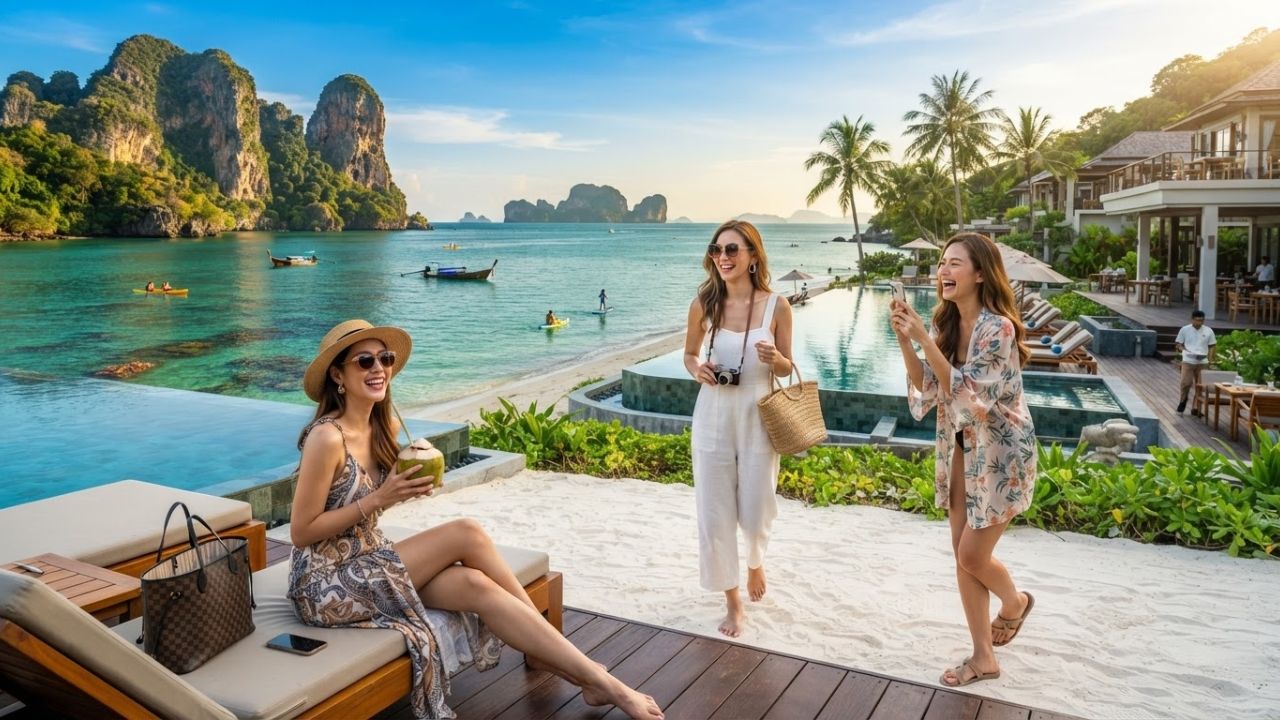
Image generated by AI
Krabi has recorded a significant domestic travel surge, with staycation accommodation bookings more than doubling compared to the previous year as travelers pivot toward short, regional coastal escapes.
A structural shift in domestic travel habits is driving regional growth in southern Thailand, with Krabi Thailand domestic staycation bookings recording a substantial increase. According to booking statistics from a major regional travel platform, Krabi registered the highest growth rate for domestic staycations nationwide, with accommodation reservations more than doubling year-on-year. Travelers are increasingly choosing two- to three-day coastal escapes over extended international trips.
Shift Toward Short-Interval Domestic Travel
The staycation boom reflects an evolving consumer preference for shorter, more frequent holidays. Rather than coordinating complex long-haul itineraries, travelers from Bangkok and neighboring provinces are booking weekend getaways to balance professional schedules with personal leisure.
To support this segment, Krabi's hospitality operators are adjusting their product offerings:
- Short-stay Packages: Resorts are introducing premium weekend packages featuring included airport transfers, dining credits, and wellness treatments.
- Flexible Check-in: Hotels are offering flexible arrival and departure times to help weekend guests maximize their stays.
- Adventure & Eco-tourism: Operators are packaging local longtail boat excursions, national park entries, and marine sanctuary visits directly into room bookings.
Public authorities and local communities are coordinating to maintain environmental standards at key tourist locations. Efforts to manage visitor volumes, protect limestone formations, and preserve marine ecosystems are central to the province's long-term tourism strategy.
Focus on Destination Safety and Standards
Safety remains a primary factor in tourist confidence. Local tourism boards have implemented upgraded security protocols, regular inspection of transport boats, and improved safety signage across beaches and diving spots.
These regulatory measures are intended to maintain Krabi's position as a premium destination. By ensuring a safe, well-regulated environment, the province aims to attract high-value travelers whose spending directly supports local businesses, food markets, and community-based operators.
The table below outlines the primary components driving Krabi's domestic tourism performance:
Krabi Staycation Performance and Tourism Indicators 2026
| Indicator / Segment | Year-on-Year Performance | Primary Target Audience | Core Destination Strategy |
|---|---|---|---|
| Staycation Bookings | More than doubled (>100% growth) | Domestic urban professionals | Short-interval premium packages |
| Preferred Stay Duration | 2 to 3 days (weekend window) | Short-break leisure travelers | Flexible check-in & transit transfers |
| Key Attractions | Railay Beach, Phi Phi Islands, Jais | Adventure & wellness travelers | Sustainable environmental limits |
| Primary Transit Hub | Krabi International Airport (KBV) | Regional domestic arrivals | Direct flight scheduling with Bangkok |
Why This Matters
From a logistical perspective, this shift highlights the growth of experiential travel, where visitors seek a deeper connection to local heritage, art, and gastronomy rather than just beach holidays. For travelers planning their summer trips, this means that selecting a destination with diverse activities reduces the risk of weather-related disruptions. If rain or extreme heat makes outdoor sightseeing uncomfortable, visitors can easily pivot to indoor museums, wellness retreats, or culinary tours.
For the travel industry, this trend demonstrates that marketing a country requires highlighting its cultural and conservation assets alongside its natural scenery. Destinations that invest in preserving their historic architecture, supporting local artists, and promoting regional food systems are better positioned to attract high-value, long-stay travelers who contribute more to the local economy than day-trippers.
Industry Outlook
Market trends suggest that the demand for multi-dimensional travel will continue to grow as travelers seek to maximize their holiday budgets. As travel costs remain high, consumers are looking for destinations that offer a variety of experiences within a single geographic area. This pattern favors countries that can offer a blend of outdoor recreation, cultural education, and premium dining.
In response to these trends, local tourism boards are focusing on off-season campaigns to attract visitors during the autumn and winter months, when cultural attractions and historic tours remain fully operational. This strategy helps stabilize the local hospitality sector, ensuring year-round employment and reducing the environmental pressure associated with summer overcrowding.
Related: Ras Al Khaimah Records Highest-Ever Visitor Numbers in H1 2026
Related: Global Fishing Hotspots Drive Recreational Angling Tourism Boom
Related: Vietnam, Singapore, and Thailand Lead Southeast Asian Travel Boom in 2026
Disclaimer
This article is for informational and educational purposes only. It does not constitute legal, financial, or professional advice. While we strive to provide accurate and up-to-date information, travel policies, regulations, and conditions change rapidly. Always verify information with official sources before making travel decisions. Nomad Lawyer makes no representations about the accuracy, reliability, completeness, or suitability of the information provided. Readers should consult qualified professionals for advice specific to their circumstances. The views expressed in this article are those of the author and do not necessarily reflect the views of Nomad Lawyer.
Raushan Kumar
Founder & Lead Developer
Full-stack developer with 11+ years of experience and a passionate traveller. Raushan built Nomad Lawyer from the ground up with a vision to create the best travel and law experience on the web.
Learn more about our team →