
Kolkata Airport Takes a Major Connectivity Leap as Airlines Add More Flights Across India and Beyond
Kolkata Airport Takes a Major Connectivity Leap as Airlines Add More Flights Across India and Beyond

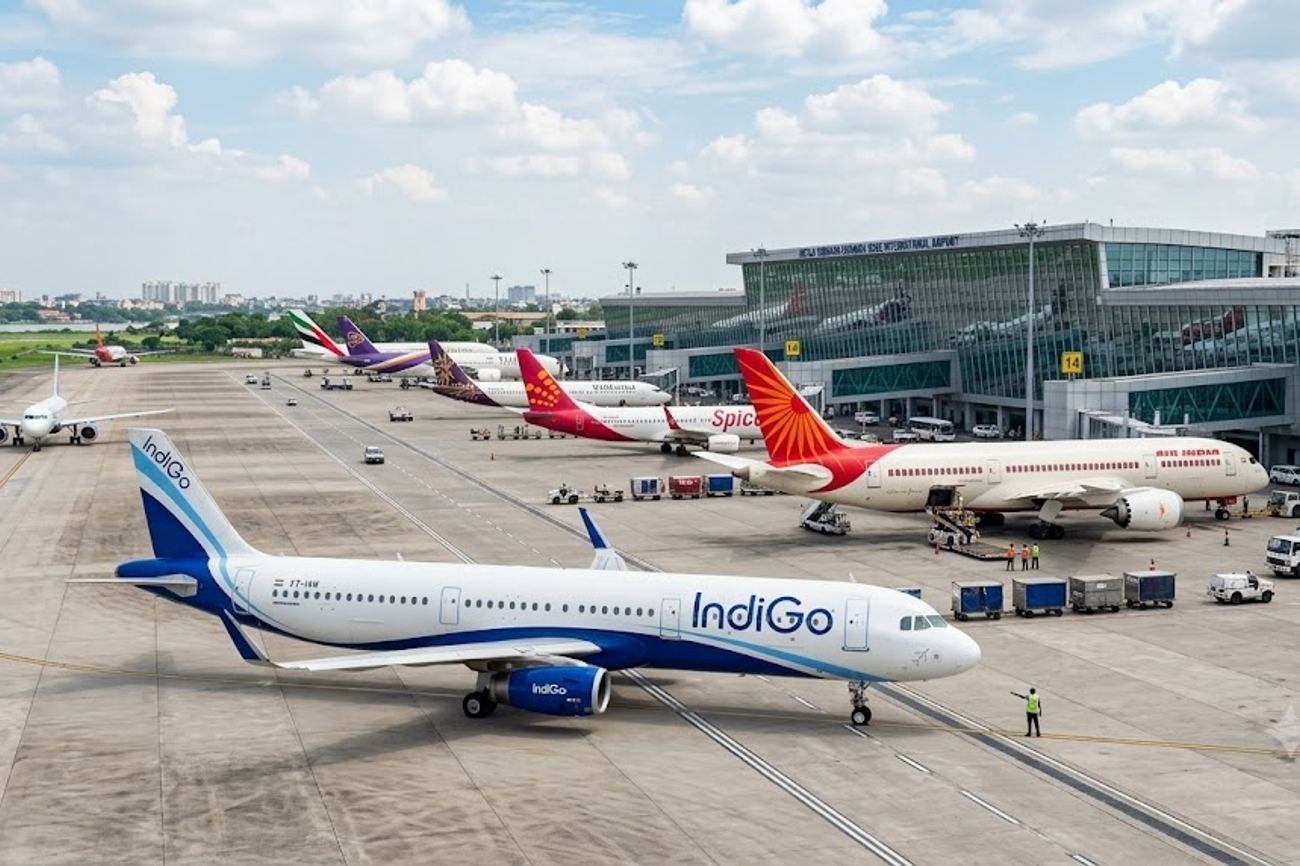
Image generated by AI
Kolkata’s international flight frequency is shifting from a reliance on limited hubs to a diversified network, with Emirates increasing its weekly capacity from 11 to 12 flights and Akasa Air scaling daily departures by approximately 63%. This surge in capacity signals a strategic pivot in Eastern India's aviation corridor, moving away from the stagnation of the previous winter cycles toward an aggressive growth phase designed to recapture lost international market share.
The Kolkata Connectivity Surge in Numbers
The winter schedule commencing October 25 reveals a calculated effort by both full-service and low-cost carriers to saturate the Kolkata market. The most aggressive growth is visible in the low-cost sector, specifically with Akasa Air, which is expanding its daily footprint from a baseline of 10–11 flights to 17 daily departures. This represents a significant increase in seat availability, particularly on the Kolkata–Mumbai corridor, where flights are doubling from two to four daily services.
On the international front, the data shows a targeted recovery of suspended routes. IndiGo is reinstating services to Shanghai and Siem Reap while introducing a new route to Singapore. This diversification is critical because it reduces the region's dependency on single-hub transit. Simultaneously, Emirates is optimizing its fleet deployment by introducing the Airbus A350 on selected morning flights to Dubai, replacing the Boeing 777. This shift in aircraft model indicates a move toward higher fuel efficiency and updated cabin products, including Premium Economy, to attract high-yield corporate travelers.
The domestic expansion is not limited to primary metros. The data shows a strategic push into Tier-2 and Tier-3 cities, with increased capacities to Ranchi, Hyderabad, and Surat. Air India is further reinforcing the eastern-western link by restoring three daily flights between Kolkata and Mumbai, ensuring that the city remains a viable feeder for the larger domestic network.
Regional Capacity and Network Comparison
When comparing the current winter expansion to previous operational benchmarks, the trend shows a clear shift toward "hub-and-spoke" optimization. While Kolkata still lacks direct European connectivity, the increase in frequencies to Dubai, Singapore, and Mumbai suggests that the airport is positioning itself as a primary collection point for passengers heading to global hubs.
The following table outlines the specific capacity shifts for key carriers starting October 25:
| Carrier | Route/Metric | Previous Frequency | Winter Schedule Frequency | Growth % / Change |
|---|---|---|---|---|
| Emirates | Kolkata $\rightarrow$ Dubai | 11 flights/week | 12 flights/week | +9.1% |
| Akasa Air | Daily Departures | 10–11 flights/day | 17 flights/day | $\approx$ 63% |
| Akasa Air | Kolkata $\rightarrow$ Mumbai | 2 flights/day | 4 flights/day | +100% |
| Akasa Air | Kolkata $\rightarrow$ Bengaluru | 1 flight/day | 3 flights/day | +200% |
| Akasa Air | Kolkata $\rightarrow$ Ahmedabad | 1 flight/day | 2 flights/day | +100% |
| Air India | Kolkata $\rightarrow$ Mumbai | Baseline | +3 daily flights | Restoration |
| IndiGo | Int'l Routes | Suspended | Shanghai, Siem Reap, Singapore | Reinstated/New |
This growth pattern aligns with broader trends reported by the International Air Transport Association (IATA), which highlight a surge in demand for regional connectivity within Asia-Pacific markets. The aggressive expansion of Akasa Air, in particular, mirrors a wider industry trend where new entrants are challenging established monopolies on high-traffic domestic trunks to drive down pricing through increased supply.
Practical Traveler Advisory and Strategic Insights
For the individual traveler, this data suggests a period of increased price competition and improved scheduling flexibility. The doubling of flights on the Mumbai and Bengaluru routes means that the "peak hour" pricing typically seen in the mornings and evenings may stabilize as seat inventory increases.
If you are planning travel from Eastern India in Q4, consider the following actionable strategies:
- Leverage the New Hubs: With the addition of Singapore and the increased Dubai frequency, travelers heading to Southeast Asia or Europe should compare the costs of connecting via Singapore (IndiGo) versus Dubai (Emirates). The introduction of the A350 on Emirates' morning flights offers a superior product for those willing to pay for Premium Economy.
- Domestic Timing: The shift of the Kolkata–Port Blair service from alternate days to daily operations removes the need for "buffer days" in itinerary planning. Travelers can now book tighter connections to the Andaman Islands.
Netaji Subhas Chandra Bose International Airport is expanding its network to enhance regional and international accessibility for business and leisure travelers. Passengers can track real-time flight schedules and terminal updates via the Airports Authority of India to streamline their transit experience. 3. Alternative Airports: The increase in services to Noida and Navi Mumbai provides a strategic alternative to the congested main airports of Delhi and Mumbai. Travelers should check if these secondary hubs offer shorter transit times to their final destinations. 4. Booking Windows: Given the increase in capacity, the extreme "last-minute" price spikes seen in previous winters may be less severe on the Mumbai and Bengaluru routes. However, for the reinstated Shanghai and Siem Reap routes, booking 6–8 weeks in advance is recommended as these routes often see rapid load factor increases upon resumption.
Forward Projection: The Path to Direct Long-Haul
The current trajectory suggests that Kolkata is in a "capacity building" phase. By increasing domestic feeder traffic (as seen with Akasa and Air India) and strengthening short-haul international links (IndiGo), the airport is creating the necessary passenger volume to justify the return of direct European flights.
Industry data from OAG often shows that long-haul carriers only return to regional airports once a consistent "catchment area" of passengers is proven. The current expansion of domestic routes to cities like Surat and Varanasi is essentially widening that catchment area. If the load factors for the new winter schedule remain high through Q1 of next year, it is highly probable that the airport authority will have the leverage to negotiate the return of direct flights to London or Frankfurt.
The shift toward the Airbus A350 by Emirates is also a signal of "up-gauging." When airlines replace older Boeing 777s with newer, more efficient aircraft on specific routes, they are often testing the viability of higher-frequency, lower-cost operations to maintain market dominance against emerging low-cost competitors.
FAQ: Kolkata Aviation Expansion 2024-25
Will flight prices decrease due to more flights? Increased capacity generally leads to lower fares. With Akasa Air nearly doubling its daily departures and Air India restoring Mumbai services, price competition on these specific domestic trunks is expected to increase, potentially lowering average ticket costs.
Is this a good time to book international flights from Kolkata? Yes. The addition of Singapore and the return of Shanghai and Siem Reap provide more options. Booking now for the winter window allows you to take advantage of the initial seat inventory released for these reinstated routes.
Which airlines are expanding the most in Kolkata? Akasa Air is showing the most aggressive domestic growth, increasing daily flights from 10–11 to 17. Internationally, IndiGo is the primary driver of network diversification by reopening suspended Asian routes.
Are there any direct flights to Europe from Kolkata? Currently, there are no direct flights to Europe. Travelers must connect through hubs like Dubai (via Emirates) or other international gateways. The airport is actively working to attract European carriers for future schedules.
The data confirms that Kolkata is no longer just a regional stop, but is aggressively positioning itself as the primary aviation engine for Eastern India.
Related Travel Guides
Disclaimer
This article is for informational and educational purposes only. It does not constitute legal, financial, or professional advice. While we strive to provide accurate and up-to-date information, travel policies, regulations, and conditions change rapidly. Always verify information with official sources before making travel decisions. Nomad Lawyer makes no representations about the accuracy, reliability, completeness, or suitability of the information provided. Readers should consult qualified professionals for advice specific to their circumstances. The views expressed in this article are those of the author and do not necessarily reflect the views of Nomad Lawyer.
Naina Thakur
Contributor & Travel Specialist
Travel enthusiast and legal writer covering visa regulations, responsible tourism, and cultural journeys across global destinations.
Learn more about our team →