
KLM Group Navigates Turbulent Q1 2026: ‘Back on Track’ Program Delivers €159 Million in Savings Amid Geopolitical Instability and Rising Fuel Costs; Major Aviation Updates for Transavia and Cargo
KLM Group has reported its Q1 2026 financial results, revealing a turnover of €3.0 billion and a significant operational improvement of €84 million. Despite navigating a difficult winter and mounting geopolitical tensions, the airline’s ‘Back on Track’ program has provided a vital €159 million buffer. As fuel prices surge and global instability persists, KLM is doubling down on cost control and strategic efficiency to maintain its recovery trajectory.

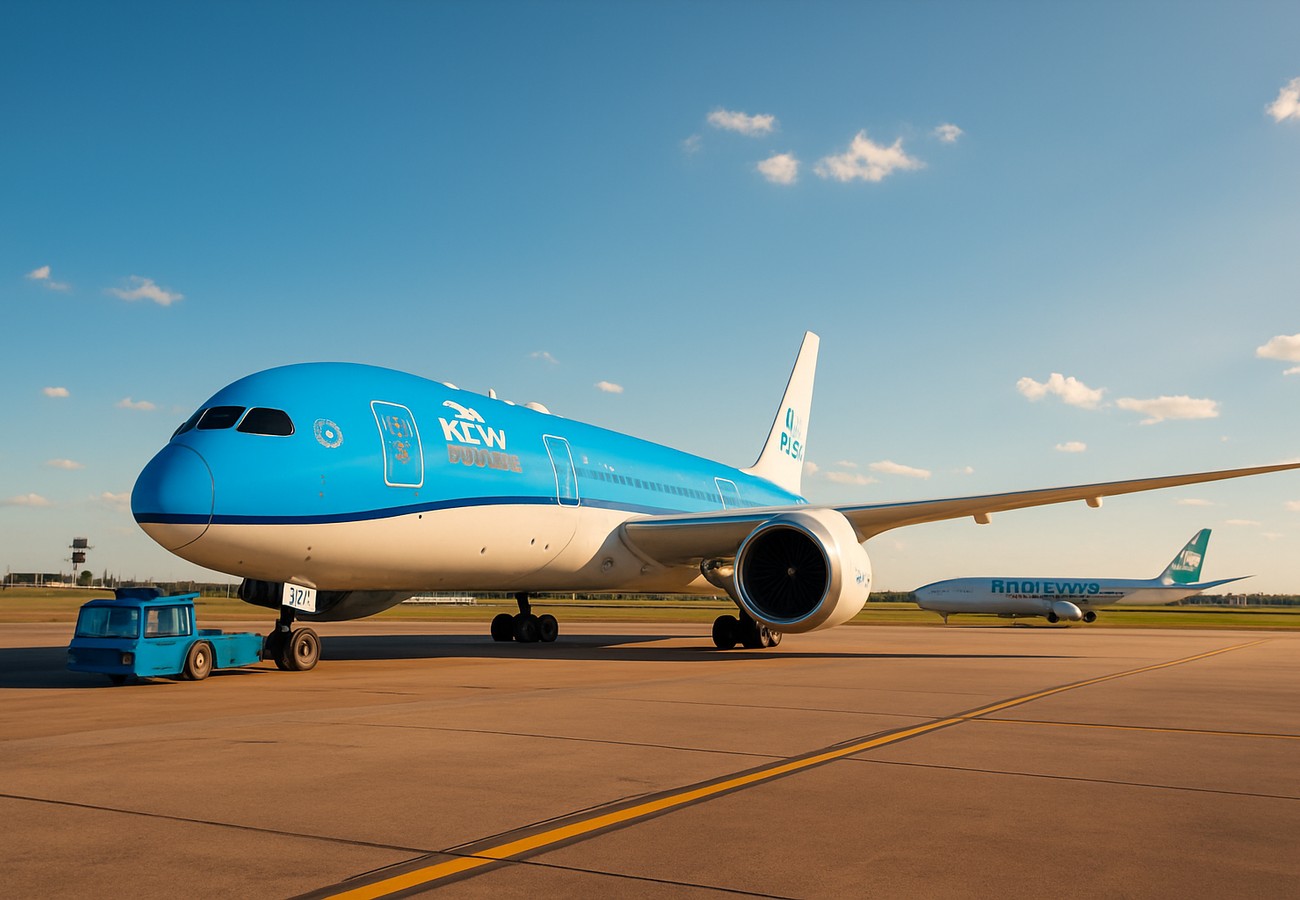
Strategic Resilience: KLM Group reports Q1 2026 results amid global market volatility.
KLM Group Navigates "Stormy Recovery": €159 Million in ‘Back on Track’ Savings Mitigate Q1 Losses; Major Aviation News as Geopolitical Instability and Fuel Prices Surge
In a period defined by extraordinary operational hurdles and mounting global friction, KLM Group has released its financial results for the first quarter of 2026. This airline news update, confirmed on May 11, 2026, reveals a steady turnover of €3.0 billion, mirroring its previous year’s performance while showing a significant operational improvement of €84 million. Despite a net operational loss of -€114 million, the group’s strategic “Back on Track” program has emerged as a massive success, delivering €159 million in savings and additional revenue. The report serves as a stark reminder of the delicate balance the aviation industry must strike as geopolitical instability and the rising price of fuel threaten the stability of the summer travel season.
The results highlight KLM’s resilience following a difficult start to the year, which included extreme winter weather in January and rising airport charges. As the airline braces for a high-pressure second quarter, the focus remains squarely on structural cost control and the transformation of its subsidiary units, including Transavia and the group’s Cargo and Engineering & Maintenance divisions.
Expanded Overview: The "Back on Track" Buffer
The Q1 performance of KLM Group is a testament to the "Strategic Resilience" demanded by the modern aviation landscape. This aviation update highlights that while the airline faced a -€114 million loss, the underlying metrics point to a recovery in motion. The Back on Track improvement program has been the primary engine of this stabilization, surpassing expectations by limiting the impact of wage hikes and collective labor agreements.
"KLM is navigating a 'Stormy Recovery'," stated a senior aviation journalist specializing in European markets. "To see an €84 million improvement in the face of January’s snow and the ongoing Middle East conflict is a remarkable feat of management. However, the 'Back on Track' program isn't just a cost-cutting exercise; it’s a survival buffer. With fuel prices surging and geopolitical tensions at a boiling point, the €159 million in savings reported today is the only thing standing between a manageable loss and a deep financial sinkhole."
Section-Wise Breakdown: Navigating the Market Turbulence
KLM Mainline: Overcoming the Winter Churn
CEO Marjan Rintel expressed cautious optimism, noting that while extreme winter weather in January slowed the hub’s momentum, the airline’s capacity growth and operational stability remained intact. The focus now shifts to managing the rising cost of airport charges at Schiphol while maintaining the efficiency of the "Blue" network.
Transavia: Resilience in the Low-Cost Sector
Transavia, the group’s low-cost arm, managed to keep its turnover steady despite facing the dual pressures of the Middle East conflict and heavy snow disruptions. The airline has successfully implemented internal cost reductions to mitigate revenue pressure, proving the versatility of the group’s multi-brand strategy.
Cargo and Maintenance: The Foundations of Growth
The Cargo division, which saw initial volume pressure due to winter weather, reported a significant improvement in March. Meanwhile, the Engineering & Maintenance division delivered positive results, providing a strong foundation for the group’s upcoming fleet expansion and servicing investments.
Strategic Transformation: The Catering Overhaul
In a move to further streamline operations, KLM confirmed the acquisition of KLM Catering Services by Gategroup. This strategic shift is designed to reduce overhead and modernize the airline’s in-flight service model, a move that aligns with the broader cost-control goals of the Back on Track initiative.
KLM Group: Q1 2026 Financial Performance Matrix
The following table summarizes the key financial metrics from the first quarter of the 2026 fiscal year.
KLM Group: Q1 2026 Performance Profile
| Metric | Q1 2026 Result | Year-on-Year Change | Status |
|---|---|---|---|
| Total Turnover | €3.0 Billion | Steady (0%) | Stable |
| Operational Result | -€114 Million | +€84M Improvement | Recovering |
| ‘Back on Track’ Savings | €159 Million | Above Expectations | Critical Buffer |
| Transavia Turnover | Steady | Managed | Resilient |
| E&M Performance | Positive | In-Line | Strong |
| Future Pressure | Fuel / Geopolitics | Rising | Caution Required |
Source: KLM Group Official Q1 2026 Financial Report. Data as of May 11, 2026.
Industry Analysis: The Fragility of the Global Recovery
Aviation analysts suggest that KLM’s focus on cash flow management is a necessary tactical shift in a volatile market. CFO Bas Brouns has emphasized that while the airline cannot pass the entirety of surging fuel costs onto passengers, the adaptation of the network is essential. The "Geopolitical Risk Premium" currently baked into jet fuel prices means that airlines must find efficiency within their internal structures. KLM’s new employee participation program and the Gategroup catering acquisition are examples of "Structural Resilience"—building an organization that can weather shocks without compromising long-term growth.
Conclusion: A Strategic Path to Long-Term Stability
As KLM Group moves into the second quarter of 2026, the road ahead is marked by both potential and peril. The success of the Back on Track program has provided the group with the breathing room necessary to navigate a period of high fuel prices and regional instability. By focusing on innovation, customer satisfaction, and collaborative employee participation, KLM is positioning itself not just to survive the current market turbulence, but to emerge as a leaner, more adaptable leader in global aviation. The Dutch flag carrier remains on a strategic path to resilience, proving that even in the face of a stormy Q1, the "Blue Spirit" of Schiphol is far from grounded.
Key Takeaways
- KLM Group reports €3.0 billion turnover for Q1 2026.
- Operational result improves by €84 million, reaching a loss of -€114 million.
- ‘Back on Track’ program delivers €159 million in savings and revenue.
- Geopolitical instability and rising fuel prices pose significant risks for Q2.
- Transavia and Cargo divisions remain resilient despite winter and conflict disruptions.
- Strategic acquisition of KLM Catering Services by Gategroup aims to reduce costs.
- Focus remains on cash flow management and structural transformation.
/article-footer-standard
Related Travel Guides:
- Schiphol Navigator: A Guide to Amsterdam’s Hub in the New Era of Efficiency
- Sustainable Blue: How KLM is Investing in Future Fleet and Biofuels
- Passenger Rights: Navigating Flight Disruptions and Delays in the EU
Disclaimer: All financial and operational data regarding the KLM Group Q1 2026 results is sourced from the official corporate treasury and investor relations report as of May 11, 2026. Forward-looking statements regarding fuel prices and geopolitical impacts are subject to global market fluctuations.
Kunal K Choudhary
Co-Founder & Contributor
A passionate traveller and tech enthusiast. Kunal contributes to the vision and growth of Nomad Lawyer, bringing fresh perspectives and driving the community forward.
Learn more about our team →