
Global Aviation Titans Emirates, KLM, and Lufthansa Pivot to 'Supply Chain Survival' as Engine Part Costs Surge 200%: Major Industry Alert from CAPA Berlin Summit on Supply Chain Vulnerabilities and Travel Resilience
At the CAPA Airline Leader Summit in Berlin, executives from Emirates, KLM, Lufthansa, and Delta declared a paradigm shift in aviation strategy. Facing a 200% hike in critical engine part costs and a 250% surge in secondhand component prices, the world's leading airlines are abandoning low-cost outsourcing in favor of vertically integrated, in-house maintenance and AI-driven predictive technology to combat global supply chain fragility.

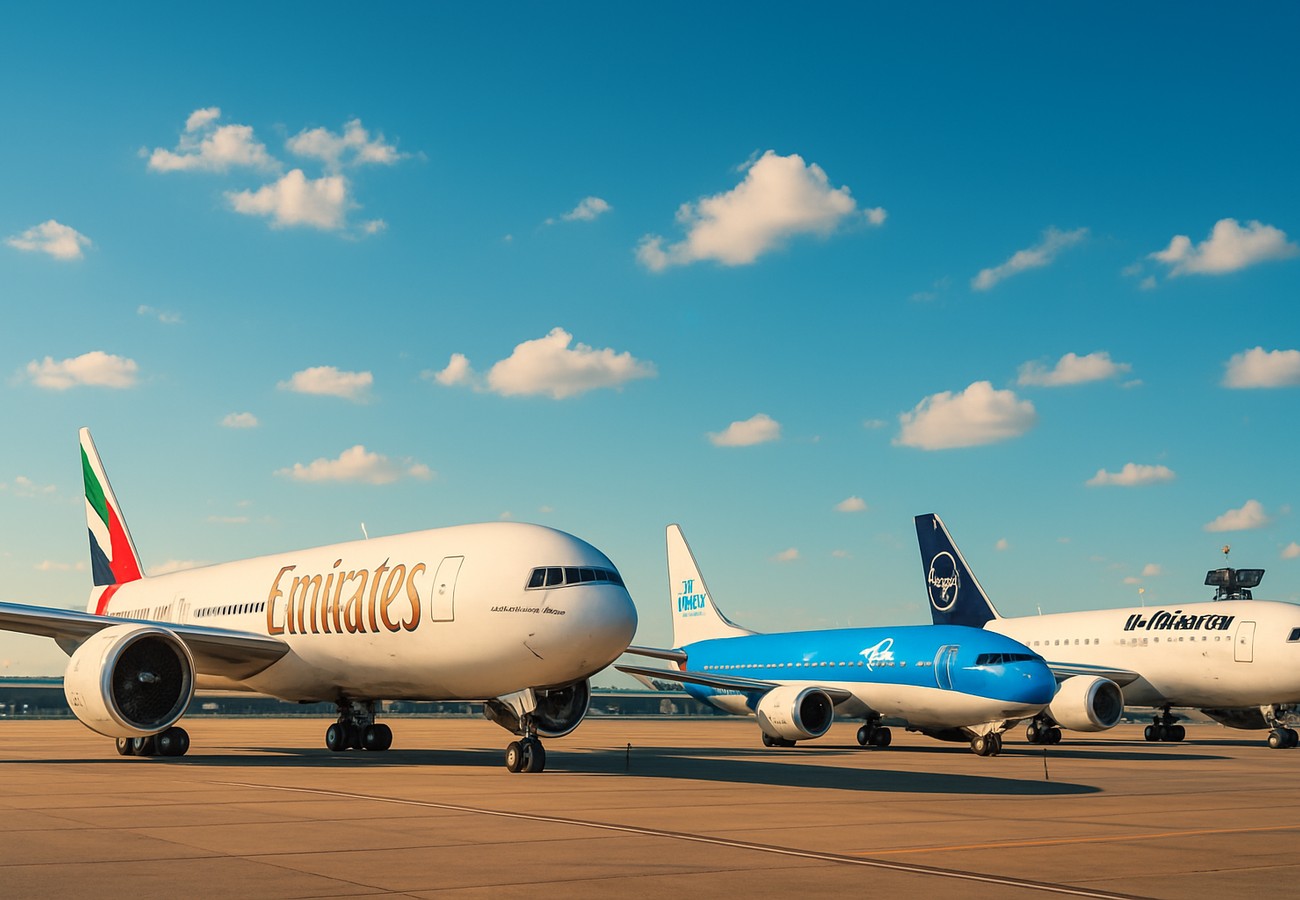
Fighting Fragility: Airlines pivot to in-house maintenance to combat a 200% surge in spare part costs.
Aviation Giants Emirates, KLM, and Delta Target "Supply Chain Fragility": 200% Surge in Engine Part Costs Forces Radical Shift to In-House Maintenance; Major Industry News and Operational Alerts
In a landmark consensus reached at the CAPA Airline Leader Summit in Berlin on May 11, 2026, the world’s most powerful aviation executives issued a sobering warning: the future of flight is no longer dictated by passenger demand, but by the integrity of the global supply chain. Leaders from Emirates, Lufthansa, KLM, Delta, Air France, and American Airlines have confirmed a revolutionary shift in their operational models. This airline news update reveals that the industry is pivoting from a demand-driven focus to a "Supply Chain-Centric" strategy to combat a staggering 200% increase in the cost of critical engine components and a chronic shortage of skilled labor.
The era of squeezing suppliers for the lowest possible price is officially over. As the "Atmospheric Barrier" of inflation and geopolitical instability tightens, airlines are bringing maintenance back in-house, investing in long-term supplier partnerships, and leveraging AI-powered predictive systems to ensure their fleets remain airborne in an increasingly unpredictable global landscape.
Expanded Overview: The End of the "Outsourced Era"
The discussions in Berlin highlighted a fundamental "Strategic Realignment." For decades, the aviation sector prioritized outsourcing maintenance to the lowest-cost provider, often in distant regional hubs. However, this aviation update confirms that this model has collapsed under the weight of supply chain vulnerabilities. With aircraft grounded for months due to a lack of spare parts, airlines like TUI and Lufthansa are reversing course, seeking "Vertical Integration" to gain control over their own destiny.
"We have reached a point where a $100,000 part is now a $300,000 liability," stated a senior journalist covering the CAPA summit. "The industry's biggest hurdle isn't finding passengers; it's finding engines. When life-limited engine parts (LLPs) skyrocket by 200% in five years, the traditional business model breaks. The titans of the sky are now forced to become 'Customers of Choice' for their suppliers, shifting from aggressive auctions to cooperative, long-term alliances to ensure they aren't left with an 'Aircraft-on-Ground' (AOG) crisis."
Section-Wise Breakdown: The Pillars of Aviation Resilience
The Berlin Summit: A Unified Industry Alert
The CAPA Summit served as a "Battle Room" for global carriers. Executives from Emirates and KLM emphasized that while travel demand has recovered, the "Back-End" of the industry—maintenance, repair, and overhaul (MRO)—is in a state of semi-permanent crisis. Geopolitical instability and rising energy costs have transformed once-reliable logistics routes into high-risk bottlenecks.
The Vertical Integration Pivot: Bringing Maintenance Home
In a radical departure from 20-year trends, carriers are reclaiming their maintenance operations. TUI, for instance, has begun transitioning its European maintenance services back in-house. By owning the hangar and the labor force, airlines can bypass the 250% markups on secondhand parts and the "Broker Squeeze" that has seen secondhand propeller hubs triple in price.
AI and Predictive Technology: Iberia’s Digital Shield
Technology is being deployed as a defensive weapon against supply chain delays. Iberia and other IAG carriers are integrating AI-powered predictive maintenance systems. These algorithms analyze real-time engine data to forecast failures weeks before they occur. This allows airlines to order parts in advance, mitigating the impact of the 200% price surge and ensuring that parts are available before a jet is grounded.
Global Aviation: Supply Chain Inflation Index (2021-2026)
The following table illustrates the dramatic cost escalations facing global carriers as they navigate the current supply chain crisis.
Supply Chain Fragility: Maintenance & Component Cost Surge
| Component / Category | Cost Increase (5-Year Trend) | Strategic Impact |
|---|---|---|
| Life-Limited Engine Parts (LLPs) | +200% | Fleet Grounding Risk |
| Secondhand Propeller Hubs | +250% | Rising Operational Costs |
| Aviation Turbine Fuel (ATF) | Volatile / Rising | Ticket Price Pressure |
| Skilled Maintenance Labor | +45% (Shortage) | Longer Turn-around Times |
| Tech/AI Investment | Record High | Shift to Predictive MRO |
| Procurement Strategy | Relationship-Based | End of Reverse Auctions |
Source: CAPA Summit Berlin Data and IATA Operational Audit. Data as of May 11, 2026.
Passenger Impact: Fewer Flights and Higher Fares
For the global traveler, the "Supply Chain Survival" era translates into tangible friction:
- Reduced Capacity: If an airline cannot source an engine part, the plane doesn't fly. This leads to fewer flight options on popular routes, even when demand is high.
- Fare Inflation: The 200% hike in maintenance costs must be absorbed somewhere. Passengers are likely to see steady increases in "Base Fares" and fuel surcharges as airlines fight to maintain profitability.
- AOG Cancellations: The risk of sudden, last-minute cancellations due to "Technical Issues" increases when spare parts are sitting in shipping containers halfway across the world.
Industry Analysis: The "Customer of Choice" Mandate
Aviation analysts suggest that the industry is undergoing a "Cultural Revolution." For years, airlines held all the leverage over suppliers. Today, that leverage has shifted to the brokers and manufacturers who control the limited stock of engines and parts. To survive, airlines are moving away from "Transaction-Based" buying to "Partnership-Based" sourcing. By becoming the "Customer of Choice," airlines like Delta and Emirates ensure they are at the front of the line when a critical turbine blade or landing gear component becomes available.
Conclusion: Engineering an Unstoppable Future
As Emirates, KLM, and Lufthansa navigate the "Great Supply Chain Stranglehold" of 2026, the aviation industry is being redefined. The lessons of the Berlin Summit are clear: resilience is the new currency of success. By embracing vertical integration, investing in AI, and fostering deep-rooted supplier alliances, the giants of the sky are building a more secure and unstoppable future. It is a future where the ability to maintain a fleet is just as important as the ability to fill it with passengers.
Key Takeaways
- Emirates, KLM, and Lufthansa pivot to supply chain-centric survival models.
- Maintenance costs skyrocket, with engine parts (LLPs) up 200% in 5 years.
- Secondhand component prices see a massive surge of over 250%.
- Vertical integration increases as airlines bring maintenance back in-house (TUI).
- AI-powered predictive maintenance (Iberia) used to combat AOG events.
- End of "Reverse Auctions" as airlines strive to be "Customers of Choice."
- Strategic shift confirmed at the CAPA Airline Leader Summit in Berlin.
/article-footer-standard
Related Travel Guides:
Disclaimer
This article is for informational and educational purposes only. It does not constitute legal, financial, or professional advice. While we strive to provide accurate and up-to-date information, travel policies, regulations, and conditions change rapidly. Always verify information with official sources before making travel decisions. Nomad Lawyer makes no representations about the accuracy, reliability, completeness, or suitability of the information provided. Readers should consult qualified professionals for advice specific to their circumstances. The views expressed in this article are those of the author and do not necessarily reflect the views of Nomad Lawyer.
Kunal K Choudhary
Co-Founder & Contributor
A passionate traveller and tech enthusiast. Kunal contributes to the vision and growth of Nomad Lawyer, bringing fresh perspectives and driving the community forward.
Learn more about our team →