
Kilchoan Estate by Dunton Opens in Scottish Highlands: Dunton's First European Luxury Retreat on Knoydart Peninsula 2026
Dunton's debut European property opens on Scotland's remote Knoydart Peninsula, combining heritage restoration with immersive wellness and place-based dining for high-value tourism.

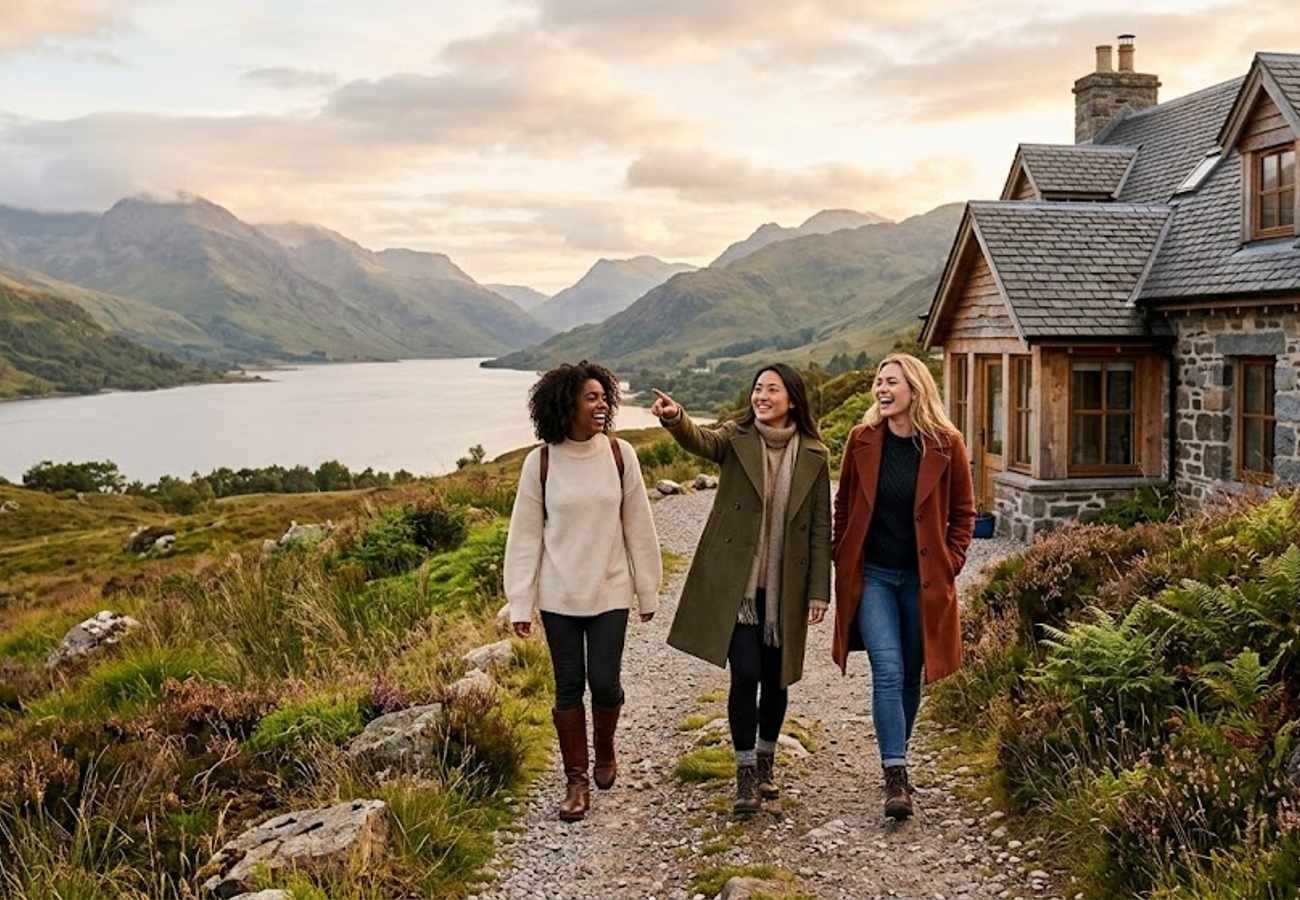
Image generated by AI
Kilchoan Estate by Dunton has officially opened on Scotland's Knoydart Peninsula, marking the hospitality group's first European venture and a watershed moment for ultra-remote luxury tourism in the Scottish Highlands. Positioned between Loch Nevis and Loch Hourn on a thirteen-thousand-acre estate, the property remains accessible only by boat or on foot—a deliberate isolation that transforms remoteness into exclusivity rather than obstacle.
This is not a conventional hotel arrival. The estate's architecture and positioning deliberately challenge the transactional logic of standard luxury hospitality. Guests do not simply book a room; they commit to immersion in a landscape shaped by centuries of Highland history, conservation stewardship, and place-based design.
Stone, Timber, and Intentional Restoration
Five restored stone and timber cottages form the current accommodation inventory, with two additional cottages launching in early 2027. Each ranges from two to five bedrooms—a scale designed for small groups rather than individual travelers, encouraging longer stays and deeper engagement with the landscape.
London-based design studio Waldo Works led the interior curation, employing local slate, Highland pine, and textiles sourced exclusively from British and Irish makers. The material palette—sourced from within a 200-mile radius—creates acoustic and visual authenticity impossible to replicate through generic luxury furnishings. Owner-selected artwork personalizes each cottage, reinforcing the impression of curated family retreats rather than hotel suites.
This design approach directly mirrors principles outlined by UNESCO's guidance on heritage tourism, where material authenticity and local provenance strengthen destination identity and justify premium positioning.
Culinary Strategy Built on Provenance
The Long House functions as communal dining hub rather than service-optional restaurant, where Chef Jamie Smart executes an ingredient-led menu centered on Scottish seafood, wild game, foraged plants, and seasonal regional produce. This approach—shared tables over course-driven meals—transforms dining from transaction to experience-building mechanism.
Local sourcing partnerships with Knoydart Foundation and regional suppliers reduce supply-chain distance and create transparent food narratives that justify transparency in pricing. When guests understand that halibut arrived within 24 hours from Mallaig or that venison came from managed Highland herds visible during morning hikes, the meal transcends nutrition.
Wellness Architecture Without Architectural Excess
The on-site spa facility includes a sauna and dedicated yoga studio, positioned as integrated wellness rather than premium upgrade. By embedding these amenities within the broader experience—rather than isolating them as spa treatments—Kilchoan Estate avoids the wellness theater that characterizes many contemporary luxury properties.
The absence of 10,000-square-foot spa complexes or boutique treatment menus actually strengthens positioning. Guests seeking recovery find it through landscape immersion, movement practice, and communal meals rather than exhaustion through unlimited treatment selection.
Outdoor Activity as Primary Narrative
Hiking, wild swimming, kayaking, mountain biking, fishing, and boat-based exploration form the estate's activity framework. Stargazing and wildlife observation extend engagement beyond daylight hours, leveraging the peninsula's dark-sky advantage and predator-rehabitation programs now underway across the Highlands.
This activity structure differs fundamentally from resort-based recreation. Rather than offering activities as entertainment periphery, the estate positions outdoor engagement as the core journey. The property becomes basecamp rather than destination—a distinction crucial for travelers whose motivations run toward exploration rather than amenity accumulation.
Sustainability Through Fossil-Fuel Independence
The estate operates on a fossil fuel-free energy model, employing efficient heating and cooling systems designed to preserve the integrity of historic structures without requiring interventionist mechanical solutions. Water conservation infrastructure and waste protocols reflect partnership agreements with the Knoydart Foundation, a conservation organization focused on land stewardship across the peninsula.
This sustainability positioning carries credibility because it emerged from operational necessity rather than marketing calculation. Remote properties cannot rely on grid infrastructure or waste logistics—conservation becomes functional requirement, not virtue signaling. That authenticity resonates with informed luxury travelers increasingly scrutinizing environmental claims, according to research from Sustainable Brands and similar tracking organizations.
Market Position Within Scottish Luxury Hospitality
Kilchoan Estate occupies an underserved segment within Scottish luxury accommodation. Properties like Gleneagles and Turnberry prioritize golf and country-club infrastructure; urban boutiques in Edinburgh and Glasgow emphasize design and dining; established country-house hotels offer traditional service models.
Kilchoan Estate instead merges heritage authenticity with contemporary wellness consciousness and remote-access exclusivity. For digital nomads seeking seasonal retreats or established professionals prioritizing restorative travel over event-driven hospitality, the property presents an alternative premium positioning unavailable elsewhere in the Scottish market.
Community Integration and Long-Term Destination Health
Partnerships with local organizations suggest commitment to tourism development that strengthens rather than extracts from host communities. By embedding Knoydart Foundation collaboration directly into operational frameworks, the estate creates structural incentives for sustainable visitation and conservation support.
That distinction matters because remote tourism development historically risks rapid exploitation followed by decline. Properties that anchor themselves to local institutional partnerships—rather than isolated ownership models—build resilience into destination development.
Kilchoan Estate by Dunton demonstrates that heritage tourism need not sacrifice contemporary comfort or demand compromise on sustainability; instead, the best remote properties use isolation and historical narrative as structural advantages unavailable to urban or accessible luxury alternatives.
Related Travel Guides
Disclaimer
This article is for informational and educational purposes only. It does not constitute legal, financial, or professional advice. While we strive to provide accurate and up-to-date information, travel policies, regulations, and conditions change rapidly. Always verify information with official sources before making travel decisions. Nomad Lawyer makes no representations about the accuracy, reliability, completeness, or suitability of the information provided. Readers should consult qualified professionals for advice specific to their circumstances. The views expressed in this article are those of the author and do not necessarily reflect the views of Nomad Lawyer.
Preeti Gunjan
Contributor & Community Manager
A passionate traveller and community builder. Preeti helps grow the Nomad Lawyer community, fostering engagement and bringing the reader experience to life.
Learn more about our team →