
Kenya's Standard Gauge Railway Hits 50 Million Metric Tonnes Freight Milestone Amid Mounting Chinese Debt Repayment Pressures in 2026
Kenya's SGR moves 50 million metric tonnes of freight since 2017, reshaping East African trade corridors while $5 billion in Chinese loans weighs on public finances.

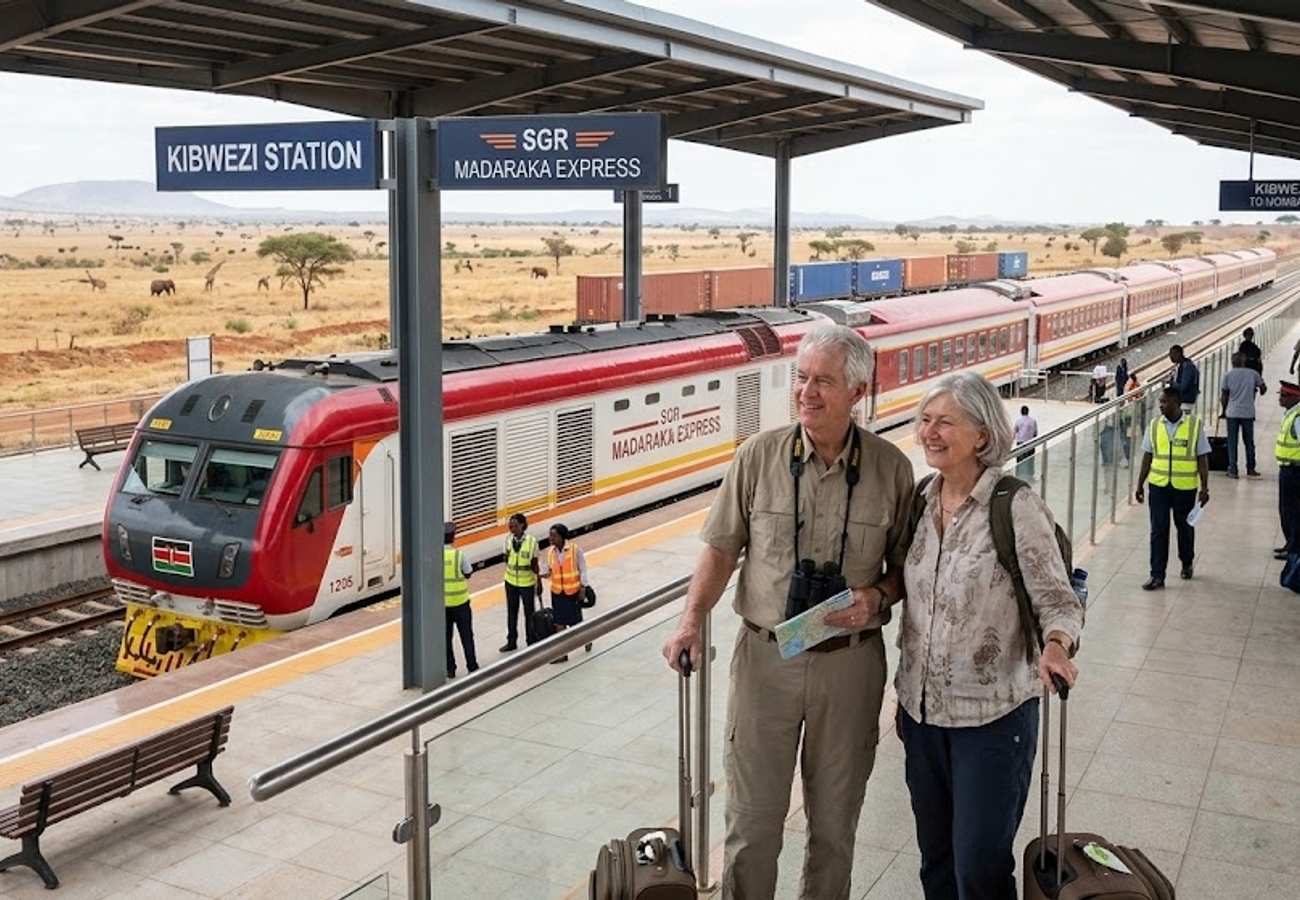
Image generated by AI
[Nairobi, August 1, 2026] — Kenya's Standard Gauge Railway has moved 50 million metric tonnes of freight since launching operations in 2017, a milestone that cements the 472-kilometer Mombasa-to-Nairobi corridor as the backbone of East African cargo logistics. The achievement arrives against a sobering backdrop: over five billion dollars in Chinese financing has created long-term repayment obligations that continue to strain Kenya's public finances even as the railway transforms regional trade and tourism flows.
Mombasa-to-Nairobi Corridor Transforms Regional Logistics
The Standard Gauge Railway has fundamentally altered how goods and people move between Kenya's principal port city and its capital. Since commencing freight operations in 2017, the line has steadily absorbed cargo volumes that previously relied on road transport, offering shippers a faster and more reliable alternative to trucking along a corridor long plagued by congestion and delays.
The 472-kilometer route connects Mombasa's deep-water port — the busiest cargo gateway in East Africa — directly to Nairobi's inland container depots, allowing goods to flow onward to Uganda, Rwanda, South Sudan, and eastern Democratic Republic of Congo. Industry reports indicate that growing cargo traffic on the railway reflects broader shifts in how regional businesses are choosing to move imports and exports, with rail increasingly preferred for bulk consignments.
The milestone of 50 million metric tonnes over nine years signals that freight operators are integrating the SGR into their regular supply chains rather than treating it as a supplementary option. This sustained uptake underscores the strategic role of Mombasa Port and its rail connections in serving landlocked neighbors that depend on the Indian Ocean corridor for trade.
Madaraka Express Drives Tourism Growth Beyond Traditional Circuits
Beyond freight, the railway's passenger service — branded the Madaraka Express — has become a fixture for both domestic commuters and international visitors. The service offers scheduled departures between Mombasa and Nairobi, cutting travel time to roughly four and a half hours compared with unpredictable road journeys that can stretch much longer depending on traffic conditions.
Tourism operators report that improved rail connectivity has opened access to destinations situated between the two cities, including wildlife conservancies and cultural sites that previously received relatively low visitor numbers because of difficult road access. The Madaraka Express runs through Tsavo East and Tsavo West national parks, giving passengers scenic views that have become a draw in their own right.
Reliable intercity rail service strengthens Kenya's competitive position as a tourism destination. Travelers can plan itineraries with greater certainty, and corridor towns along the route are capturing tourism spending that once bypassed them entirely. Local economies along the railway line — from Voi to Mtito Andei — have reported increased activity from travelers stopping for meals, lodging, and excursions.
Freight Performance Highlights
The nine-year operational record reveals steady growth in cargo throughput, with the railway moving everything from containerized imports to bulk agricultural goods and construction materials. The 50 million metric tonnes figure represents cumulative freight moved since the service launched.
| Metric | Figure |
|---|---|
| Freight moved since 2017 | 50 million metric tonnes |
| Route distance | 472 kilometers |
| Cities connected | Mombasa and Nairobi |
| Passenger service name | Madaraka Express |
| Chinese financing | Over $5 billion |
| Fare adjustment period | First half of 2024 |
| Years of freight operations | 9 (since 2017) |
Chinese Loan Repayments Pressure Kenya's Budget
The operational success of the SGR is shadowed by the financial structure that built it. Kenya borrowed more than five billion dollars from Chinese lenders to finance construction, and the resulting repayment schedule has become one of the most scrutinized line items in the national budget.
Government reports have repeatedly flagged the railway's debt servicing as a material burden on public finances. While some restructuring of the loan terms has provided partial relief, the fundamental obligation remains: Kenya must service this debt over a long horizon, competing with education, healthcare, and other state services for budgetary allocation.
The SGR has become a case study in the tension between ambitious infrastructure investment and fiscal sustainability. Officials and analysts are watching whether freight and passenger revenues can eventually cover operating costs and contribute meaningfully to debt servicing — or whether the railway will require ongoing subsidies that crowd out other public spending priorities.
Fare Increases Lift Revenue but Reduce Ridership
Passenger travel patterns shifted noticeably after ticket prices rose during the first half of 2024. Both economy-class and first-class fares increased, producing a paradoxical outcome: passenger revenues climbed even as total ridership declined.
This dynamic illustrates the classic tradeoff between pricing power and volume. Higher fares generated more money per ticket, but fewer Kenyans could afford to travel by rail. For many households, the decision to take the train or seek alternative transport comes down to cost, and the fare increases pushed the railway beyond what some budget-conscious travelers were willing or able to pay.
The revenue increase is a positive signal for the railway's financial sustainability, but the ridership decline raises questions about long-term demand. If passenger volumes continue to contract, the revenue gains from higher fares may plateau or reverse. Maintaining a balance between financial viability and accessibility will shape whether the Madaraka Express retains its public appeal.
East African Neighbors Watch Kenya's Infrastructure Experiment
Governments across East Africa are studying the SGR as a template — and a cautionary tale. The railway demonstrates how large-scale transport infrastructure can accelerate trade integration, improve logistics efficiency, and unlock tourism potential across borders. Tanzania, Uganda, and Rwanda have each pursued or considered similar rail corridor projects, and Kenya's experience offers practical lessons in both engineering and financing.
The financing model — heavy reliance on external sovereign loans — has prompted reassessment. African finance ministries are increasingly weighing whether the economic returns of mega-projects can justify the debt burden, or whether alternative structures involving private capital, concessional lending, or phased construction might reduce fiscal risk.
For the broader region, the SGR's trajectory will inform infrastructure decisions for years. Modern rail networks are widely seen as essential for regional integration under frameworks like the East African Community and the African Continental Free Trade Area. Kenya's successes and missteps will serve as reference points for policymakers weighing similar investments.
Why This Matters for Travelers and Businesses
For the traveler, the SGR means a journey between Mombasa and Nairobi that is predictable, comfortable, and scenic — a marked improvement over road travel that can be hazardous and time-consuming. Tourists planning safaris in Tsavo or coastal holidays in Mombasa now have a rail option that doubles as part of the experience rather than merely a transit mode.
From a logistical standpoint, the freight milestone creates tangible benefits for businesses trading through Mombasa. Importers and exporters gain a reliable corridor with scheduled departures, reducing the uncertainty that plagues road-based supply chains. For landlocked neighbors, the railway shortens the time goods spend in transit, lowering inventory costs and improving competitiveness.
The debt dimension, however, affects Kenyan citizens directly. Loan servicing obligations influence national budget priorities, and the fare increases that boosted railway revenue also made travel less affordable for ordinary passengers. The tension between building world-class infrastructure and maintaining fiscal health is not abstract — it shows up in ticket prices, public spending, and the everyday choices of households.
Future Outlook for Kenya's Railway Network
Freight volumes are projected to keep rising as regional trade expands and Mombasa Port handles growing cargo throughput. The railway's role in Kenya's transport strategy is likely to deepen, with potential extensions and operational improvements under discussion.
Debt management will remain the decisive factor. If the railway can grow revenue sufficiently to cover operating costs and contribute to loan repayments, the SGR will stand as a successful — if expensive — investment. If not, it will remain a fiscal drag on a government already managing multiple competing priorities.
For travelers, businesses, and regional partners, the Standard Gauge Railway has already delivered measurable improvements in mobility and trade efficiency. Whether it achieves long-term financial sustainability will determine whether other African nations follow Kenya's model — or chart a different course.
Kenya's rail milestone proves that infrastructure can move nations forward — but the bill always comes due.
Related Travel Guides
Disclaimer
This article is for informational and educational purposes only. It does not constitute legal, financial, or professional advice. While we strive to provide accurate and up-to-date information, travel policies, regulations, and conditions change rapidly. Always verify information with official sources before making travel decisions. Nomad Lawyer makes no representations about the accuracy, reliability, completeness, or suitability of the information provided. Readers should consult qualified professionals for advice specific to their circumstances. The views expressed in this article are those of the author and do not necessarily reflect the views of Nomad Lawyer.
Preeti Gunjan
Contributor & Community Manager
A passionate traveller and community builder. Preeti helps grow the Nomad Lawyer community, fostering engagement and bringing the reader experience to life.
Learn more about our team →