
Kelowna and 7 Canadian Cities Deploy 125 Electric Buses by 2027: How Zero-Emission Transit is Reshaping Urban Travel
125 heavy-duty electric buses are rolling into 8 Canadian cities including Kelowna, Toronto, and Victoria by 2027, marking a $424M investment in zero-emission public transit and sustainable tourism infrastructure.

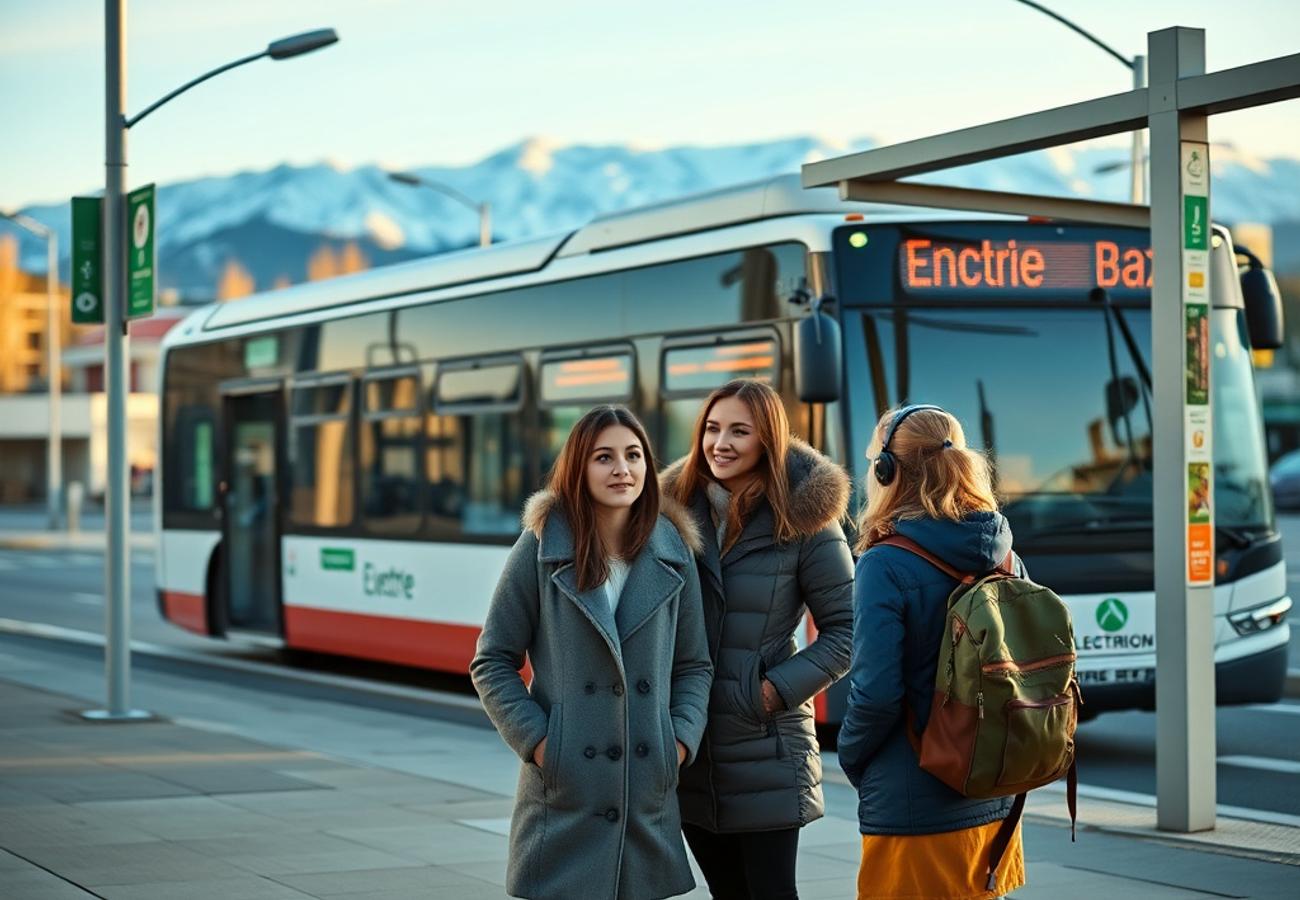
Image generated by AI
Canada's Biggest Transit Electrification: 125 Buses, 8 Cities, One Massive Climate Play
Kelowna, Toronto, Victoria, Kamloops, Whistler, Nelson, Powell River, and Sunshine Coast are about to experience a transportation revolution. Beginning in spring 2026, 125 heavy-duty battery-operated electric buses will gradually deploy across these Canadian cities through 2027—one of the country's most ambitious zero-emission transit initiatives.
This isn't just about cleaner buses. It's a $424 million federal-provincial partnership that signals how governments are reshaping urban mobility for both tourists and daily commuters.
The Scale: 22 Buses Arriving in Kelowna First
Kelowna Regional Transit System is leading the charge with 22 electric buses arriving in phases starting this spring. The remaining 103 buses will be distributed across seven other British Columbia communities and Ontario cities including Toronto, Ottawa, York Region, and Oakville.
Reddit: "Finally, quieter buses in the city. The diesel rumble at 6 AM will be gone." — r/transit
Each electric bus eliminates approximately one tanker truck worth of diesel fuel annually—equivalent to roughly 550 fuel fill-ups for a standard mid-sized car. For a city like Kelowna, that's 22 tanker trucks eliminated every year.
Infrastructure: 32 Charging Stations at Hardy Street
The buses are only half the story. Kelowna's Hardy Street facility is installing 32 dedicated charging stations to keep the fleet energized and operational. Beyond charging infrastructure, transit authorities have expanded parking capacity and upgraded maintenance facilities designed to support future fleet growth.
This foundational work matters because it creates a template other Canadian cities can replicate. Electric Autonomy Canada reports that charging infrastructure is often the bottleneck in transit electrification—not vehicle availability.
Which Cities Win the Electric Bus Lottery?
| City | Province | Electric Buses | Timeline | Key Tourism Impact |
|---|---|---|---|---|
| Kelowna | British Columbia | 22 | 2026-2027 | Cleaner access to Okanagan Lake wineries |
| Victoria | British Columbia | 62 | By 2027 | Sustainable Inner Harbour & cruise tourism |
| Toronto | Ontario | 400 (expanding) | 2026 | One of North America's largest e-bus networks |
| Ottawa | Ontario | 124 | Ongoing | Parliament Hill & museum access via clean transit |
| Kamloops | British Columbia | Included in 125 | 2027 | Outdoor tourism area connectivity |
| Whistler | British Columbia | Included in 125 | 2027 | Ski season sustainable transport |
| Nanaimo | British Columbia | Included in 125 | 2027 | Ferry passenger support |
| Vancouver | British Columbia | 102 additional | Toward 178 by 2030 | International tourism expansion |
Why Now? The Climate Math Is Unavoidable
Transportation accounts for a massive slice of Canadian greenhouse gas emissions. Replacing diesel buses with battery-operated alternatives directly attacks that problem. But there's a tourism angle too: nomadic professionals and international travelers increasingly choose destinations based on environmental credentials.
Toronto is already expanding toward 400 electric buses by 2026, while Halifax deployed 60 electric buses focused on cruise tourism corridors. These aren't vanity projects—they're economic infrastructure disguised as environmental action.
The Money Trail: $424 Million From Three Levels of Government
The funding split involves:
- Government of Canada (primary funder)
- Province of British Columbia
- Local government partners
Dollars flowed through the Zero Emissions Transit Fund and the Public Transit Infrastructure Stream under the Investing in Canada Infrastructure Program. Previous announcements in 2019 and 2023 laid groundwork for this 2026 deployment.
What Passengers Actually Experience
Here's what changes the moment these buses hit the road:
Noise levels collapse. No more diesel engine roar at dawn.
Air quality improves. Zero tailpipe emissions means healthier urban corridors—especially crucial for residents near busy transit routes.
Ride smoothness increases. Electric motors deliver consistent, quiet acceleration without gear shifting.
Energy efficiency skyrockets. These vehicles use substantially less energy per kilometer than conventional diesel models, translating to lower operating costs for transit authorities.
For tourists in Kelowna, the shift means exploring downtown attractions, waterfront areas, and Okanagan wine country without the sensory assault of diesel engines. Same for Victoria's Inner Harbour and Whistler's mountain tourism zones during peak seasons.
The Ripple Effect: How This Reshapes Canadian Urban Travel
This electrification programme signals a broader strategic shift. Cities aren't just modernizing transit—they're integrating sustainability into their core identity. That matters for:
- Digital nomads seeking environmentally conscious destinations
- Conscious travelers choosing cities based on climate action
- International tourists expecting world-class, clean transportation
- Commuters demanding reliable, quiet, efficient daily transit
BC Transit's broader strategy demonstrates how coordinated federal-provincial-municipal partnerships can scale climate solutions faster than fragmented approaches.
The 2027 Finish Line
By December 2027, all 125 buses will be operational across eight communities. This represents a critical proof point for electric transit viability in Canadian climates—particularly in regions with cold winters where battery performance has historically been questioned.
If Kelowna, Victoria, and Toronto succeed, expect this model to expand dramatically across Canada's mid-sized cities over the next three years.
The quiet revolution in Canadian transit isn't coming—it's already rolling down Hardy Street.
Related Travel Guides
Disclaimer
This article is for informational and educational purposes only. It does not constitute legal, financial, or professional advice. While we strive to provide accurate and up-to-date information, travel policies, regulations, and conditions change rapidly. Always verify information with official sources before making travel decisions. Nomad Lawyer makes no representations about the accuracy, reliability, completeness, or suitability of the information provided. Readers should consult qualified professionals for advice specific to their circumstances. The views expressed in this article are those of the author and do not necessarily reflect the views of Nomad Lawyer.
Raushan Kumar
Founder & Lead Developer
Full-stack developer with 11+ years of experience and a passionate traveller. Raushan built Nomad Lawyer from the ground up with a vision to create the best travel and law experience on the web.
Learn more about our team →