
Kelantan Dabong Rail Adventure: Malaysia's New 4D3N Sustainable Eco-Tourism Route 2026
A new 4-day, 3-night rail itinerary to Dabong, Kelantan, is repositioning Malaysia's interior as a hub for sustainable eco-tourism and slow travel.

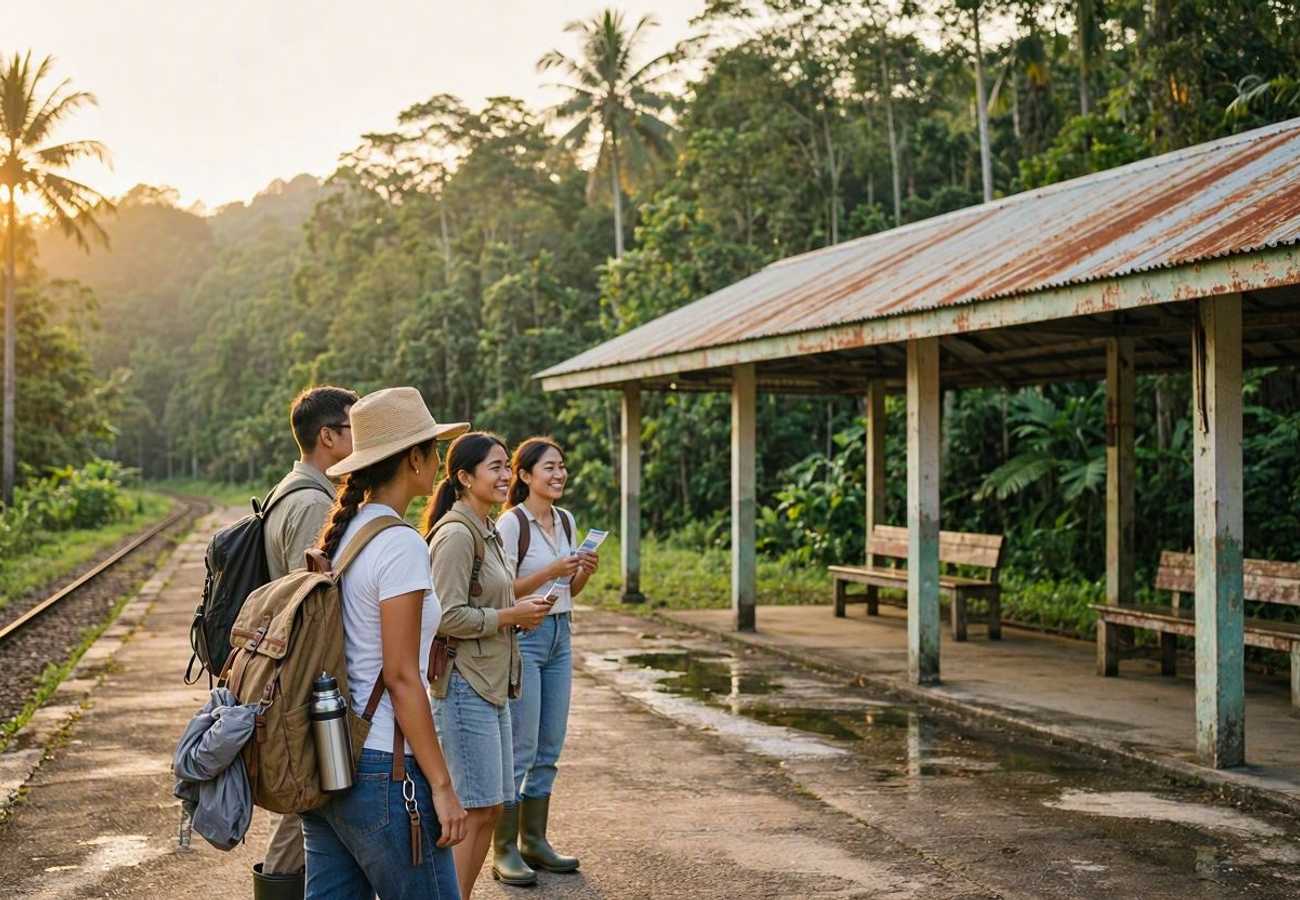
Image generated by AI
A 4-day, 3-night integrated rail itinerary is now positioning Dabong, Kelantan, as a primary destination for sustainable tourism in Malaysia. This shift toward "slow travel" replaces the traditional high-velocity tourist circuit with a model that integrates transit, ecology, and rural economics into a single consumer experience.
The Shift Toward Rural Rail Connectivity
The emergence of the Dabong rail experience reflects a broader strategic pivot by Malaysian tourism authorities to decentralize visitor traffic away from saturated urban gateways. By leveraging existing rail infrastructure, the state of Kelantan is transforming a functional transport link into a luxury of experience. The journey is designed to mitigate the environmental footprint of traditional road-based tourism while increasing the "dwell time" of visitors in rural economies.
Unlike standard sightseeing tours, the Dabong model treats the transit period as a core part of the product. The route traverses a shifting topography of agricultural zones, dense rainforests, and traditional villages, providing a visual transition that prepares the traveler for the immersive nature of the destination.
Logistics and Destination Data
The core of the Dabong experience is the accessibility provided by Keretapi Tanah Melayu Berhad (KTMB), the national railway operator. The logistical framework is built around a specific 4D3N (four days, three nights) structure to ensure that the ecological sites are explored without the haste associated with day-trips.
Dabong Eco-Tourism Framework
| Component | Detail | Primary Objective |
|---|---|---|
| Primary Transit | KTMB Rail Network | Carbon reduction & scenic immersion |
| Core Duration | 4 Days / 3 Nights | Balanced exploration vs. relaxation |
| Key Landmark | Gunung Stong State Park | Biodiversity and rainforest hiking |
| Natural Asset | Jelawang Waterfall | High-impact nature photography |
| Geological Site | Limestone Caves | Speleology and geological study |
| Cultural Focus | Kelantanese Village Life | Local economic support & authenticity |
Expert Analysis: The Economics of Slow Travel
For travelers booking this route, the direct consequence of the "slow travel" shift is a move away from commoditized tour packages toward curated, experiential journeys. The pricing pressure this creates usually favors local operators over international agencies, as the itinerary requires deep integration with community-based guides and small-scale accommodation providers.
From a regulatory and logistical standpoint, the reliance on Tourism Malaysia to promote lesser-known regions suggests a government-led effort to distribute tourism revenue more equitably across the peninsula. When travelers opt for rail over private car rentals, they reduce the infrastructure strain on Kelantan's rural roads while simultaneously increasing the viability of KTMB's regional lines.
The success of the Dabong route depends on "last-mile" connectivity. While the train brings passengers to the town, the transition to the rainforests of Gunung Stong requires local coordination. This creates a symbiotic relationship where the railway acts as the funnel and the local community acts as the service provider, ensuring that the financial benefits of tourism remain within the province.
Key Takeaways
- Transit as Destination: The journey via KTMB is marketed as a primary attraction, not merely a means of arrival.
- Environmental Impact: The shift to rail significantly lowers the per-passenger carbon footprint compared to private vehicle transfers.
- Structured Exploration: The recommended 4D3N itinerary prevents "over-tourism" spikes by encouraging longer, more sustainable stays.
- Economic Dispersion: By promoting Kelantan's interior, Malaysia is diversifying its tourism portfolio beyond the capital and coastal hubs.
FAQ: Dabong Rail Travel 2026
How do I book tickets for the Dabong rail journey? Tickets should be purchased exclusively through the official KTMB online booking portal or mobile app to ensure seat availability, especially during peak Malaysian holiday seasons.
What gear is required for the Dabong eco-adventure? Travelers should bring professional hiking footwear, weather-resistant clothing for the rainforest, ample hydration supplies, and basic insect protection for visits to Gunung Stong and Jelawang Waterfall.
Is the 4D3N itinerary mandatory? While flexible, the 4D3N structure is highly recommended to allow sufficient time for the rail transit and the physical demands of exploring the state park and limestone caves.
What is the main attraction in Dabong? The primary draw is the combination of the scenic rail journey and the exploration of Gunung Stong State Park, home to the massive Jelawang Waterfall.
The transition from transit to treasure makes the Dabong line a blueprint for the future of Malaysian rural tourism.
Related Travel Guides
Disclaimer
This article is for informational and educational purposes only. It does not constitute legal, financial, or professional advice. While we strive to provide accurate and up-to-date information, travel policies, regulations, and conditions change rapidly. Always verify information with official sources before making travel decisions. Nomad Lawyer makes no representations about the accuracy, reliability, completeness, or suitability of the information provided. Readers should consult qualified professionals for advice specific to their circumstances. The views expressed in this article are those of the author and do not necessarily reflect the views of Nomad Lawyer.
Raushan Kumar
Founder & Lead Developer
Full-stack developer with 11+ years of experience and a passionate traveller. Raushan built Nomad Lawyer from the ground up with a vision to create the best travel and law experience on the web.
Learn more about our team →