
Kazakhstan Tourism Boom Draws Australian Travelers to Silk Road Trails in 2026
Australian travelers are increasingly swapping European capitals for the nomadic heritage and alpine peaks of Kazakhstan as visa-free entry and new flight hubs spark a Central Asian tourism surge.

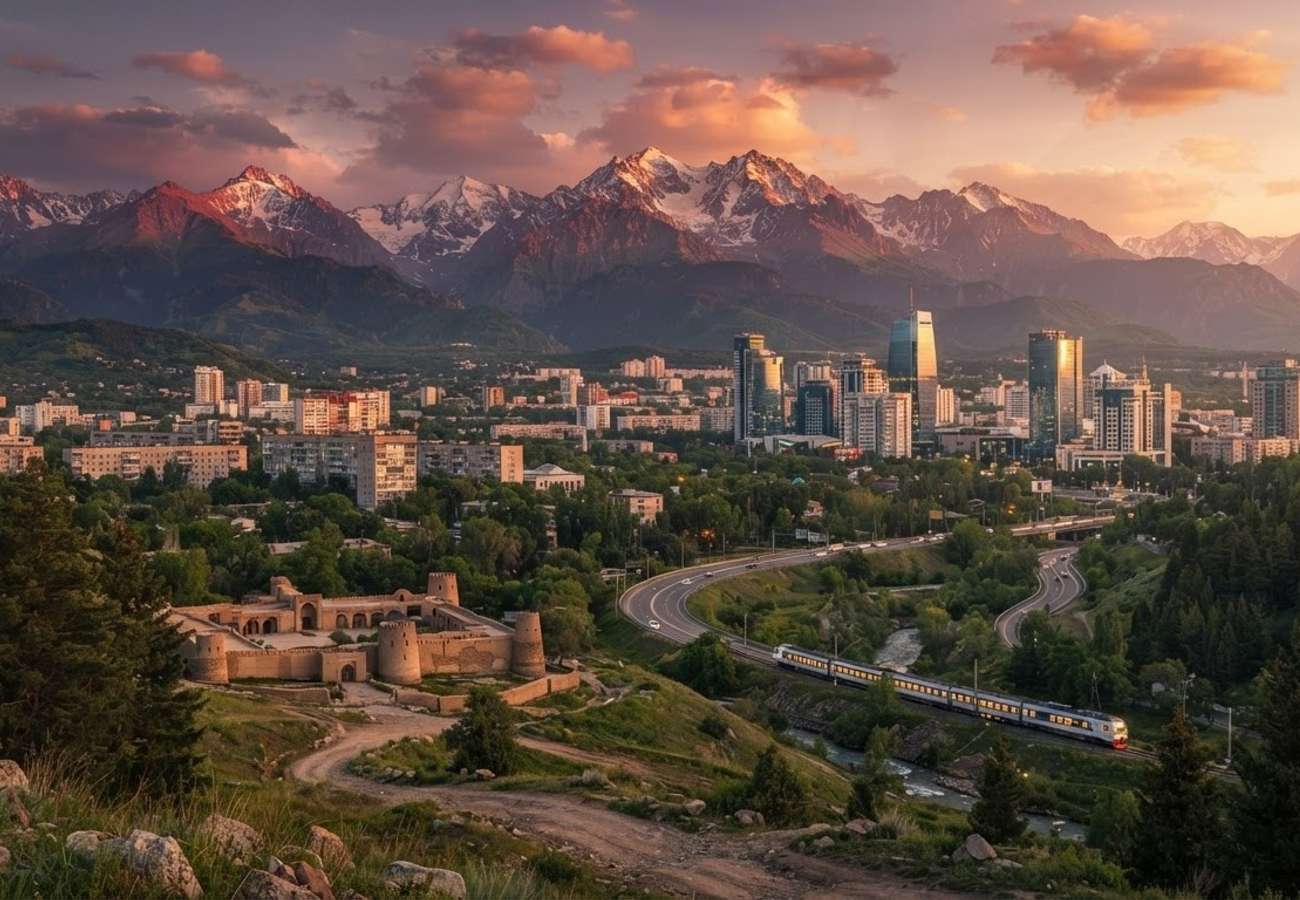
Image generated by AI
15 million inbound visitors arrived in Kazakhstan in 2024, signaling a massive shift in Central Asian travel patterns. For Australian adventurers, the appeal lies in a rare combination of visa-free access and a culturally rich alternative to the overcrowded circuits of Western Europe.
The traditional long-haul holiday is undergoing a transformation. While Europe has long been the default for Australian travelers, a growing segment is now pivoting toward the heart of Eurasia. Kazakhstan is positioning itself not just as a destination, but as the primary gateway to the Silk Road, blending high-tech urban centers like Astana and Almaty with the raw, nomadic spirit of the steppe.
This shift is not accidental. By 2025, government briefings indicated that tourism had become a strategic growth sector, with foreign arrivals nearly doubling compared to 2023. When combined with over 10 million domestic tourists, the scale of movement within the country suggests a robust infrastructure capable of supporting a new wave of international arrivals.
The Shift Toward Central Asian Exploration
The attraction for the Australian market is driven by a desire for "information gain"—experiences that cannot be replicated in the saturated markets of the Mediterranean or the Alps. The current trend sees travelers pairing Kazakhstan with Uzbekistan and Kyrgyzstan, creating a multi-country odyssey along the historic trade routes that once linked China to the Middle East.
For the visitor, the real impact is the ability to experience "frontier" travel without sacrificing modern comforts. Almaty, nestled against the foothills of the Tian Shan mountains, offers a sophisticated urban base with upscale hotels, while a short drive leads to the rust-colored cliffs of Charyn Canyon or the high alpine pastures of the region.
Accessibility and the Visa Advantage
The friction of travel to Central Asia has evaporated. Australian citizens now benefit from visa-free entry for short stays, a policy move by Kazakhstan’s foreign affairs and tourism authorities that has streamlined last-minute bookings and complex itineraries.
Connectivity has similarly evolved. Flight data shows that Almaty and Astana are now reachable from major Australian cities via single connections in hubs such as:
- Singapore
- Dubai
- Abu Dhabi
- Istanbul
Air Astana and various Gulf carriers have coordinated these connections to ensure total journey times are broadly comparable to flights heading toward Europe, removing the primary logistical barrier for long-haul travelers.
Cultural Value and Environmental Stewardship
Kazakhstan’s tourism strategy is increasingly rooted in the preservation of nomadic traditions and the promotion of eco-tourism. By highlighting the mausoleums of Turkistan and traditional yurt stays, the region is moving away from mass tourism toward high-value, immersive experiences.
The focus on nature-based tourism—specifically trekking in the Tian Shan mountains and visiting Altyn-Emel National Park—encourages a lower-impact footprint. Small-group tours are now the gold standard, blending visits to local markets with conservation-focused excursions into the steppe, ensuring that the economic benefits of the tourism boom reach rural communities directly.
Visitor Insider Tips
To navigate Kazakhstan like a local and avoid the pitfalls of the high season, consider these expert recommendations:
- The Golden Window: Visit during the shoulder seasons (late spring or early autumn). This avoids the peak summer crowds in Almaty and ensures more competitive rates for hotels and domestic flights.
- Language Nuance: While English is common in Almaty and Astana, it is rare in rural areas. Download an offline Russian or Kazakh translation app; it is essential for interacting with guides in Turkistan or Shymkent.
- Dining Specialty: Seek out Besbarmak (the national dish of boiled meat and noodles) at local family-run eateries rather than hotel restaurants for an authentic taste of nomadic culture.
- Transport Hack: Use the Yandex Go app for ride-sharing in cities; it is the most transparent way to handle pricing and avoid negotiations with street taxis.
Tourism Outlook
The long-term trajectory for Kazakhstan is one of professionalization. While challenges remain—specifically the need for more English-language signage at heritage sites and increased hotel capacity in Altyn-Emel—the momentum is undeniable. As Australians continue to seek "off-the-beaten-path" destinations that offer better value than Europe, Kazakhstan is poised to move from a niche curiosity to a staple of the adventure travel circuit.
The Silk Road is no longer just a history lesson; it is a living, breathing itinerary for the modern nomad.
Related Travel Guides
Disclaimer
This article is for informational and educational purposes only. It does not constitute legal, financial, or professional advice. While we strive to provide accurate and up-to-date information, travel policies, regulations, and conditions change rapidly. Always verify information with official sources before making travel decisions. Nomad Lawyer makes no representations about the accuracy, reliability, completeness, or suitability of the information provided. Readers should consult qualified professionals for advice specific to their circumstances. The views expressed in this article are those of the author and do not necessarily reflect the views of Nomad Lawyer.
Raushan Kumar
Founder & Lead Developer
Full-stack developer with 11+ years of experience and a passionate traveller. Raushan built Nomad Lawyer from the ground up with a vision to create the best travel and law experience on the web.
Learn more about our team →