
Kansai International Airport Introduces Gate-Controlled Terminal One Pickup Rules and Tolls to Ease Vehicle Congestion in Osaka
Kansai International Airport introduces a gate system at Terminal 1 passenger pickup lanes starting July 18, 2026, to reduce vehicle congestion.

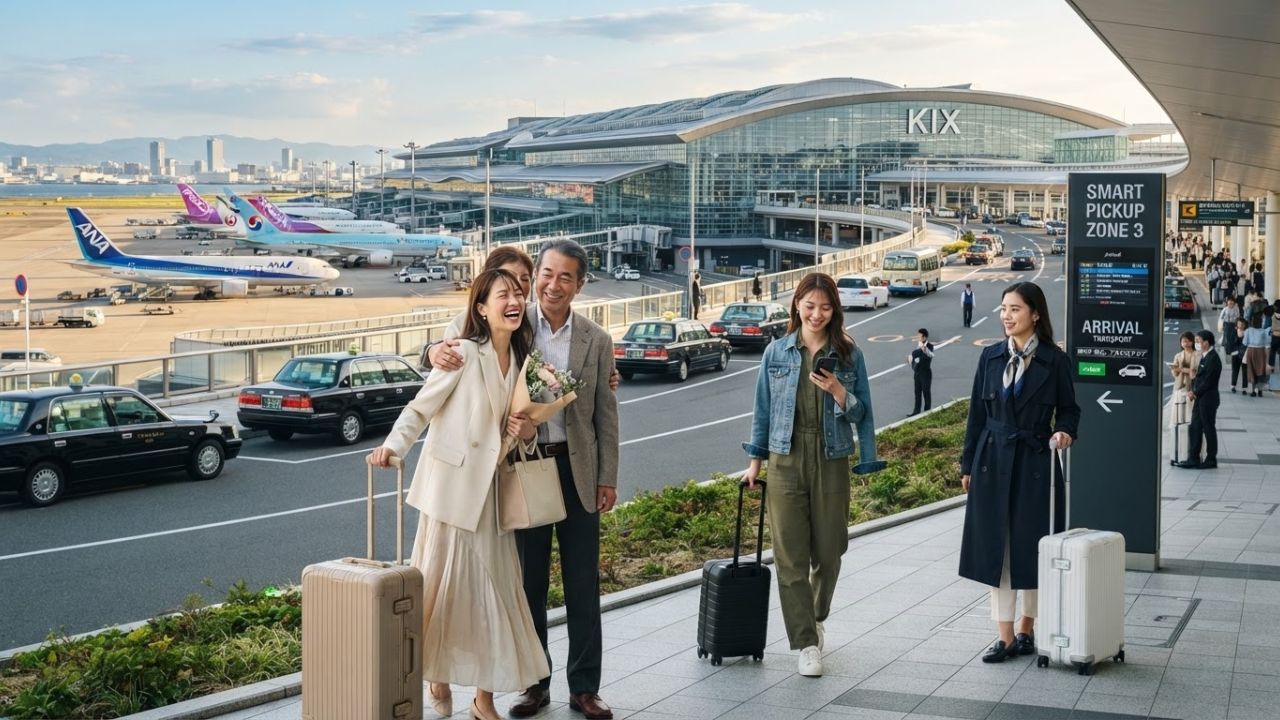
Image generated by AI
Kansai International Airport will implement a new gate-controlled vehicle access system and pricing structure at its Terminal 1 passenger pickup lanes starting July 18, 2026. The rules aim to reduce severe vehicle congestion near the arrival terminal during peak tourism periods.
Terminal One Passenger Pickup Lane Gate System
Starting July 18, 2026, Kansai International Airport will operate a gate-controlled vehicle access system and pricing structure at its Terminal 1 passenger pickup lanes. Official announcements and parking maps are detailed on the Kansai International Airport official site. The update introduces time tracking gates at the first-floor arrival pickup lane to reduce persistent vehicle idling.
Under the new system, vehicles entering the pickup lane receive a grace period of up to 10 minutes free of charge, which is permitted twice per day. Drivers staying between 10 and 15 minutes will be charged a flat rate of ¥900, with an additional ¥300 fee applied for every subsequent five-minute increment. No maximum daily cap is applied to these congestion tolls, encouraging quick departures.
Regional Traffic Growth and International Aviation Corridors
The new gate restrictions correspond with rising tourist numbers arriving from East and Southeast Asia. According to traffic statistics published by the Japan Tourism Agency (JTA), visitor numbers from regional markets have surged, driving higher ground transfer demand. South Korea and Hong Kong continue to serve as major source markets for visitors traveling to Osaka, Kyoto, and Nara.
Outbound travel from Vietnam and Malaysia has also increased, placing higher pressure on the airport's ground infrastructure. The pickup regulations aim to preserve lane space for arriving travelers and reduce curb congestion. This logistics adjustment supports the regional travel corridor as airline schedules expand across the Asia-Pacific region.
Ground Transport Access and Parking Guidelines
Our analysis indicates that travelers visiting Osaka should coordinate terminal collections in advance to avoid incurring substantial vehicle fees. Drivers intending to wait for delayed passengers are advised to use the airport's primary short-term parking lots instead of the first-floor pickup lanes. Sharing flight tracking links and utilizing terminal Wi-Fi helps coordinate exact arrival times.
Travelers using private hotel shuttles, rental car services, or regional taxi networks should confirm if their providers are adjusted to the new timing gates. The airport will deploy traffic coordinators to guide drivers and prevent curbside double-parking. Navigating these updates helps ensure a smoother transition from the arrivals gate to regional transit networks.
Airline Operations and Terminal Passenger Management
Increased airline connectivity has contributed to rising passenger volumes at Kansai International Airport. Major domestic network carriers like All Nippon Airways (ANA) and Japan Airlines (JAL) support regional passenger flows through connection flights. Additionally, international carriers maintain frequent regional schedules that connect directly with Osaka.
Key international carriers contributing to terminal passenger density include:
- Korean Air: High-frequency routes connecting major airports in South Korea with Osaka.
- Cathay Pacific: Critical flight links connecting Hong Kong transit hubs with Western Japan.
- Vietnam Airlines: Service expansions connecting Hanoi and Ho Chi Minh City with Kansai.
- Malaysia Airlines: Direct flights linking Kuala Lumpur with the Kansai metropolitan region.
Infrastructure Modernization and Regional Connectivity
The curbside gate system is part of a broader infrastructure expansion and modernization program at Kansai International Airport. The airport is upgrading terminal facilities and security checkpoints to accommodate the tourism influx before the upcoming Kansai Expo. These updates align with infrastructure guidelines managed by the Japan Ministry of Land, Infrastructure, Transport and Tourism (MLIT).
Improving airport ground traffic flows is necessary for maintaining a positive arrival experience for international visitors. Similar landside traffic management programs are being implemented at other major Asian aviation hubs to handle rising global travel demand. Smooth airport transfers directly support the regional tourism economy in Osaka, Kyoto, and surrounding prefectures.
1: Kansai Airport Terminal 1 Pickup Lane Congestion Fees
| Curbside Dwell Time | Passenger Pickup Fee | Daily Usage Limitations |
|---|---|---|
| 0 to 10 Minutes | Free of charge | Maximum of two entries permitted per day |
| 10 to 15 Minutes | ¥900 flat rate | Applies immediately upon exceeding 10 minutes |
| Exceeding 15 Minutes | ¥900 base fee + ¥300 per additional 5 minutes | Charged continuously with no daily maximum limit |
2: Airline Connectivity Supporting Kansai Airport Traffic
| Airline Carrier | Primary Operational Focus | Contribution to Kansai Traffic |
|---|---|---|
| All Nippon Airways (ANA) | Domestic and international routes | High-volume connection flights from Japanese cities |
| Japan Airlines (JAL) | Domestic flight connectivity | Upgrades onward regional travel across Japan |
| Korean Air | High-frequency flights | Connects South Korean tourist corridors with Osaka |
| Cathay Pacific | Transit hub flights | Feeds long-haul passenger traffic through Hong Kong |
| Vietnam Airlines | Southeast Asian regional flights | Supports growing outbound travel from Vietnam |
| Malaysia Airlines | Southeast Asian regional flights | Connects Malaysian holiday and business travel |
Key Takeaways
- New Access Controls: Kansai Airport will implement a gate-controlled pricing system at Terminal 1 passenger pickup lanes on July 18, 2026.
- Congestion Tolls: Vehicles get 10 minutes free up to twice a day, after which a ¥900 fee applies for up to 15 minutes, plus ¥300 for every additional 5 minutes.
- Traffic Recovery: The upgrade responds to rising tourist arrivals from key regional markets, including South Korea, Hong Kong, Vietnam, and Malaysia.
- Alternative Parking: Drivers waiting for arriving passengers are advised to use the airport's short-term parking lots to avoid high curbside fees.
FAQ
How does the new Kansai Airport Terminal 1 pickup gate system work?
Starting July 18, 2026, gates will track vehicle entry and exit times at the first-floor arrival pickup lane, charging drivers who exceed the free 10-minute limit.
What are the charges for vehicles staying longer than 10 minutes?
Dwell times between 10 and 15 minutes cost ¥900, with an additional ¥300 charged for every 5 minutes thereafter. There is no daily maximum limit.
Can vehicles enter the pickup lane multiple times for free?
Yes, vehicles are allowed up to two free entries of 10 minutes or less per day. Subsequent entries will trigger tolls.
Related Travel Guides
- South Korea and China Expand Bilateral Air Traffic Rights for the First Time in Seven Years Adding Seventy Weekly Flights
- Perth Airport Unveils Major Terminal One International Retail Upgrade Adding Fourteen Outlets Ahead of Peak Travel Season
- Jeju Air Cuts Flight Schedules Across South Korea Following Deadly Muan Airport Boeing 737-800 Crash and Regulatory Audits
Disclaimer
This article is for informational and educational purposes only. It does not constitute legal, financial, or professional advice. While we strive to provide accurate and up-to-date information, travel policies, regulations, and conditions change rapidly. Always verify information with official sources before making travel decisions. Nomad Lawyer makes no representations about the accuracy, reliability, completeness, or suitability of the information provided. Readers should consult qualified professionals for advice specific to their circumstances. The views expressed in this article are those of the author and do not necessarily reflect the views of Nomad Lawyer.
Kunal K Choudhary
Co-Founder & Contributor
A passionate traveller and tech enthusiast. Kunal contributes to the vision and growth of Nomad Lawyer, bringing fresh perspectives and driving the community forward.
Learn more about our team →