
South Korea and China Expand Bilateral Air Traffic Rights for the First Time in Seven Years Adding Seventy Weekly Flights
South Korea and China agree to expand weekly flights to 664 passenger and 68 cargo services, boosting regional tourism.

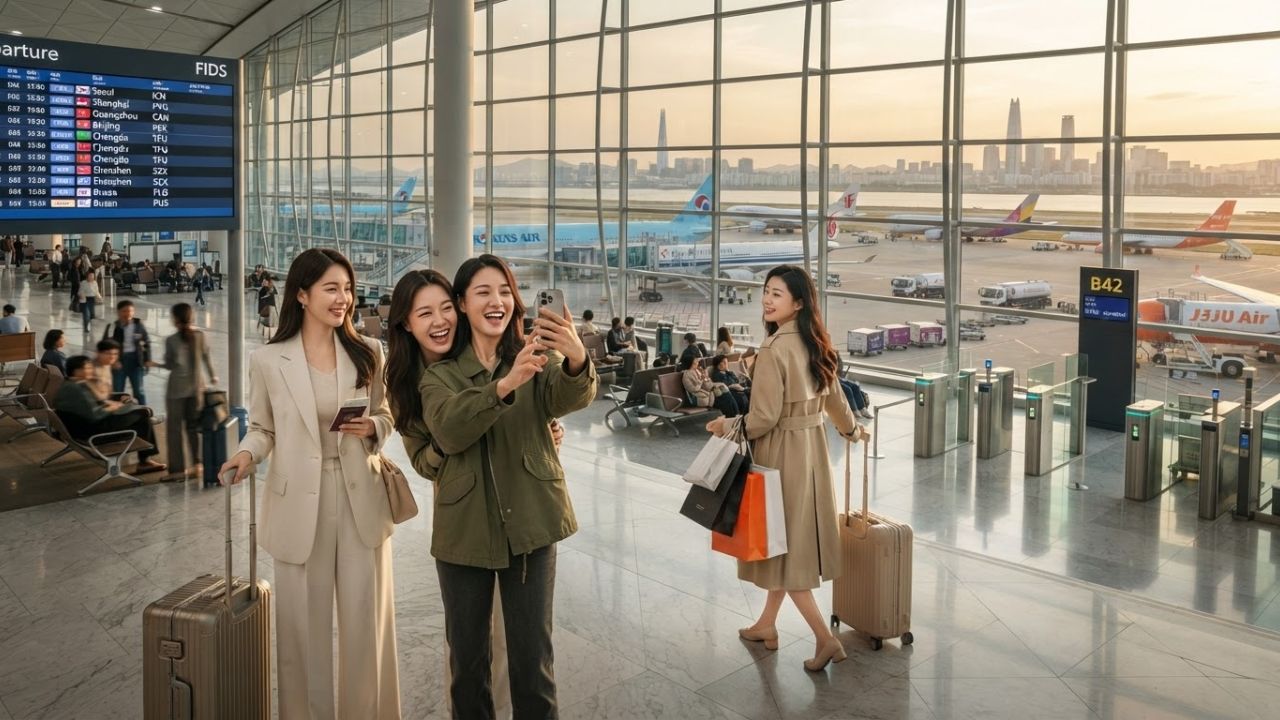
Image generated by AI
South Korea and China have agreed to expand bilateral aviation rights for the first time since 2019, adding seventy weekly flights across passenger and cargo operations. The agreement aims to boost tourism and air connectivity between major hubs and regional airports.
Bilateral Air Service Negotiations in Seoul
Transport authorities from South Korea and China concluded bilateral air talks in Seoul on May 27 and 28, 2026. The resulting agreement marks the first expansion of bilateral air traffic rights between the two countries since 2019. Detailed statements regarding the negotiations can be monitored on the Ministry of Land, Infrastructure and Transport (MOLIT) website.
The new air services agreement increases the weekly flight allocations for both passenger and cargo transport operations. The expansion responds to a strong recovery in travel demand, which reached approximately 4.39 million passengers during the first quarter of 2026. This volume surpassed pre-pandemic levels, reflecting an increase in tourism and business traffic.
Capacity Expansion and Flight Allotments
Under the agreed framework, the bilateral weekly flight rights will expand by 70 services. Weekly passenger flights will grow from 608 to 664, adding 56 weekly frequencies across the regional aviation network. Cargo flights will increase by 14 services, rising from 54 to 68 weekly operations to support cross-border commerce.
Airlines from both nations can now establish new schedules on busy routes to accommodate the passenger volumes. According to regulatory updates from the Civil Aviation Administration of China (CAAC), the expanded capacity will lower travel costs by increasing seating availability. This capacity increase helps carriers optimize fleet utilization across the Yellow Sea.
Connecting Regional Gateways and Chinese Metropolises
The agreement focuses on expanding flights to major metropolitan hubs and secondary regional gateways. Key corridors connecting Seoul Incheon with Shanghai and Guangzhou will see increased flight frequencies. In addition, South Korean regional airports such as Busan and Cheongju will gain direct routes to Chinese cities.
Specific Chinese destinations approved for expanded connectivity include:
- Southern & Eastern Hubs: Shanghai, Guangzhou, Shenzhen, and Kunming.
- Western & Central Hubs: Chengdu, Chongqing, Xi'an, and Urumqi.
- Northeastern Gateways: Harbin, Shenyang, and Yanji.
This regional diversification allows travelers to fly directly to secondary destinations without transiting through capital hubs.
Tourism Recovery and Bilateral Passenger Demand
The expanded air rights are timed to support a recovery in leisure travel and trade between the two countries. South Korea remains a popular destination for Chinese visitors interested in shopping, cultural attractions, and urban entertainment. Similarly, Chinese historic and scenic locations attract significant numbers of South Korean tour groups.
Improved air access is expected to benefit hotel operators, local retail businesses, and regional transport networks. Travelers booking flights through the Incheon International Airport portal will benefit from more flexible departure options and competitive pricing. The increased connectivity also supports multi-destination itineraries across Northeast Asia.
Regulatory Framework and Traffic Rights Allocation
MOLIT plans to allocate the newly acquired weekly traffic rights to domestic South Korean airlines during the second half of 2026. The allocation process will prioritize airlines planning to expand operations from regional airports to reduce congestion at Seoul-area facilities. Carriers must submit formal route proposals to secure these allocations.
The regulatory framework is designed to ensure fair competition among budget carriers and full-service airlines. As weekly capacity rises, operators will adjust pricing structures and scheduling timetables to match passenger patterns. The bilateral expansion reinforces the strategic importance of the South Korea-China aviation corridor.
1: South Korea-China Weekly Flight Rights Comparison
| Flight Category | Previous Weekly Limit | New Weekly Limit | Total Weekly Increase | Operational Impact |
|---|---|---|---|---|
| Passenger Flights | 608 flights | 664 flights | +56 flights | Enhanced passenger options on major and regional corridors |
| Cargo Flights | 54 flights | 68 flights | +14 flights | Strengthened trade and e-commerce supply chains |
| Combined Services | 662 flights | 732 flights | +70 flights | Expanded bilateral transport corridor capacity |
2: Destinations and Regional Airports Included in Agreement
| Country | Major Aviation Hubs | Key Regional Gateways & Cities Included |
|---|---|---|
| South Korea | Seoul Incheon, Seoul Gimpo | Busan Airport, Cheongju Airport |
| China | Shanghai, Guangzhou, Shenzhen | Chengdu, Chongqing, Kunming, Xi'an, Urumqi, Harbin, Shenyang, Yanji |
Key Takeaways
- Bilateral Flight Expansion: South Korea and China have agreed to add 70 weekly flights across passenger and cargo routes, the first expansion since 2019.
- Capacity Upgrades: Passenger flights will increase to 664 weekly services, while cargo operations will expand to 68 weekly flights.
- Regional Airport Integration: The agreement launches new routes connecting regional South Korean airports like Busan and Cheongju with secondary Chinese cities.
- Demand Recovery: The expansion follows a recovery in Q1 2026, when travel volume between the two nations reached 4.39 million passengers.
FAQ
Why are South Korea and China expanding weekly flight rights?
The expansion is driven by a recovery in travel demand, which saw passenger volume reach 4.39 million in the first quarter of 2026, surpassing pre-pandemic levels.
Which regional airports in South Korea will gain new routes?
Busan and Cheongju airports are slated to receive direct route allocations to various Chinese destinations under the new bilateral aviation framework.
When will the new flight rights be allocated to airlines?
South Korea's Ministry of Land, Infrastructure and Transport (MOLIT) plans to allocate the newly secured weekly air traffic rights to domestic carriers in the second half of 2026.
Related Travel Guides
- Perth Airport Unveils Major Terminal One International Retail Upgrade Adding Fourteen Outlets Ahead of Peak Travel Season
- Jeju Air Cuts Flight Schedules Across South Korea Following Deadly Muan Airport Boeing 737-800 Crash and Regulatory Audits
- European Airport Passenger Traffic Surges Three Point Two Percent in May Led by Rapid Slovakian Growth and International Travel Demand
Disclaimer
This article is for informational and educational purposes only. It does not constitute legal, financial, or professional advice. While we strive to provide accurate and up-to-date information, travel policies, regulations, and conditions change rapidly. Always verify information with official sources before making travel decisions. Nomad Lawyer makes no representations about the accuracy, reliability, completeness, or suitability of the information provided. Readers should consult qualified professionals for advice specific to their circumstances. The views expressed in this article are those of the author and do not necessarily reflect the views of Nomad Lawyer.
Kunal K Choudhary
Co-Founder & Contributor
A passionate traveller and tech enthusiast. Kunal contributes to the vision and growth of Nomad Lawyer, bringing fresh perspectives and driving the community forward.
Learn more about our team →