
Kalka-Shimla Heritage Railway: Partial Service Restored Following Landslide
Dharampur-Shimla rail services resume after landslide damage near Parwanoo. Direct Kalka-Shimla trains remain suspended. Check road transfer requirements.

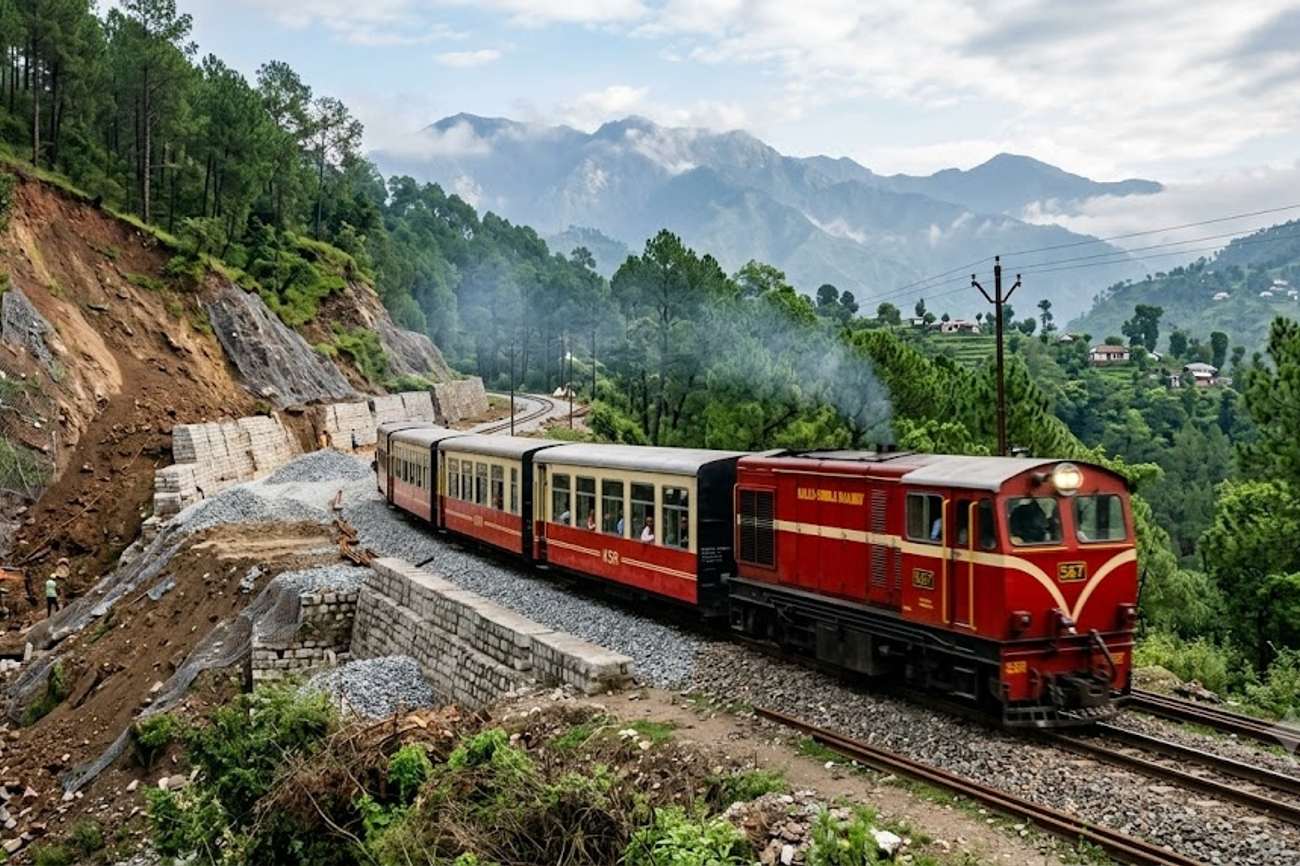
Image generated by AI
The Disruption Details
Heavy torrential rainfall in Himachal Pradesh triggered a landslide near Parwanoo, compromising the structural integrity of the UNESCO World Heritage Kalka-Shimla railway. The landslide washed away critical soil supporting the tracks, rendering the section unsafe for operations.
As of September 8, 2026, railway engineers have cleared the section between Dharampur and Shimla for use. However, the damaged stretch near Parwanoo remains under repair, preventing end-to-end connectivity.
Flight & Airport Impact Breakdown
While this is a rail-based disruption, it impacts the primary transit corridor for tourists arriving via Chandigarh (IXC) and Kalka.
- Suspended Services: 6 passenger train services have been cancelled.
- Closed Section: Kalka to Dharampur (via Parwanoo).
- Operational Section: Dharampur to Shimla.
- Required Transit: Passengers must use road transport (bus or taxi) from Kalka to Dharampur to board the heritage railway.
Passenger Rights & Advisory
For the affected passenger, this disruption changes the fundamental nature of the booking. A ticket purchased for a "Kalka to Shimla" journey no longer provides a seamless rail experience.
Our analysis of the current operating status suggests the following actions:
- Booking Validation: Do not assume a Kalka-origin booking allows for a direct departure. Verify if your ticket has been modified to a Dharampur departure.
- Transfer Logistics: Allow an additional 2–4 hours for the road transfer from Kalka to Dharampur to account for mountain traffic and boarding synchronization.
- Compensation Claims: Under Indian Railways' general guidelines, passengers affected by cancellations due to "Acts of God" (natural disasters/landslides) typically receive a refund of the fare, but are rarely entitled to additional monetary compensation for consequential losses (hotels/tours).
- Luggage Handling: Passengers with heavy luggage or those travelling with children should prioritize pre-booked private taxis for the Kalka-Dharampur leg to avoid congestion at public bus terminals.
Industry Analyst View
The vulnerability of the Kalka-Shimla line underscores a broader systemic risk for mountain infrastructure in the Himalayas. The reliance on colonial-era embankments makes these routes highly susceptible to soil erosion during extreme weather events.
The decision to implement a "split-journey" model (road-to-rail) is a strategic move to maintain tourism flow into Shimla. By keeping the Dharampur-Shimla leg active, the railway preserves the economic viability of local hospitality providers while granting engineers the necessary window to stabilize the Parwanoo slopes without the pressure of full-line operation.
Related Travel Guides
Disclaimer
This article is for informational and educational purposes only. It does not constitute legal, financial, or professional advice. While we strive to provide accurate and up-to-date information, travel policies, regulations, and conditions change rapidly. Always verify information with official sources before making travel decisions. Nomad Lawyer makes no representations about the accuracy, reliability, completeness, or suitability of the information provided. Readers should consult qualified professionals for advice specific to their circumstances. The views expressed in this article are those of the author and do not necessarily reflect the views of Nomad Lawyer.
Kunal K Choudhary
Co-Founder & Contributor
A passionate traveller and tech enthusiast. Kunal contributes to the vision and growth of Nomad Lawyer, bringing fresh perspectives and driving the community forward.
Learn more about our team →