
JR East Launches Tokyo-Tohoku Overnight Sleeper Train in Spring 2027 With Private Cabins and Luxury Sleep-Travel Design
Japan's East Japan Railway Company launches a game-changing overnight sleeper service connecting Tokyo to northern Tohoku in 2027, featuring private cabins and redesigned E657 trains for modern luxury rail travel.

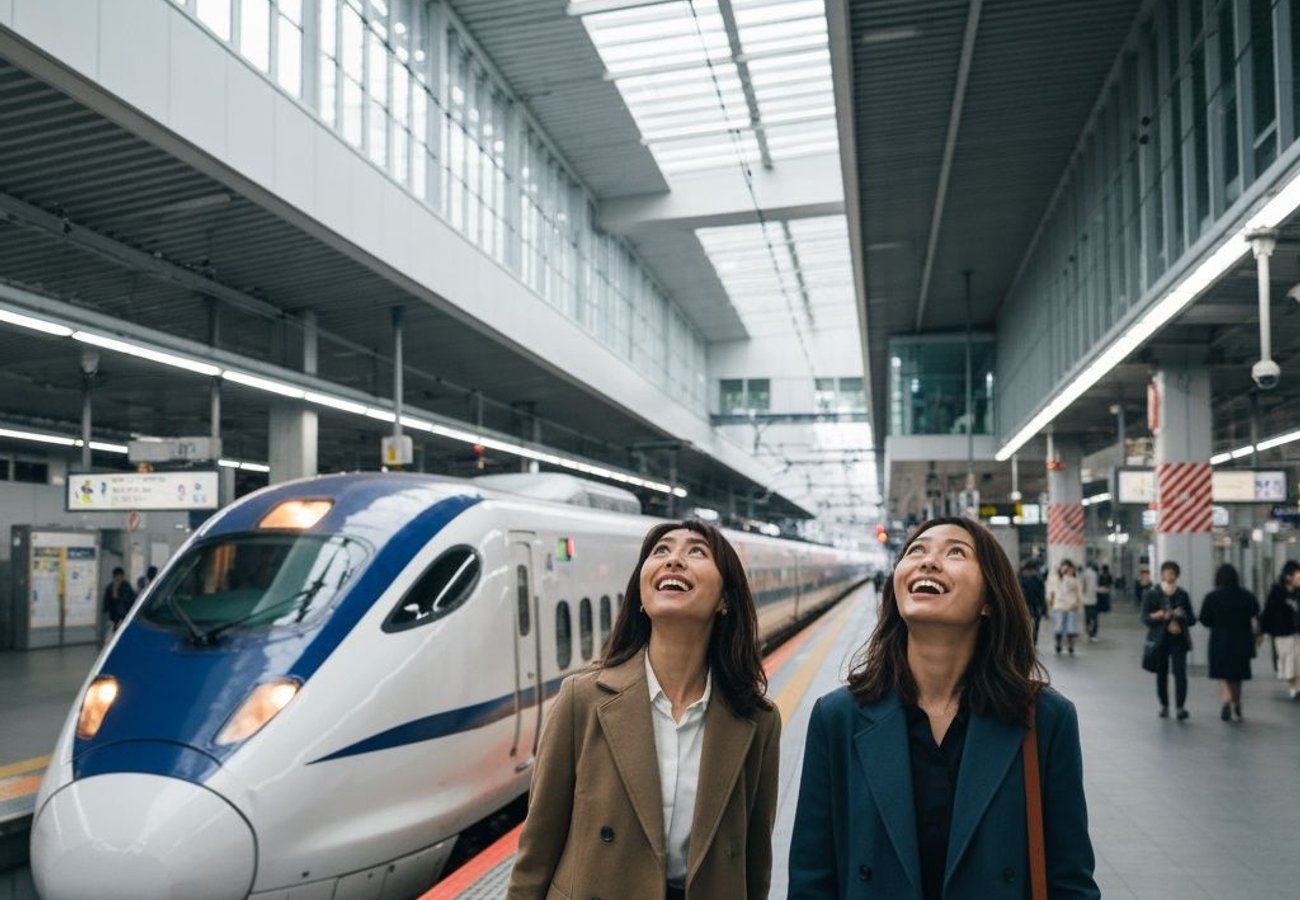
Image generated by AI
The Return of Japan's Night Train Era
East Japan Railway Company (JR East) is about to resurrect one of travel's most romantic experiences. Come spring 2027, a brand-new overnight sleeper service will connect Tokyo with the northern Tohoku region, marking the most significant expansion of Japan's night rail services in decades.
This isn't your grandmother's sleeper train. The new Tokyo-Tohoku overnight sleeper represents a deliberate pivot toward what industry insiders call "sleep-travel"—a hybrid experience where transportation and accommodation merge into a single, seamless overnight journey.
What Makes This Train Different
The redesigned E657 series train won't resemble traditional Japanese rail overnight services. Instead of open seating or cramped shared compartments, passengers will occupy fully private cabins engineered specifically for sleep comfort.
Each cabin is designed as an intimate personal retreat. Solo travelers, couples, and small groups will find flexible cabin arrangements within a single train set. The onboard lounge carriage offers communal space for those wanting to stretch their legs, socialize, or work during the journey.
JR East has emphasized accessibility throughout the design—wheelchair-accessible cabins ensure the service welcomes all passengers. It's a modernist approach to nostalgia, blending contemporary amenities with the charm of classic sleeper rail travel.
Reddit: "Finally, a sleeper train that doesn't feel like sleeping in a train closet. Japanese rail design is always three steps ahead." — r/travel
Tourism Gold for Northern Japan
The Tohoku region—encompassing Aomori, Akita, Iwate, Miyagi, and Yamagata prefectures—stands to become a major beneficiary. These areas are renowned for dramatic natural landscapes, world-class hot springs (onsen), and seasonal attractions that draw domestic and international visitors.
By positioning overnight travel as the destination itself, JR East transforms the journey from mere transportation into an experiential product. Passengers sleep through the night and arrive refreshed in the Tohoku region the following morning—maximizing their time for actual sightseeing.
The service aligns with Japan's growing emphasis on experiential slow travel and regional tourism development outside Tokyo's overcrowded orbit.
The Technical Specifications
The E657 series train is being fundamentally reimagined for overnight operations. The carriage interior strips away standard seating layouts, replacing them with purpose-built private compartments optimized for sleep quality and personal comfort.
Expected capacity sits between 100-120 passengers per journey, prioritizing premium experience over mass transit volume. This is high-margin, low-density rail travel—the opposite of bullet train economics.
The train maintains modern safety features and accessibility standards while deliberately channeling the nostalgic appeal of Japan's legendary pre-bullet-train sleeper services, which once crisscrossed the nation.
When It Launches—And What We Still Don't Know
The service kicks off in spring 2027, with evening departures from Tokyo anticipated to arrive in Tohoku the following morning. However, JR East has kept several critical details under wraps—exact station stops, ticket pricing, and reservation procedures remain unannounced.
The company typically reveals such logistics closer to launch. Industry watchers expect premium pricing reflective of the luxury positioning, though no official tariffs have been published.
Demand indicators suggest strong interest. Japan's tourism sector has witnessed accelerating appetite for unconventional, experience-focused travel formats among both domestic tourists and international visitors seeking alternatives to high-speed rail monotony.
Japan's Broader Night Train Renaissance
This launch doesn't happen in isolation. Japan's existing Sunrise Express remains the nation's only regular overnight sleeper, operating continuously but serving niche demand. The new JR East project signals institutional confidence that the market for overnight rail experiences has expanded significantly.
Recent years have seen global interest in night train travel spike, particularly among younger travelers and experience-seekers fatigued by budget airline culture. Japan's railways—historically focused on daytime high-speed dominance—are finally responding to this shift.
The Tokyo-Tohoku sleeper represents one of the first major expansions of overnight service by Japan's rail network in several decades. If successful, expect additional JR East sleeper routes to follow.
What This Means for Travelers
For nomads and travel lawyers based in or visiting Japan, this service unlocks new possibilities. You can depart Tokyo in the evening, sleep en route, and wake up in northern Tohoku ready for a full day of exploration. No hotel booking required for one night. No airport chaos. No highway fatigue.
The private cabin design particularly benefits solo business travelers, remote workers, and digital nomads seeking quiet, dignified overnight transit options.
The spring 2027 launch window means serious interest should translate into early reservations once ticket sales open. JR East's track record suggests those seats will move quickly.
Japan's sleeper trains are finally returning—and this time, they're building for comfort, not just efficiency.
Related Travel Guides
Disclaimer
This article is for informational and educational purposes only. It does not constitute legal, financial, or professional advice. While we strive to provide accurate and up-to-date information, travel policies, regulations, and conditions change rapidly. Always verify information with official sources before making travel decisions. Nomad Lawyer makes no representations about the accuracy, reliability, completeness, or suitability of the information provided. Readers should consult qualified professionals for advice specific to their circumstances. The views expressed in this article are those of the author and do not necessarily reflect the views of Nomad Lawyer.
Preeti Gunjan
Contributor & Community Manager
A passionate traveller and community builder. Preeti helps grow the Nomad Lawyer community, fostering engagement and bringing the reader experience to life.
Learn more about our team →