
JNTO Sydney Hosts Winter in Japan Trade Webinar for H1 2026
JNTO Sydney will host the Japan 2.0: Winter in Japan webinar on August 12, 2026, targeting travel advisors in Australia and New Zealand.
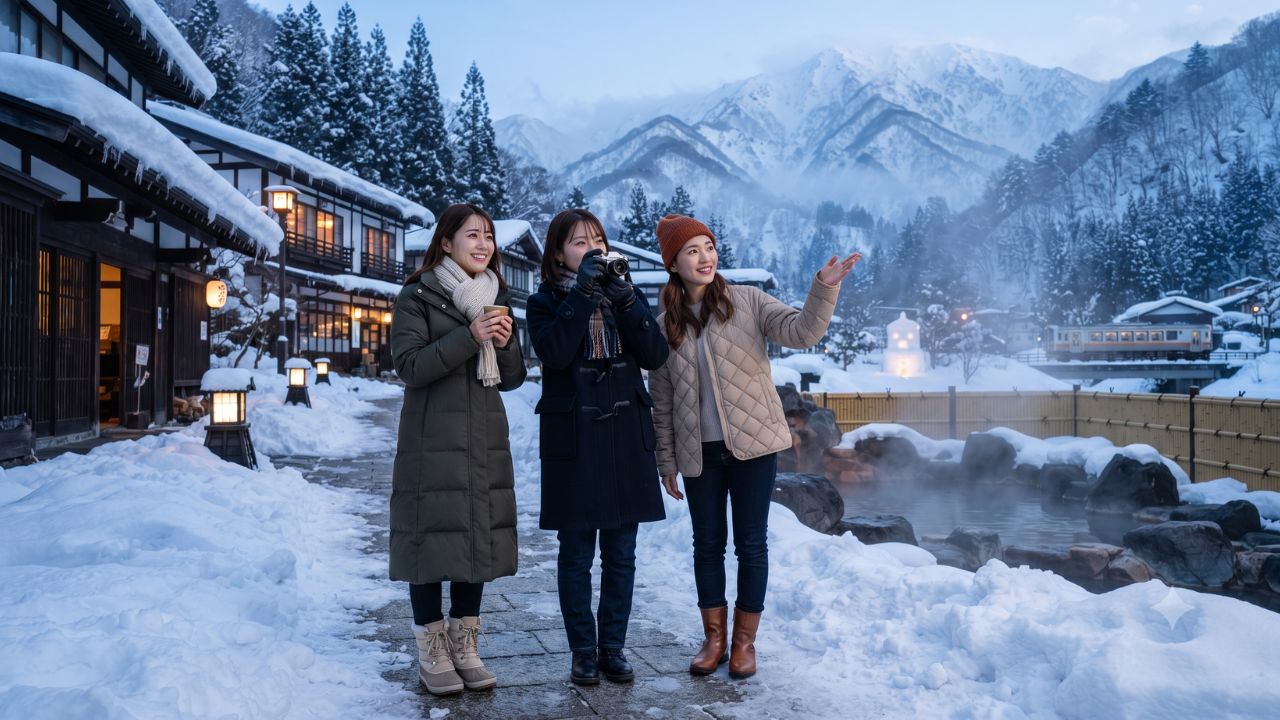
Image generated by AI
Targeting travel advisors in Australia and New Zealand, the Japan National Tourism Organization will host a specialized winter travel webinar on August 12, 2026, to expand itineraries beyond traditional ski packages.
The Core Transit Update
Seasonal passenger dispersal and regional travel infrastructure are under focus in Japan's tourism campaign. Hosted by JNTO Sydney, the upcoming "Japan 2.0: Winter in Japan" webinar will provide travel trade professionals in Oceania with a 45-minute presentation and a 15-minute live Q&A.
This campaign follows a record-breaking period for Japanese tourism. In 2025, Japan welcomed 42.68 million international arrivals, including an all-time high of 1,058,300 Australian visitors. Correspondingly, foreign guest nights reached 177.87 million, with overall inbound tourism spending hitting a record ¥9.46 trillion.
Inbound Tourism Statistics & Winter Destinations
Coordinating winter itineraries to Japan requires tracking key tourism performance indicators alongside regional seasonal offerings. The following tables outline the latest JNTO figures and winter travel products.
| Japan Tourism Indicator | Latest Available Record (2025-2026) | Year-on-Year Growth Rate | Strategic Tourism Significance |
|---|---|---|---|
| International Visitors (2025) | 42,683,600 arrivals | +15.8% increase vs 2024 | All-time high annual record |
| Inbound Tourism Spending (2025) | ¥9.4559 trillion | +16.4% increase vs 2024 | Record economic contribution |
| Australian Visitors (2025) | 1,058,300 arrivals | All-time high milestone | Primary long-haul trade target |
| Foreign Guest Nights (2025) | 177.87 million nights | +8.2% increase vs 2024 | Expanded regional hotel demand |
| April 2026 Arrivals | 3,692,200 arrivals | Strongest month in 2026 | Cherry blossom seasonal peak |
| May 2026 Arrivals | 3,559,900 arrivals | Slight contraction | Substantial seasonal demand |
Japan inbound tourism and guest night statistics (JNTO and Japan Tourism Agency).
| Winter Tourism Segment | Target Passenger Market | Exemplary Regional Destinations | Key Access / Route Specification |
|---|---|---|---|
| Skiing & Snowboarding | Adventure & active sports | Hokkaido (Niseko), Nagano, Niigata | Joetsu / Hokuriku Shinkansen |
| Onsen (Hot Spring) Stays | Wellness & leisure travelers | Gunma, Yamagata (Zao), Nagano | Local mountain bus transfers |
| Snow Festivals | Families & cultural tourists | Sapporo (Hokkaido), Tokamachi (Niigata) | JR Hokkaido / Joetsu rail lines |
| Historic Winter Villages | Repeat visitors & heritage | Fukushima (Ouchi-juku), Shirakawa-go | Aizu Railway / Nohi bus routes |
Japan winter tourism products and regional distribution.
Traveler Logistics Guide
From a ground-level perspective, the best way to navigate this is to structure winter travel itineraries around Shinkansen rail corridors, as heavy snowfall in northern and alpine regions can lead to highway closures and flight cancellations, making Japan's high-speed rail network the most reliable transit option. Checking weather forecasts is recommended.
To plan your winter travel itinerary:
- Hokkaido peak season: The Sapporo Snow Festival attracts over 2 million visitors annually. Book hotel accommodations and domestic flights to Sapporo (New Chitose Airport) at least 6 months in advance.
- Tohoku winter exploration: Take the Joetsu Shinkansen from Tokyo to Niigata to attend the Tokamachi Snow Festival, or utilize the Yamagata Shinkansen to reach the "snow monsters" at Zao Onsen.
- Observe New Year closures: Many local businesses, restaurants, and historical attractions close between December 29 and January 3. Confirm all opening hours before finalizing transit schedules.
- Winter driving warnings: Renting a car in snow country (Yukiguni) requires winter tires and snow driving experience. Rely on local trains and ski resort shuttles for safer transit.
Infrastructure Impact Assessment
The development of regional winter itineraries supports Japan’s national strategy to decentralize visitor traffic away from crowded urban centers like Tokyo and Kyoto.
By distributing Australian and New Zealand visitors to Tohoku, Fukushima, and Hokuriku, regional transport boards and hospitality operators capture a larger share of the ¥9.46 trillion inbound tourist spend, supporting regional economies during off-peak seasons.
Related Travel Guides
Micro-Retirement Travel Trend Grows Among Global Professionals
Shravani Mela 2026 Deoghar Travel Tips and Logistics Guide
10 Best Travel Tips for Planning a Winter Holiday in Japan, According to Reddit
Disclaimer
This article is for informational and educational purposes only. It does not constitute legal, financial, or professional advice. While we strive to provide accurate and up-to-date information, travel policies, regulations, and conditions change rapidly. Always verify information with official sources before making travel decisions. Nomad Lawyer makes no representations about the accuracy, reliability, completeness, or suitability of the information provided. Readers should consult qualified professionals for advice specific to their circumstances. The views expressed in this article are those of the author and do not necessarily reflect the views of Nomad Lawyer.