
Japan's Cinema Infrastructure Gains Popularity Among International Tourists
With Japan hosting 21 million visitors in H1 2026, modern cinema experiences and the solo-katsu culture are offering unique, affordable indoor escapes.
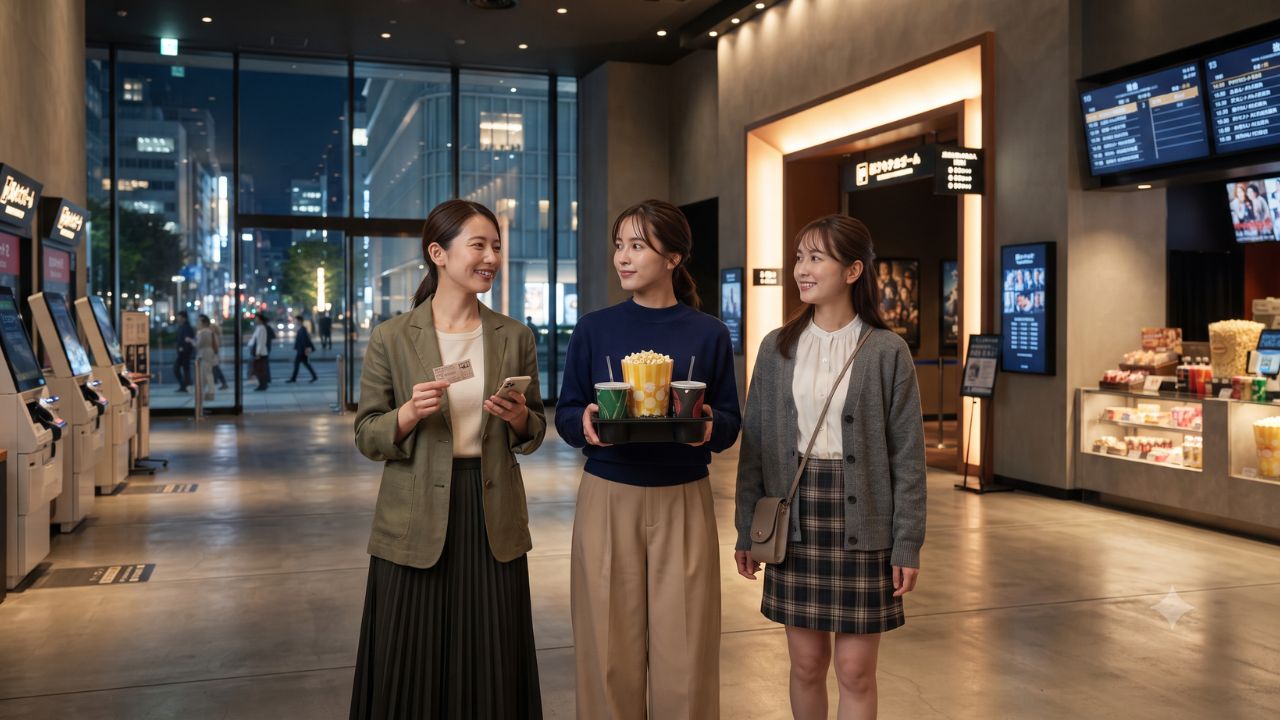
Image generated by AI
With international arrivals reaching 21,084,800 in the first half of 2026, modern cinema multiplexes and the rising solo-katsu leisure culture are offering travelers unique, affordable indoor activities.
The Core Transit Update
Everyday entertainment networks and domestic leisure services are becoming an integral part of the visitor experience in Japan. Managing unprecedented crowds—which hit a record 42,683,600 international arrivals in 2025 alongside a domestic travel spend of ¥26.7845 trillion—encourages travelers to seek indoor alternatives during hot summer months or rainy seasons.
Cinemas operated by chains like TOHO Cinemas (running over 70 theaters nationwide) offer premium formats, including IMAX, ScreenX, Dolby Cinema, Dolby Atmos, and 4D. For independent travelers, the integration of theater complexes with central rail terminals makes a movie excursion a logical itinerary buffer.
Outbound Performance & Cinema Language Classifications
Coordinating a leisure visit to regional entertainment hubs requires tracking national visitor statistics alongside local ticket notations. The following tables outline Japan's travel indicators, cinema language types, and independent travel (solo-katsu) options.
| Japan Tourism indicator | Latest Official Record (2025-2026) | Year-on-Year Change / Status | Core Strategic Significance |
|---|---|---|---|
| International Visitors (2025) | 42,683,600 arrivals | +5.8 million arrivals YoY | All-time high annual record |
| First Half Visitors (Jan–Jun 2026) | 21,084,800 arrivals | Strong H1 performance | Continued long-haul demand |
| Domestic Leisure Spending (2025) | ¥26.7845 trillion | +6.5% increase vs 2024 | Stable entertainment economy |
Japan international arrivals and domestic travel spending (JNTO & Japan Tourism Agency).
| Screening Type / Notation | Audio Soundtrack Language | Subtitle Language Profile | Recommended Passenger Audience |
|---|---|---|---|
| Subtitled Foreign Film (Sub) | Original English audio | Japanese subtitles on screen | International travelers |
| Dubbed Foreign Film (Dub) | Japanese voice track | No subtitles | Native speakers / families |
| Japanese Local Film | Japanese audio | Usually no subtitles | Advanced language learners |
| Subtitled Japanese Film | Japanese audio | English subtitles (selected runs) | Specialized film enthusiasts |
Japanese cinema screening language classifications.
| Solo-Katsu Activity | Tactical Access Advantage | Primary Service Operator | Travel Planning Advice |
|---|---|---|---|
| Cinema Screening | Single booth dividers & seats | TOHO Cinemas (70+ locations) | Ideal rainy-day / hot summer buffer |
| Theme Park Rides | Single-rider queues available | Universal Studios / Disney | Bypass standard lines on major rides |
| Artisanal Dining | Individual counter booths | Regional ramen & sushi outlets | Minimal conversational requirement |
Solo-katsu independent traveler options in Japan.
Traveler Logistics Guide
From a ground-level perspective, the best way to navigate this is to check the official theater schedule online before purchasing your ticket at the lobby kiosks, as foreign-language releases in Japan are split between subtitled (labeled "Sub" or 字幕) and dubbed (labeled "Dub" or 吹替) formats. Selecting the subtitled version ensures you hear the original English audio track. Checking regional release dates is recommended.
To plan your cinema visit and leisure activities:
- Verify Release Schedules: International theatrical releases do not always align. For example, Toy Story 5 is scheduled for a Japanese release on July 3, 2026. Check the distributor’s website to avoid plot spoilers.
- Observe Cinema Concession Pricing: Concession costs are highly competitive compared to Western markets, with a regular popcorn, beverage, and churro combo priced around ¥1,400 (~US$8.50).
- Leverage Single-Rider Queues: Under the solo-katsu umbrella, parks like Universal Studios Japan offer single-rider lanes on rides such as Mario Kart: Koopa’s Challenge and Harry Potter and the Forbidden Journey to reduce wait times.
- Integrated Terminal Access: Choose cinemas housed in shopping complexes situated above major rail stations, such as Tachikawa or Shibuya, allowing you to combine a film with dining and retail transit.
Infrastructure Impact Assessment
The diversification of visitor itineraries into neighborhood cinema complexes and suburban entertainment districts helps decentralize tourist foot traffic away from congested historical landmarks.
By utilizing existing urban transit links and local leisure complexes, municipal planning boards support regional businesses while introducing international visitors to authentic aspects of contemporary Japanese lifestyle.
Related Travel Guides
Croatia Luxury Tourism Shift Drives Record Q1 Revenue in 2026
Shravani Mela 2026 Deoghar Travel Tips and Logistics Guide
10 Best Travel Tips for Experiencing Cinemas and Solo-Katsu in Tokyo, According to Reddit
Disclaimer
This article is for informational and educational purposes only. It does not constitute legal, financial, or professional advice. While we strive to provide accurate and up-to-date information, travel policies, regulations, and conditions change rapidly. Always verify information with official sources before making travel decisions. Nomad Lawyer makes no representations about the accuracy, reliability, completeness, or suitability of the information provided. Readers should consult qualified professionals for advice specific to their circumstances. The views expressed in this article are those of the author and do not necessarily reflect the views of Nomad Lawyer.